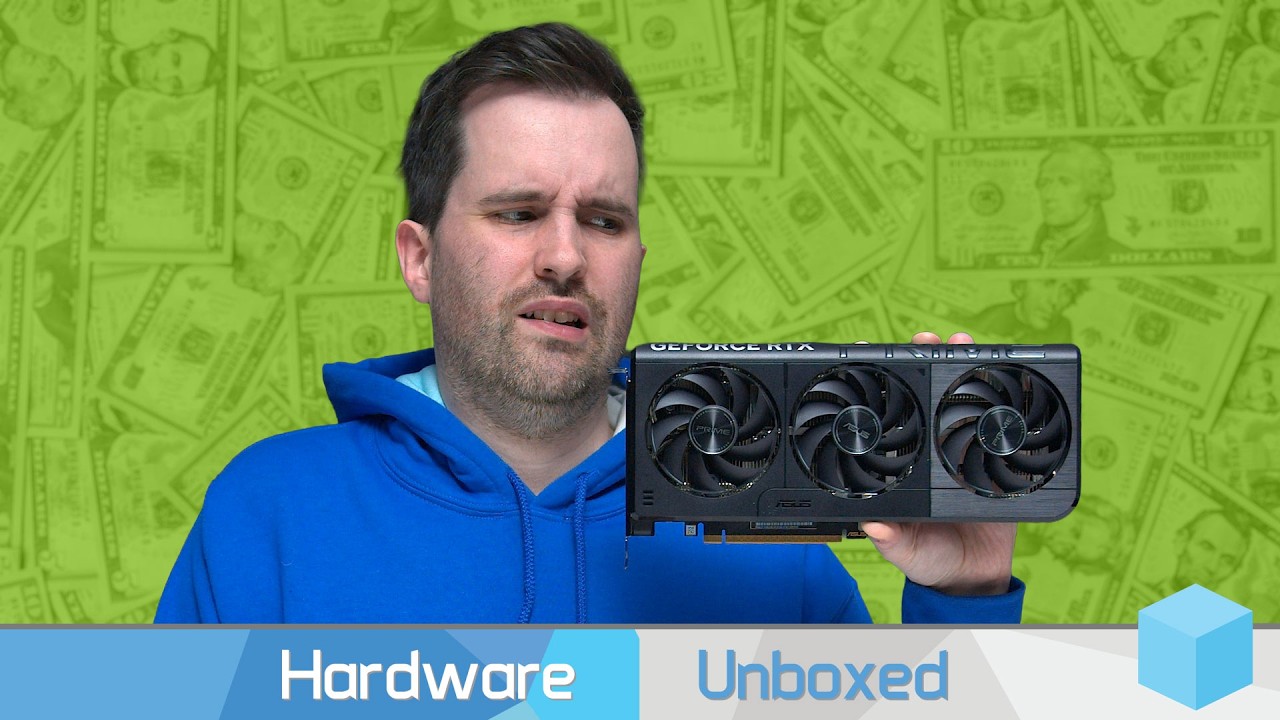
The video provides an in-depth analysis of the current state of graphics card prices amid an ongoing memory crisis, using data from ten countries to offer a global perspective. It compares GPU prices from November 2025, when prices were at their lowest, through April 2026, and the latest data from July 2026. Despite the rising costs of components and memory, the overall increase in GPU prices has been relatively moderate, with an average inflation of about 16% above the true MSRP across regions. However, this figure drops to 10% if the extremely overpriced RTX 5090 is excluded, indicating that while prices have risen, the impact varies significantly across models and regions.
Entry-level Nvidia GPUs like the RTX 5050 have seen little price change since April, except in Canada and the Philippines where prices spiked by over 10%. The RTX 5060 and 5060 Ti models have actually become slightly cheaper on average, with some regions offering prices close to or below MSRP, making them more attractive options in the sub-$400 market. Conversely, Nvidia’s 16 GB VRAM models, such as the 560 Ti 16 GB and 570 Ti, have experienced notable price increases, especially in the US, where these cards can be 20-30% above MSRP, reflecting the higher costs associated with increased memory prices.
AMD’s Radeon lineup presents a mixed picture. The RX 960 XT models have increased in price by about 5%, with the 16 GB variant sitting roughly 18% above MSRP, aligning with Nvidia’s 16 GB cards’ inflation. However, AMD’s higher-end RX 9070 and 9070 XT models have maintained relatively stable pricing, hovering just a few percent above MSRP, making them some of the best value options currently available. The newly launched RX 970 GRE, despite its lower MSRP, is not a compelling purchase as it offers less performance and VRAM compared to the RX 9070 at similar prices.
Intel’s Arc Battle Mage series is becoming increasingly scarce, with prices rising by about 5%, and the B580 model now priced similarly to the RTX 5060 despite being intended as a cheaper alternative. Regionally, Canada, the US, and the UK face the steepest price inflations, while parts of continental Europe show more reasonable pricing, and Australia uniquely offers some GPUs below the true MSRP. Overall, GPU prices have stabilized somewhat after earlier spikes, but the high cost of memory components and rumors of further price hikes for AIB bundles suggest that prices may rise again soon.
The video concludes with advice for consumers: while GPU prices are unlikely to drop significantly in the near future, those who urgently need a new graphics card should consider buying soon before further price increases hit the market. However, for most users with adequate existing hardware, it is recommended to wait for the next generation of GPUs. The presenter emphasizes ongoing monitoring of the market and hopes for potential sales later in the year but remains cautious about significant price relief given current economic pressures on GPU manufacturing and supply chains.