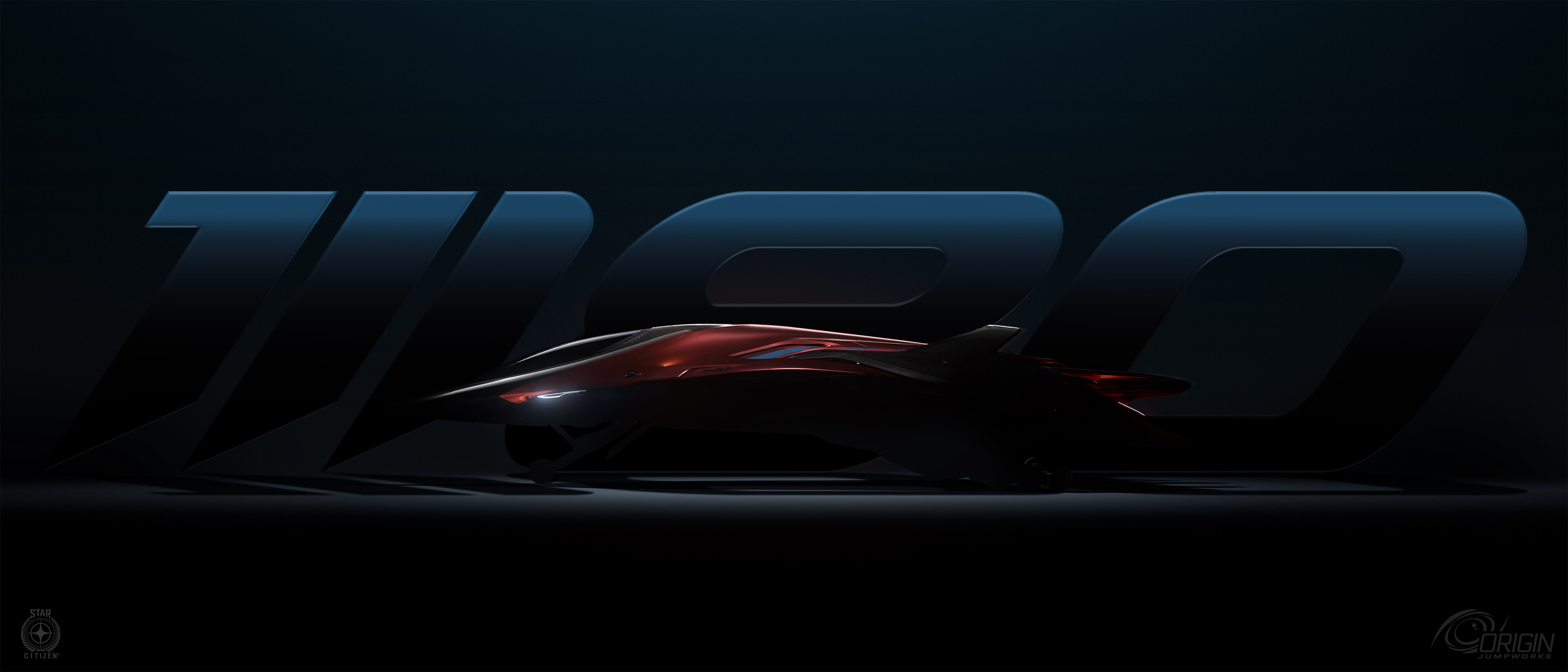
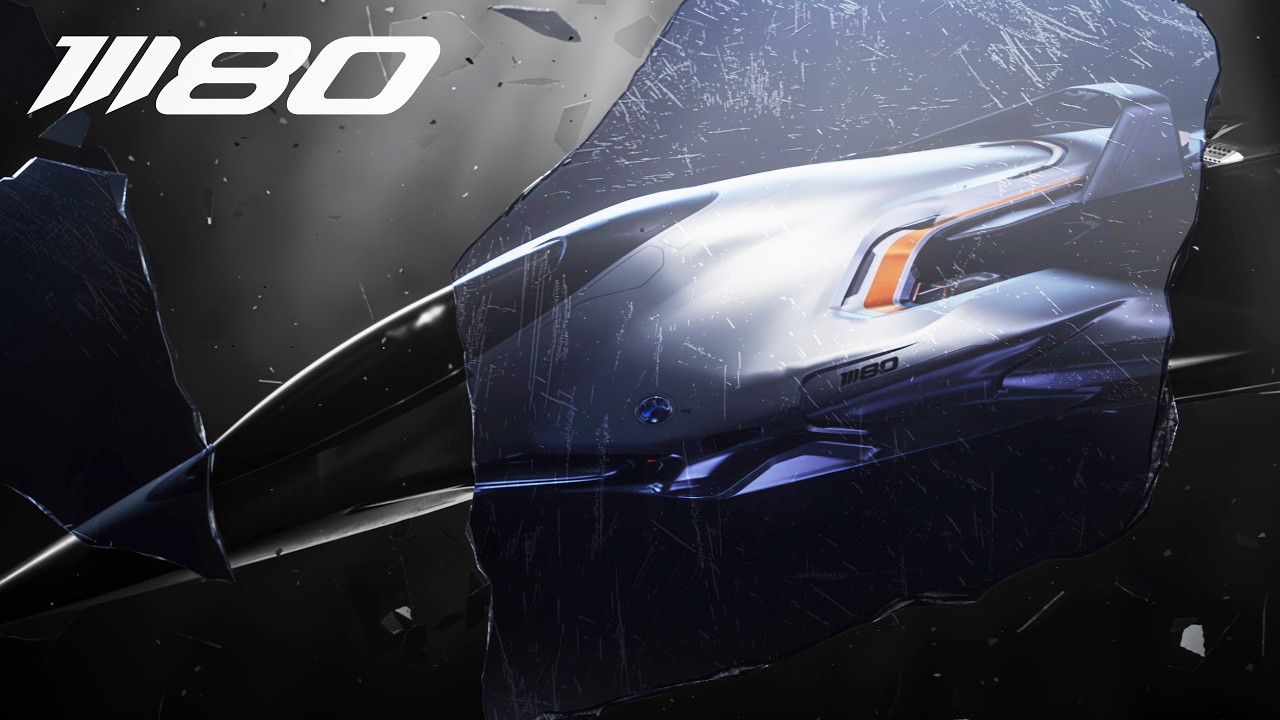
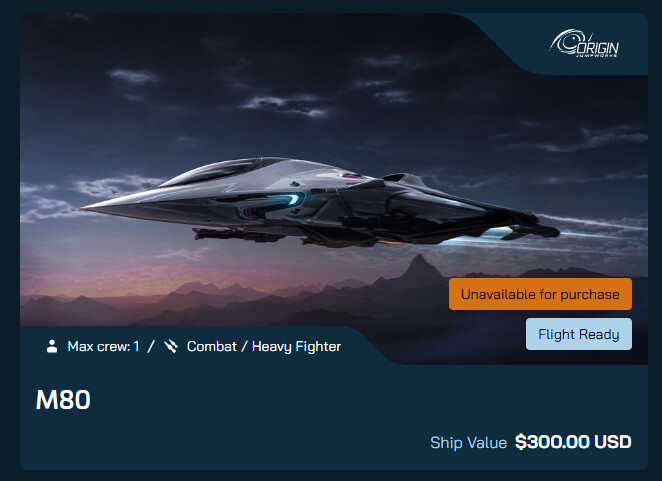
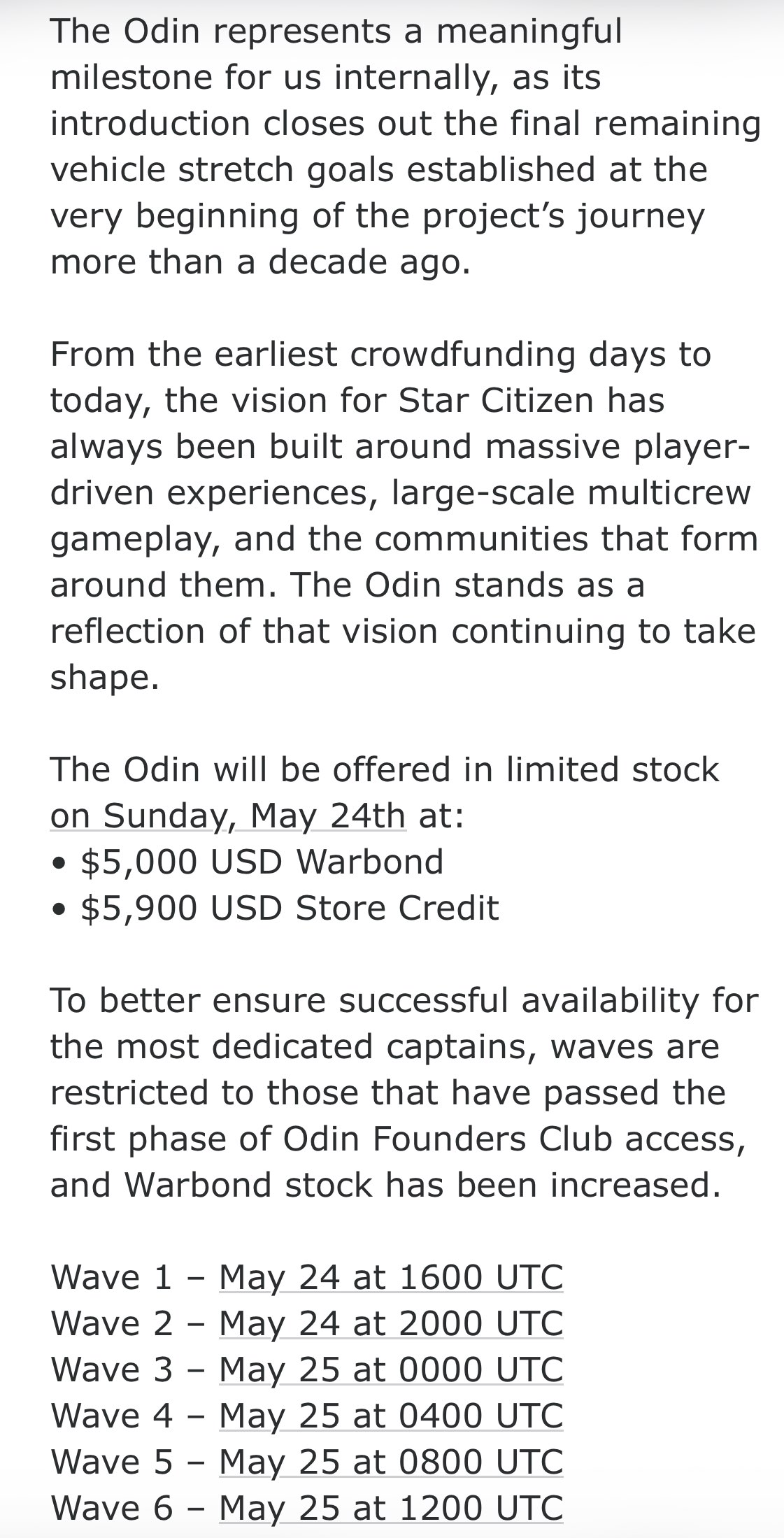
Stella Fortuna 2026 Sale 
Pledge store:
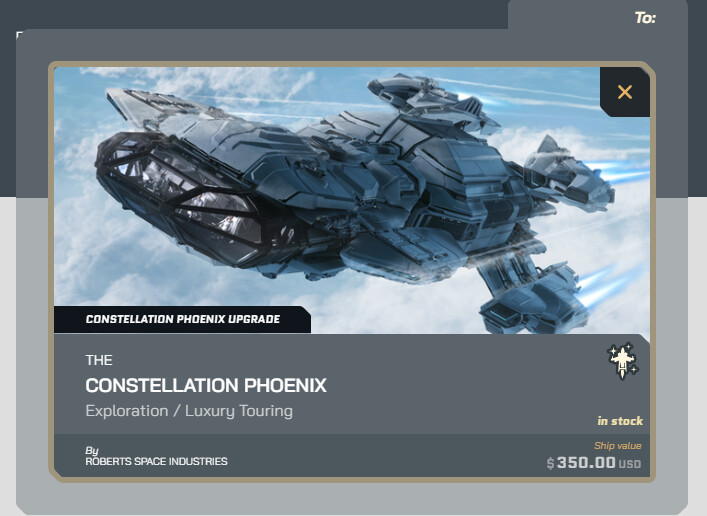
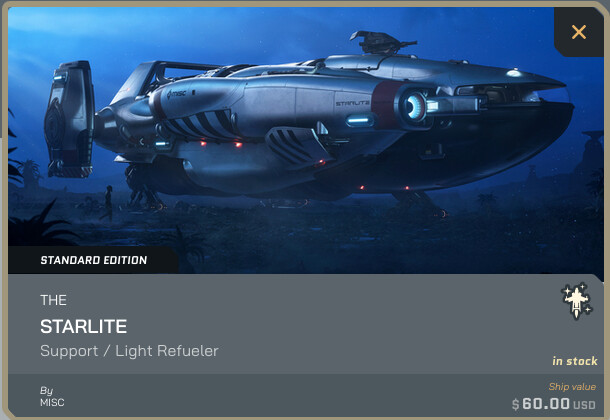
- Each limited-time set includes a race-ready ship, themed ship paint and racing suit, with select sets also featuring a matching weapon. Available as Warbond only, these racing sets cannot be obtained with store credit.
- Racing Gear and Racing Paints
- Limited Fortuna Gear Pack
Alpha 4.7 - Patch Watch | System… Check!
Hello everyone,
Welcome to another Patch Watch! These posts shine a light on upcoming features, improvements, and fixes that may not appear on the Public Roadmap but are updates we believe you will find valuable. You can also read the recent PTU Patch Notes for Alpha 4.7.
This time, we are focusing on several gameplay and balance updates coming to Alpha 4.7. From engineering tweaks to radar behavior, armor & shield balance, salvage variety, and missile balance, these changes aim to improve combat readability, ship survivability, and overall gameplay consistency.
Let’s dive in!
Engineering Gameplay Updates
Alpha 4.7 brings a new round of balancing to shields and armor, aimed at improving combat pacing and ship durability.
Shield Balance Update
These changes should make shield combat feel more consistent while reinforcing the intended strengths of energy-based loadouts when targeting shielded opponents.
- Increased overall shield health across ships
- Reduced the gap between shield variants to make their performance differences less extreme
- Energy weapons will now deal increased damage to shields
Armor Balance Update
This creates a clearer combat progression where heavier weapons or sustained damage are required to break through strong armor before lighter weapons can become effective.
- We are introducing minimum damage requirements for armor
- When armor is at full health, certain smaller projectiles will no longer damage the armor, ship hull, or internal components
- Once armor has been weakened and reaches a lower health state, smaller caliber weapons will begin to penetrate and deal damage
- On top of these, armor will get a general balance pass to take these new changes into account.
For example, a Perseus has heavy armor, so a small ship weapon won’t be able to penetrate it or deal damage. However, once the armor has been weakened, a small ship weapon could then be able to affect the ship. You’ll need bigger guns to crack that tough shell first.
Life Support Adjustments
Life Support systems are receiving tuning to better reflect the effort required to maintain ship atmospheres.
- Increased Life Support cost to maintain the atmosphere
- Reduced the exchange rate between Life Support systems and rooms
- Reduced exchange rates between connected rooms
- Life Support generators will now also take longer to refill rooms and perform heat exchange
In practice, this means atmosphere management becomes slightly more deliberate, especially on larger ships where room-to-room air exchange plays a bigger role.
Radar and Detection Changes
The type of installed radar and the amount of assigned power now have a direct effect on the range at which aim assists and ESP come into effect. This is reflected by the lack of PIPs outside the effective range and by appropriate UI elements during precision targeting.
Power and Aim Assist
Assigned power now directly affects aim assist range; this applies to both weapon aim assist and ESP. For example, assigning 2 points to your S1 Radar would set aim assist at 910 meters, while assigning 5 points would increase it to 1,105 meters.
This range is reflected on your HUD by the distance at which target pips appear, and it changes based on both the radar installed on your ship and the amount of power assigned to it.
- Radars now require more sustained power to operate
- Activation power requirements remain similar or slightly lower
Weapon aim assist and ESP are available when a target is within your effective assist range. Increasing power to your radar extends that range, while reducing power shortens it. This adds another layer to power management decisions during combat.
Precision Targeting
Precision targeting is also affected by radar power and assist range.
- Subtargets are now visible during precision targeting when you are within a meaningful assist range
- Stronger radar power helps maintain that range, making precision targeting more reliable during combat
Cross-Section Detection
- Cross-section signatures are no longer passively detected
- They are now only detected through active pinging with your scanner
This change opens the door for fully stealth-focused builds.
New Radar Items
- New radar components have been created and are planned to become available through in-game shops, missions, and potentially crafting
- The manufacturers Basilisk, CHCO, Garuda/Gorenberg, Navegante, and Wilon offer new ship radars
Cave Scanning Reliability
The cave scanning setup has been reworked to make cave locations more reliable when scanning planets from your ship.
This should make it easier to locate caves for exploration, missions, or resource hunting without relying on inconsistent scan results.
Salvage Contract Improvements
The salvage contract pool has been expanded to include additional ships.
Many of these ships are now Gold Standard and feature physicalized components, which means salvagers will encounter a wider range of recoverable materials and parts.
What this means for you:
- Greater variety in salvage targets
- More meaningful component recovery opportunities
- More dynamic salvage runs instead of repeatedly encountering the same ships
Missile Balance and Ship Access Points
A balance pass has been made for missiles and ship access points such as doors, ramps, and lifts.
Missile Changes
Missile explosions will no longer damage internal components inside a ship.
Previously, anything within the explosion radius could take damage, including modules and internal systems located inside the hull. Because of this, explosion radii had to remain very small to prevent ships from being destroyed by a single hit.
With internal damage removed, missiles can now be balanced more naturally around their explosion radius.
The new balance gives players a clearer choice in how they want their missiles to behave:
- Direct: higher damage with a smaller explosion radius
- Area: lower damage with a larger explosion radius
Damage values are also being adjusted, but overall balance should remain familiar. Specific values will shift slightly along the existing curve.
These adjustments also apply to ground vehicles.
Doors, Ramps, and Lifts
Because missile explosion radii are changing, we also reviewed the durability of ship access points.
Many doors, ramps, and lifts currently have very low health values and were never properly tuned. Without adjustments, the new missile explosions could blow open a ship with a single hit, which would look odd and break immersion.
To address this, we are increasing their health to better match overall ship durability.
This should result in more believable damage behavior while still allowing access points to be destroyed under sustained fire.
Operation Breaker Stations
The upcoming Operation Breaker Stations will feature two gameplay modes:
ared Rights
- Multiple groups can accept the same mission
- PvP encounters are possible
- Up to five parties can participate
Exclusive Rights
- PvE only
- Missions are reserved for a single party
- Higher entry cost to access the location
Later in mid/late-April, a sandbox version will arrive as part of Nyx Missions Pack 2, offering additional missions around the area.
New Weapons Coming
The team plans to release several new FPS weapons this year, including:
- Crossbow
- Lever-action rifle
- Medgun pistol
- New grenade types
- Additional weapons inspired by real world designs adapted to Star Citizen
Weapon Wear and Tear
Weapon durability is already implemented in Squadron 42, where firearms can:
- Overheat
- Malfunction
- Break down
This system will eventually come to the Persistent Universe.
More Environmental Traversal
The team is expanding player movement and traversal.
Planned improvements include:
- More climbable surfaces and objects, such as containers for example as an heavily requested change
- Swimming, already implemented in Squadron 42 and planned for the PU later
Squadron 42 FPS Improvements coming to Star Citizen
Squadron 42 has received a major level of polish for FPS gameplay, including:
- Smoother weapon switching
- Better stance transitions
- Improved sprint behavior
- Completely new weapon audio
- General responsiveness improvements
These improvements will gradually be brought into Star Citizen.
Boomtube
The Boomtube launcher currently deals a lot of damage, and balance adjustments such as arming distance and damage tuning are being evaluated. It also currently deals too much damage due to how its spread affects player hitboxes (hitting every members of a body).
Downed State Changes
Players will eventually be able to use a MedPen while downed, allowing them to revive themselves.
Downed players will also be able to crawl while incapacitated.
Super-Heavy Armor
Beyond heavy armor, the team is exploring super-heavy armor sets.
These will provide extreme durability and power but come with major limitations such as:
- Very slow movement
- Restricted weapon choices
- Heavy reliance on teammates
- Reduced self-healing capability
Server Desync
A dedicated discussion with Benoit Beauséjour is planned to address the recent servers desync topic in more detail soon.
Combat Armor Types
Within combat armor, there will be several different roles.
Assault Armor
This is the largest category of combat armor currently in the game. Assault armor is designed for frontline combat.
Key characteristics include:
- Strong damage absorption
- Integrated combat crosshair through the helmet
- Good radar capability
- No EVA capability
This armor is meant for players who expect direct combat and need maximum protection.
Stealth Armor
Stealth armor focuses on minimizing detection.
Benefits include:
- Reduced emissions
- Lower sound signature
- Better stealth gameplay potential
This armor is intended for infiltration, reconnaissance, and silent operations.
Hunter Armor
Hunter armor focuses on scanning and tracking.
It includes:
- Advanced scanning capabilities
- EVA support
- Reduced damage mitigation compared to assault armor
This armor is ideal for tracking targets or locating points of interest.
Specialist Armors
Beyond combat-focused sets, the team is developing several specialist armors tied directly to gameplay professions.
Medical Armor
Medical armor allows players to scan people nearby and immediately see their health status and medical information. This will give medics better situational awareness during rescue or combat medical situations.
Engineer Armor
Engineer armor will allow players to view component health and engineering information, helping them identify damaged systems and perform repairs more efficiently.
Resource Specialist Armor
Resource-focused players such as miners and salvagers will benefit from armor that improves resource scanning.
These suits will allow players to:
- Detect resources more easily
- Send scanning pings
- Gather detailed information about nearby rocks and mining opportunities
Explorer Armor
Explorer armor is designed as a versatile option.
It will offer:
- Good environmental resistance
- Resource scanning capability
- Combat crosshair
- Broad scanning tools
This armor acts as a jack-of-all-trades, suitable for players exploring unknown areas.
Additional specialist suits are also planned for specific environmental conditions such as:
- EVA-focused suits
- Extreme heat environments
- Extreme cold environments
- Radiation protection
Super-Heavy Armor
Beyond traditional heavy armor, the team also plans to introduce super-heavy armor in the future.
These suits will offer extremely high durability and strength but will come with major limitations such as reduced mobility and strict weapon restrictions.
They are intended for situations where a heavily supported frontline role is required.
Current Development Status
The armor specialization system is roughly 90% complete from a design standpoint.
The team is currently finalizing the last details and moving toward the sign-off phase. Once that is completed, the work will move to engineering for implementation into the game.
Recap of Star Citizen Live: FPS Combat and Gameplay Q&A
This week on Star Citizen Live, we sat down with Luke Pressley (Senior Principal Systems Designer), Samuel Baus (Lead Level Designer), and Zac Preece (Senior Systems Designer) to talk about the future of FPS combat and gameplay in Star Citizen.
Apex Valakkar
The Apex Valakkar is actively being worked on by the dedicated Creatures team. It was close to release previously, but we decided to keep iterating to ensure the encounter feels right. The goal is to deliver a memorable fight that mixes air combat, ground combat, and cooperative gameplay.
Medgun Balance
We recognize that the Medgun is currently very powerful. Balance changes will come over time, especially once crafting systems arrive and allow more systemic adjustments. Medic gameplay has already received several improvements recently, and more are planned in the future, especially with the armors specializations we’ll talk about further down.
Better PvEvP Locations
Earlier PvEvP locations were created by a much smaller team. Today the FPS content team has grown significantly, with six additional level designers joining in the last year.
Players will start seeing the impact of this in Operation Breaker Stations, coming in Alpha 4.7.
New FPS Gadgets
Several new tools for combat are currently in development, including:
- Breaching charges
- Deployable shields
- Area-of-denial grenades
- Additional gadgets planned for future updates
StarWear and Armor Customization
The team is actively working on the StarWear system to allow players to mix clothing and armor pieces more freely.
We also want to introduce combat clothing, a bit like John Wick for example. These will not be bulletproof but will offer limited damage mitigation while allowing more flexibility.
Some locations may also restrict armor usage, encouraging players to adapt their loadout instead of wearing full armor everywhere.
Armor Weight, Sound, and Movement
Armor types will increasingly affect how you move and fight.
Planned improvements include:
- Heavier armor, featuring muffled sounds when you wear a heavy helmet for example
- Movement audio becoming important for stealth
- Heavy weapons slowing players down
- Armor weight impacting overall mobility
Many of these improvements already exist in Squadron 42 and will make their way to Star Citizen later.
Armor Specializations
Armor specialization is one of the major changes coming to FPS gameplay. The goal is to move away from the current situation where heavy armor is the default best option for most gameplay.
Instead, armor will be designed around specific roles and gameplay styles, giving players clear reasons to change their loadout depending on what they are about to do.
Each armor set will provide unique perks tied to its intended gameplay, and wearing multiple pieces from the same set will increase the effectiveness of those perks. This creates a progression within a set and encourages players to fully commit to a role rather than simply stacking the heaviest protection available.
The broader system will include multiple armor categories:
- Clothing
- Flight suits
- Light armor
- Medium armor
- Heavy armor
- Specialist armor sets
- Super-heavy armor (planned for the future)
The idea is to make armor a strategic choice, not just a defensive upgrade.
Helmets
Helmets will also play a much bigger role in gameplay.
For example, combat helmets will provide the combat crosshair, meaning players will need the appropriate helmet to access that functionality.
Flight helmets will instead focus on ship systems. MFDD information will be projected directly onto the visor, allowing pilots to view ship data through their helmet interface.
This means helmet choice becomes part of the gameplay loop, especially when switching between combat and flight roles.
Armor Impact on Ship Handling
What you wear will also affect how you perform while piloting.
Heavy armor will negatively impact G-force tolerance, making it harder to handle aggressive maneuvers or tight turns. Pilots flying in heavy combat armor will feel these limitations during flight.
In contrast, flight suits designed for pilots and racers will provide significantly better G tolerance, allowing for more aggressive flying.
This change reinforces the idea that equipment should match the activity you are performing.
Detection, Weight, and Weapon Handling
Armor weight will influence several gameplay systems.
Heavier armors will:
- Increase your physical weight
- Make you easier to detect on FPS radar and scanning
- Affect movement and mobility
At the same time, heavier armor will provide mechanical assistance when handling powerful weapons. For example, using something like a railgun will be much easier while wearing heavy armor, since the armor’s strength and stabilization systems help manage recoil and weight.
Lighter armor sacrifices that support in exchange for mobility and stealth.
EVA Changes
EVA gameplay will become more dependent on the armor you are wearing.
Not every armor will support EVA. Some armors will be designed for environments where EVA is not expected, while others will be built specifically for space operations.
The team is also introducing EVA backpacks, which will provide additional fuel and oxygen for extended EVA activity.
This will further reinforce the idea that players need to prepare the right equipment for the task.
Flight Suits
Flight suits are designed specifically for pilots and come with different strengths and tradeoffs.
Racing Flight Suits
Excellent G-force resistance
Strong environmental resistance
No radar
No EVA capability
Poor damage protection
These suits are optimized for pilots pushing ships to their limits.
Combat Flight Suits
EVA capability
Better damage mitigation
Larger inventory capacity
Reduced environmental resistance
Slightly lower G tolerance than racing suits
Combat flight suits are meant for players who move between ship combat and FPS combat.
Credits to: Nicou-CIG
JCrewe-CIG on LAMP
Hi all,
I wanted to provide a bit of context around why LAMP hasn’t yet appeared across more ships. Due to the way vehicles are built in Star Citizen, canopies typically consist of two panes of glass: an interior-facing pane and an exterior-facing pane. As you may have noticed, LAMP operates on the interior pane only, which means the effect is visible to players inside the cockpit looking outward. When ships are authored, there are two slightly different workflows for how the canopy and interior glass are set up depending on the ship:
Animated canopies – If the canopy needs to animate, the interior glass pane must be attached to the canopy itself, which is part of the vehicle’s exterior asset.
Static canopies – If the canopy does not animate, the interior glass pane can instead be placed within the interior “object container,” meaning it is functionally separate from the exterior asset.
When LAMP was initially planned, the intention was to roll it out to the ten most-used single-seat ships. With support from the game code and graphics teams, we were able to automate much of the setup for ships that fall into the first category. As a result, those ships were relatively straightforward to support. Ships in the second category are more complex. Because the interior glass is not linked to the exterior canopy, LAMP cannot currently be applied using the same approach. We have raised work with the relevant teams to support this case, but the timing will depend on their broader priorities and scheduling. The positive news is that a potential path forward has been identified. We already have other systems that link similar assets, such as the canopy rain and snow effects, which will hopefully provide a framework to extend LAMP more broadly.
We did also explore an interim approach that would involve separating the interior glass pane and reattaching it to the exterior asset. However, applying this change across the remaining ships would require a significant amount of art and design time as well as the potential for introducing further issues such as undesired wear on interior glass panes. For that reason, a code-based solution is likely to be the cleaner and more sustainable approach in the long term.
We’re looking forward to getting the rest of our ship lineup up to date with LAMP functionality and will keep you in the loop as we progress
This Week in Star Citizen:
THURSDAY, MARCH 19
- Inside Star Citizen - Patch Report: Alpha 4.7 (youtube.com/@RobertsSpaceInd)
FRIDAY, MARCH 20
- RSI Weekly Newsletter
This Week in Star Citizen:
Wednesday is set to be packed, with Alpha 4.7 aiming to go live and, with it, the first iteration of Crafting and the new QV Breaker Stations. We’ll have a Crafting guide and an Operation Breaker Stations FAQ on Spectrum to get you up to speed before you head in.
Also, Behind The Ships returns with a look at a classic and its evolution.
MONDAY, MARCH 23, 2026
- This Week in Star Citizen
WEDNESDAY, MARCH 25, 2026
- Alpha 4.7 Launch
- Crafting Guide Comm-Link
- Operation Breaker Stations FAQ
- Behind The Ships
https://youtube.com/@RobertsSpaceInd
- Roadmap Update
- Roadmap Roundup
FRIDAY, MARCH 27, 2026
- RSI Weekly Newsletter