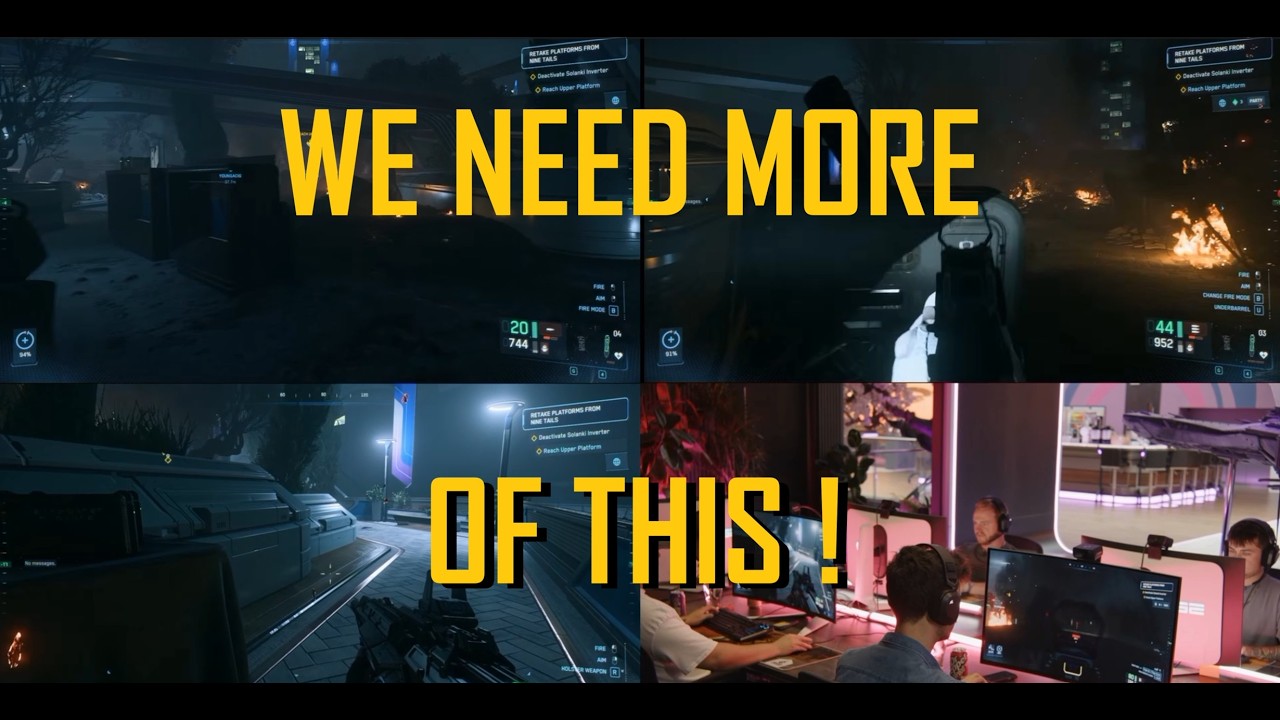
The recent Star Citizen live stream sparked mixed reactions, with many criticizing its bugs, awkward moments, and poor presentation, while some defended it as an honest glimpse into development. After reflecting on it, the video creator believes that Cloud Imperium Games (CIG) should actually produce more of these unfiltered live gameplay streams. Despite the stream’s lack of structure and ineffective hosting, the concept offers a valuable, authentic way to communicate development progress directly to the community.
Traditionally, Star Citizen presentations have been highly curated and rehearsed, showcasing polished features in controlled environments like CitizenCon or Inside Star Citizen episodes. This approach, while common in the gaming industry, leaves audiences unsure of how representative these demos are of the actual development status. The recent live stream broke this pattern by showing developers playing on internal builds with all the raw bugs and issues that players themselves experience, providing a more genuine and relatable insight into the game’s current state.
One of the most important takeaways from the stream was that developers face the same challenges as players, even on private servers and internal builds. This establishes a baseline of transparency, showing that the game is still a work in progress. The video suggests that if CIG were to hold such live sessions regularly, viewers could witness real-time improvements in AI behavior, mission flow, and gameplay stability. This ongoing, unscripted format could be a far more convincing demonstration of progress than traditional marketing or roadmap updates.
However, the execution of the stream left much to be desired, primarily due to poor hosting. The host struggled to maintain structure, guide the conversation, and keep the audience engaged, resulting in scattered discussions and missed opportunities to delve deeper into new features or development insights. Effective hosting requires anticipating audience questions, steering conversations, and ensuring every moment adds value, especially during lengthy live streams. Unfortunately, the current host was unable to fulfill this role, making the stream feel more like casual gameplay than an informative developer session.
In conclusion, the video argues that CIG should not abandon this raw development stream format despite its flaws. Instead, they should refine the presentation by pairing authentic gameplay with skilled hosting that facilitates meaningful discussion. This approach would build credibility through transparency and offer the community a genuine window into Star Citizen’s development journey. Over time, consistent streams like these could become invaluable in tracking real progress, ultimately fostering trust and excitement as improvements transition from internal builds to live servers.