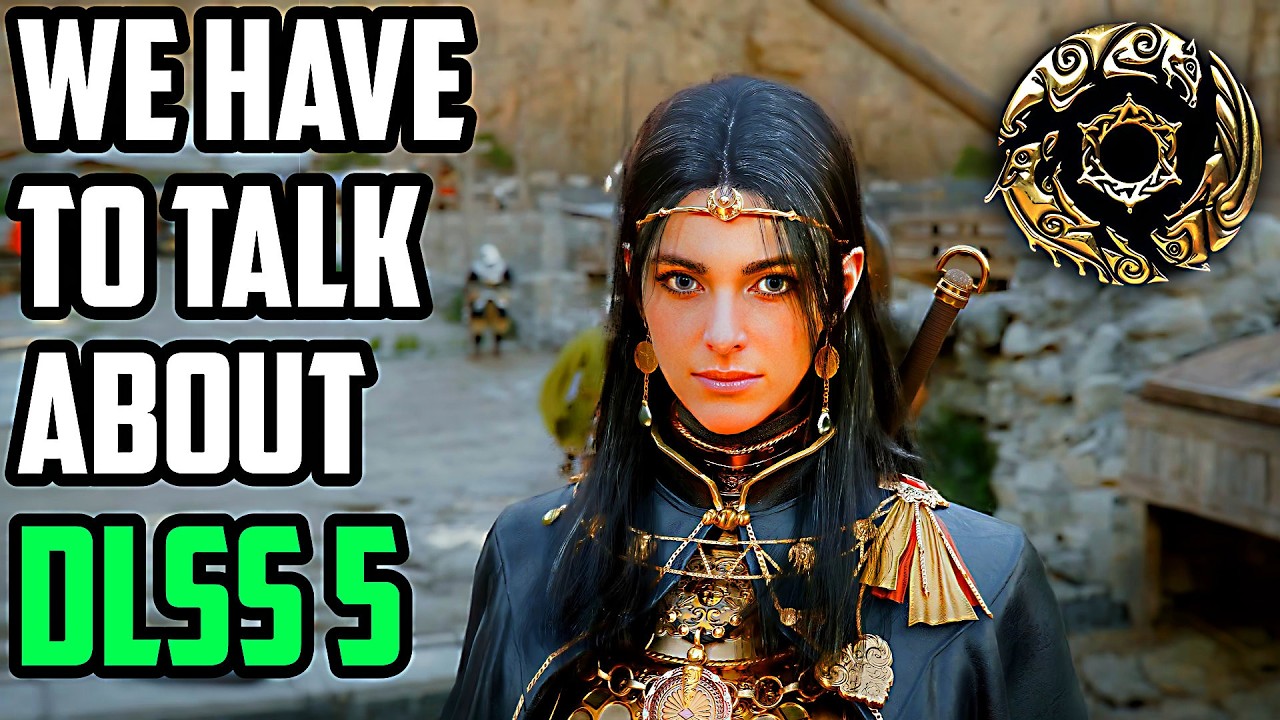
The video discusses the recent buzz around Nvidia’s DLSS 5 technology, focusing specifically on its application in the game Crimson Desert. DLSS 5, described as AI neural rendering, enhances game visuals by improving lighting, shadows, and materials through an AI filter. However, the technology has sparked controversy because, when maxed out, it can drastically alter a game’s aesthetics, sometimes making characters look unnatural or distorted. The speaker emphasizes that DLSS 5 is still in early stages, having been officially released only in one basketball game, but modders have leaked and expanded its use, leading to rapid development and wider adoption beyond Nvidia’s initial plans.
The modding community, comprising many experienced programmers and game developers, has been instrumental in pushing DLSS 5’s capabilities on various GPUs, including older RTX 20 and 30 series cards, even though Nvidia originally intended it for the RTX 50 series. This unexpected spread has prompted Nvidia to extend official support to RTX 40 series GPUs, with an official release expected later this year or early next year. Despite this excitement, the speaker shares their personal experience trying DLSS 5 with Crimson Desert, which resulted in game corruption, poor visual quality, and a significant performance hit, dropping frame rates by 40 to 50 percent.
The speaker warns that DLSS 5 is very demanding on hardware, making it unsuitable for many players, especially those without top-tier GPUs. While some mods can help improve performance, running DLSS 5 still requires considerable computing power and may not be practical for everyone. The speaker encourages viewers to weigh the pros and cons and consider whether the visual enhancements are worth the performance cost. They also invite opinions on whether viewers want to see Crimson Desert gameplay with DLSS 5 or prefer to stick with the base game visuals.
A key point of contention highlighted in the video is the misrepresentation of DLSS 5-enhanced footage as evidence of official game improvements. The speaker criticizes a popular YouTuber who showcased Crimson Desert’s supposed indoor lighting improvements but used DLSS 5-enhanced footage, which artificially boosts lighting and shadows. This, the speaker argues, misleads viewers about the actual state of the game’s lighting and undermines the credibility of the patch notes claiming lighting improvements. The speaker stresses that while indoor lighting in Crimson Desert does need and is receiving improvements, DLSS 5 effects should not be conflated with official game enhancements.
In conclusion, the video calls for a focused discussion on DLSS 5’s impact specifically on Crimson Desert, separating it from broader debates about AI in gaming or technology in general. The speaker is generally positive about the potential of DLSS 5 but remains cautious due to current technical issues and the risk of misleading representations. They invite viewers to share their thoughts on whether DLSS 5 is a beneficial addition or an unnecessary complication for Crimson Desert, emphasizing the importance of transparency and realistic expectations as this technology continues to evolve.