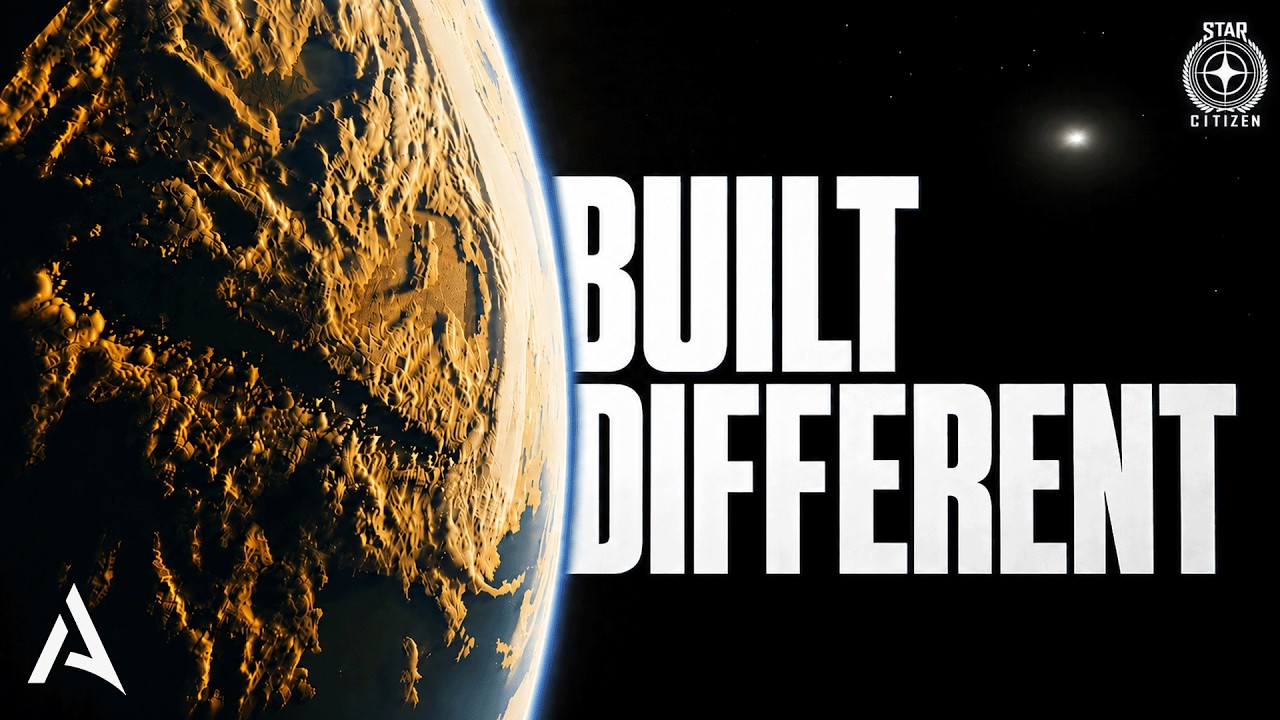
Later this year, Star Citizen will introduce a groundbreaking new planet called Nyx 1, which represents a major technological leap for the game. Unlike previous planets that were manually crafted by artists, Nyx 1 is the first to be built entirely with new technology that generates terrain and weather dynamically based on real physical data. This includes weather systems that form and evolve naturally, such as storms that can actively damage your ship, creating a far more immersive and challenging environment for players.
The new weather system on Nyx 1 is not just cosmetic but deeply integrated into gameplay. Weather is generated from the planet’s geography and climate data, producing realistic phenomena like rain, wind, thunder, and lightning that can affect visibility, flight dynamics, and even cause damage. This dynamic weather rewires long-standing gameplay decisions, forcing players to adapt their strategies in real time. The system aims to make the game world feel alive and interconnected, with weather impacting multiple game systems such as combat, avionics, and exploration.
On the ground, Nyx 1 introduces a revolutionary approach to terrain generation. Instead of hand-placed objects, the planet’s surface is created from data sets including soil composition, humidity, and temperature, allowing biomes and geological features to emerge naturally. This results in a more realistic and varied landscape, with medium-scale terrain complexity that enhances activities like mining and exploration. The planet also promises seamless transitions from space to surface with no terrain popping or level-of-detail issues, a first for the genre.
To populate this vast, dynamic world, Star Citizen is using a system called Stark, which procedurally places thousands of points of interest (POIs) such as outposts, caves, and settlements based on logical rules tied to the planet’s environment. These locations are clustered to tell coherent stories and are designed to interact with the game’s destruction system, making the world feel functional and reactive rather than static. This marks a dramatic increase from the handful of hand-built locations currently available, promising a richer and more immersive experience.
Underlying all of this is the ambitious vision of Starim, a background simulation running hundreds of thousands of AI-driven NPCs with their own goals, jobs, and inventories. These NPCs dynamically generate missions and events that respond to player actions, creating a living, breathing universe. Adding to the lore, Nyx 1 is depicted as a planet undergoing terraforming, symbolizing both the game’s evolving technology and narrative. While bugs are expected at launch, this release represents a significant step forward for Star Citizen, promising a deeply immersive and dynamic gameplay experience unlike anything seen before.