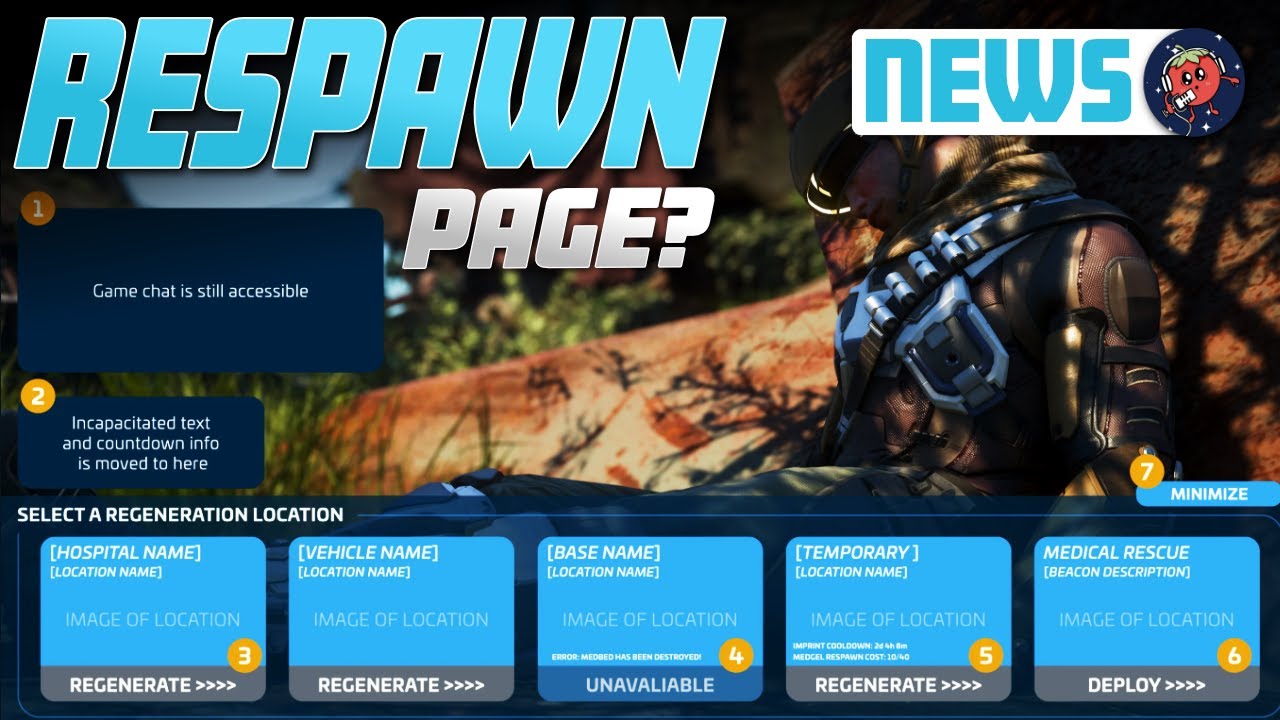
The video discusses the future of medical gameplay in Star Citizen following the 4.3.1 update, which introduces med gel as a new medical resource. This update builds on previous medical features such as med pens, medical beds, and rescue beacons, setting the stage for a more developed and integrated medical system. However, the development of medical gameplay is closely tied to other game systems like scanning, traversal, and actor status, which means progress can be slow and dependent on improvements in related areas. The video also highlights player frustrations with the lack of clear, updated documentation for systems like exploration and scanning.
One of the most significant upcoming changes is the introduction of the ability to imprint on multiple medical beds simultaneously, allowing players to choose their respawn location strategically. This marks a shift from the previous system where players had only one imprint point, making respawning more tactical and flexible. The new system will also introduce conditions that can limit regeneration, such as cooldown timers and regeneration limits, adding layers of complexity and risk to the medical gameplay. This change is seen as a move toward a more casual, game-like approach while still maintaining elements of risk and reward.
Medical beds will have various conditions affecting their usability, including requirements for med gel, permissions settings, and status effects like being disabled by damage or events. Players will be able to set permissions on beds within their ships, vehicles, or bases, controlling who can use or imprint on them. Other conditions include UEC fees for healing, temporary imprints, and cooldown periods between regenerations. This detailed design shows a more thoughtful and structured approach to medical gameplay, aiming to balance realism and gameplay mechanics.
The rescue beacon system, which has suffered from issues due to server meshing and increased player capacity, is also slated for improvement. The current system struggles with managing notifications and marker systems across multiple star systems, and a better UI is planned to help first responders assess rescue situations more effectively. Although no specific timelines are given for these fixes, the developers acknowledge the problems and intend to address them before the game’s 1.0 release. The video emphasizes the noble role of first responders in the game and the developers’ commitment to supporting this gameplay style.
Overall, while the medical gameplay updates bring promising changes, there are concerns about the balance and viability of being a medic, especially regarding the cost and rewards associated with healing and rescue missions. The introduction of multiple imprints and more conditions adds depth but also complexity that will need careful tuning. The video concludes that medical gameplay is evolving to be more accessible and game-like, though it remains to be seen how these changes will play out in practice and whether they will fulfill the ambitious vision of the “death of a spaceman” mechanic in Star Citizen.