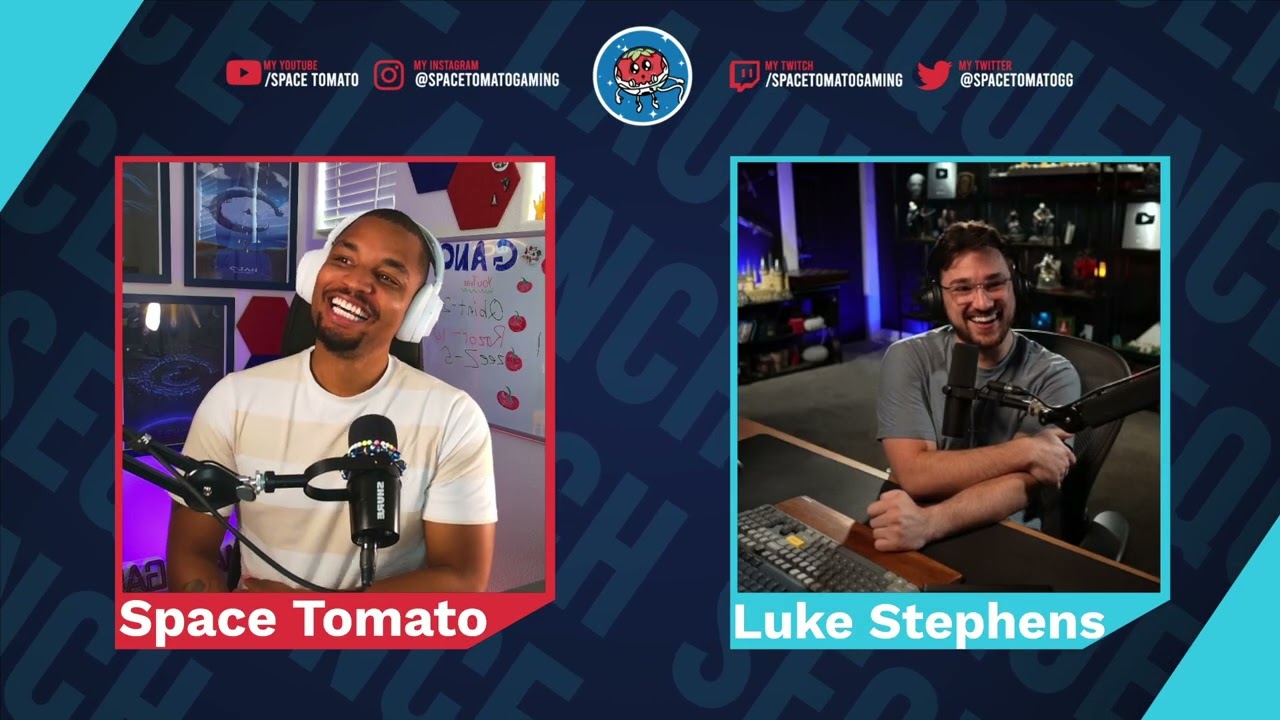
The podcast episode features a detailed discussion about Star Citizen, its development challenges, and its position within the gaming industry. Luke Stevens, a gaming content creator and commentator, joins the host to share his insights on the game’s progress and the broader context of space exploration games. They begin by reflecting on the gaming landscape in recent years, noting the cyclical nature of game releases and the evolution from retail-dependent launches to a year-round digital market. Both agree that 2023 and 2024 have been strong years for gaming, with many notable titles releasing, though Luke admits he hasn’t had as much time to play games as he’d like.
The conversation quickly shifts focus to Star Citizen, a game that fascinates Luke due to its unprecedented scale, ambitious scope, and unconventional funding model. Despite the game’s lengthy development time and the massive $800 million raised, Luke acknowledges the technical achievements and innovation the development team has accomplished. However, both hosts recognize that the game’s protracted development and feature creep have contributed to a complicated reputation, often overshadowing the impressive technology and content created so far. They discuss how the game’s unique design, which doesn’t fit neatly into traditional MMO or single-player categories, creates both appeal and barriers for new players.
Monetization emerges as a central topic, with Luke emphasizing that while Star Citizen is not strictly pay-to-win, its funding model—centered on selling expensive ships and in-game items to a small group of high-spending players or “whales”—creates a perception problem that deters many potential players. They explore the tension between sustaining the game’s ambitious development through these sales and the alienation it causes among casual gamers. Both agree that clearer communication about in-game ship rentals, earning ships through gameplay, and the distinction between paying and grinding could help, but the stigma around expensive ship sales and the “scam citizen” meme remains a significant hurdle.
The hosts also discuss the potential impact of Squadron 42, Star Citizen’s single-player campaign, which they see as a crucial step for attracting a broader audience and improving the game’s mainstream appeal. They believe that a successful launch of Squadron 42 could serve as a polished, accessible introduction to the universe, helping to shift public perception and draw players into the larger persistent universe. However, they caution that the game must meet modern performance and quality expectations to succeed, especially given the high standards set by other recent AAA titles. The conversation touches on the importance of balancing complexity with approachability, suggesting that offering different modes or servers catering to both hardcore and casual players could be a way forward.
Finally, Luke reflects on the broader significance of Star Citizen within the gaming industry, noting that while the game has not been a focal point for most developers or publishers, its ambitious scale and development model offer valuable lessons. He highlights the challenge of maintaining momentum and funding over a decade-long development and stresses the importance of finishing the game to preserve its innovations and player base. Despite the ongoing controversies and challenges, both hosts express hope that with the right adjustments—particularly in monetization, communication, and the successful release of Squadron 42—Star Citizen can overcome its reputation issues and secure a sustainable future in the competitive gaming market.