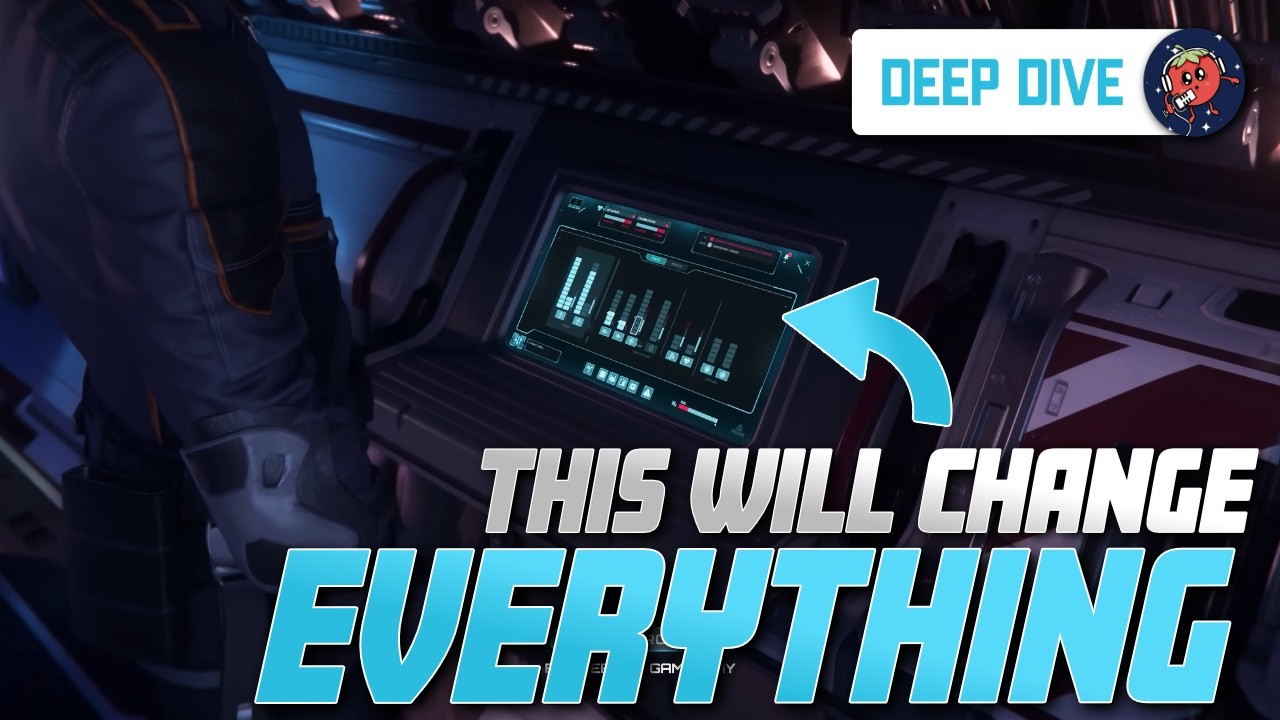
The video provides an in-depth exploration of Star Citizen’s Engineering System, highlighting its significant scope and impact on gameplay. Engineering, formerly known as the pipe system, is designed to manage critical ship functions such as gravity, power, data, and life support. It aims to bring ships to life by introducing a dynamic system that affects how ships operate before, during, and after combat. The system allows players to make strategic choices about ship maintenance and upgrades, balancing between repairing their ship for longevity or pushing it harder for immediate gameplay benefits. This adds a layer of realism and complexity, moving away from the simplistic model of ships just exploding or being disabled instantly.
The video traces the history of the Engineering System, showing how it evolved from early concepts like the heat system introduced in 2019 to a more comprehensive resource management framework. This system connects various ship components through relays, which manage power distribution and create potential fail points that players can repair. The first rollout includes around 70 ships, a significant expansion from the initially planned 11 to 15, and introduces features such as diagnostic screens, one-time repair buttons for single-seat fighters, fire extinguishers, and repair guns. These elements collectively enhance the immersive experience by making ship damage and repair more interactive and realistic.
Beyond ships, Engineering extends to outposts and planetary bases, forming a backbone for various gameplay elements. The system supports a wide range of activities, including repairing machinery, managing power plants, and interacting with environmental hazards. This broad application means that players can engage in engineering roles without needing to specialize their characters, opening opportunities for maintenance and repair gameplay alongside combat and exploration. The integration of engineering into missions and contracts further enriches the game’s ecosystem, promising diverse experiences such as battery puzzles and field repairs.
Fire propagation is a key complementary feature to Engineering, with development dating back several years. The video details how the team has worked on realistic fire and smoke simulations using voxel-based systems tailored for the unique environments within ships and stations. This system not only enhances visual fidelity but also impacts gameplay by affecting ship components and crew safety. The complexity of rendering and simulating fire has required significant technical innovation, including the use of the Vulkan API for optimized graphics performance, indicating that engineering features are closely tied to broader technological advancements in the game.
In conclusion, the Engineering System represents a major, long-anticipated expansion of Star Citizen’s gameplay depth and realism. It introduces systemic resource management, damage control, and repair mechanics that affect ships, outposts, and planetary installations. While it adds complexity, it is designed not to overwhelm solo players but to offer meaningful choices and cooperative roles. The system’s development has been intertwined with advancements in graphics and engine technology, explaining some delays but promising a rich, immersive experience that enhances both combat and non-combat gameplay in the evolving universe of Star Citizen.