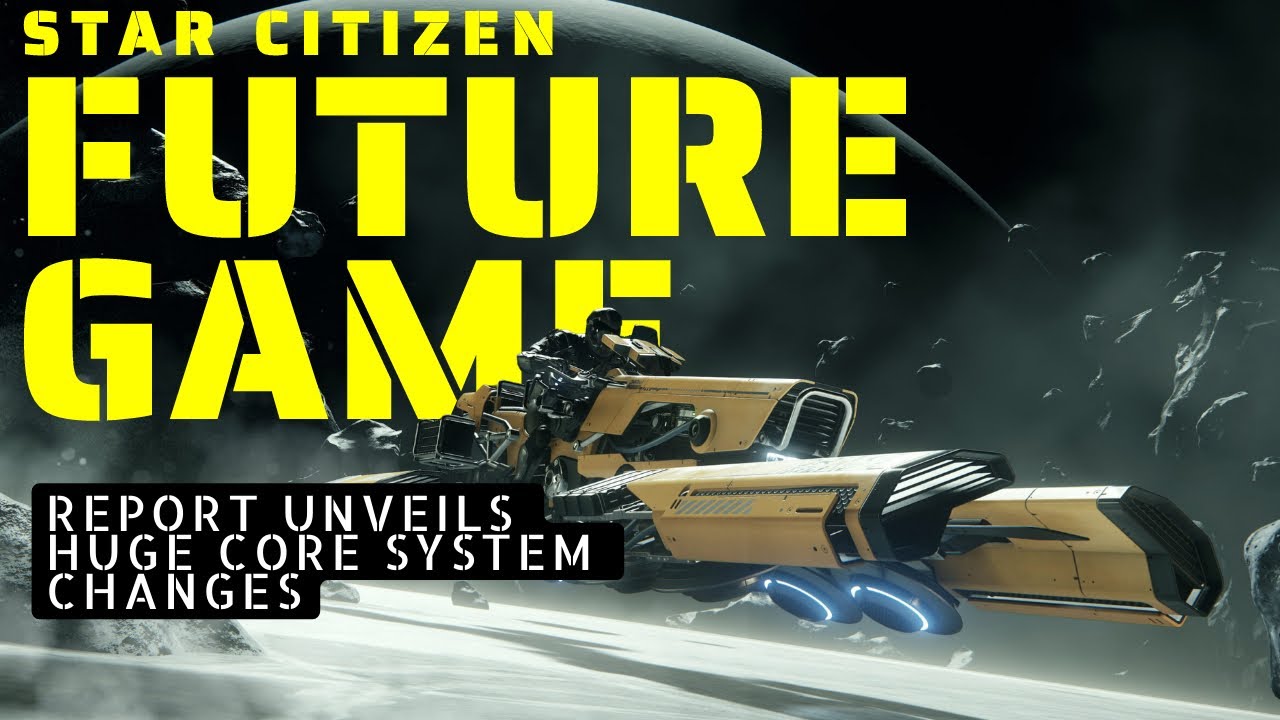
The latest Star Citizen monthly report reveals a major overhaul of the game’s core systems, focusing on rebuilding fundamental gameplay mechanics from the ground up. While flashy ships and new locations often steal the spotlight, these behind-the-scenes updates address long-standing issues like medical gameplay, item ownership, and atmospheric flight. Players have experienced frustrating moments where simple actions, such as using a medical beacon or recovering stolen items, fail due to broken backend systems. The upcoming changes aim to fix these pain points, transforming the game from a tech demo into a functioning universe with meaningful consequences and gameplay depth.
Medical gameplay is undergoing a comprehensive transformation. Respawn mechanics will no longer be simple and free; medical beds will require resources like medical gel to function, introducing strategic supply management. This change will make death and rescue missions more impactful, with lower-tier medical equipment consuming more resources than higher-tier alternatives. The update ties into the recently teased recharger units, hinting at a broader resource drain and recharge system across the game. These changes promise to add weight to medical operations, making them more immersive and consequential, especially during deep-space missions where supplies are scarce.
Item recovery and ownership systems are also being rebuilt through a three-phase plan. Currently, stolen items simply disappear, causing player frustration and loss. The next phase introduces a “bricking” mechanic, where stolen items become useless after a timer unless reclaimed, balancing the interests of both thieves and victims. The final phase will allow thieves to “clean” stolen items using resources, legitimizing theft as a gameplay path rather than just griefing. This system aims to restore player trust in item persistence and ownership, enabling new player-driven economies and interactions like face-to-face trading and recovery of lost gear after crashes.
One of the most significant gameplay changes will be to the flight model, which is being rebuilt around real aerodynamics and physical components. Ships will finally fly differently based on their shape and atmospheric conditions, with control surfaces and thrusters playing critical roles. This means large, flat ships will glide, while heavier, less aerodynamic ships will struggle to stay airborne, consuming thruster durability. The update will also introduce G-force limits, realistic NPC flight behavior, and more meaningful damage to thrusters, making atmospheric flight more immersive and skill-dependent. These changes will affect everything from combat tactics to outpost camping strategies.
To prepare for these sweeping changes, players are encouraged to diversify their ship hangars, consider the value and vulnerability of their gear, and adopt new roles within group play, such as dedicated medical supply runners and engineers monitoring ship components. Practicing atmospheric flight with different ships will help players appreciate the upcoming flight model changes. Overall, these core system updates represent a critical step toward making Star Citizen a true, persistent universe with interconnected mechanics that reward strategic thinking and teamwork, finally delivering the gameplay depth fans have long awaited.