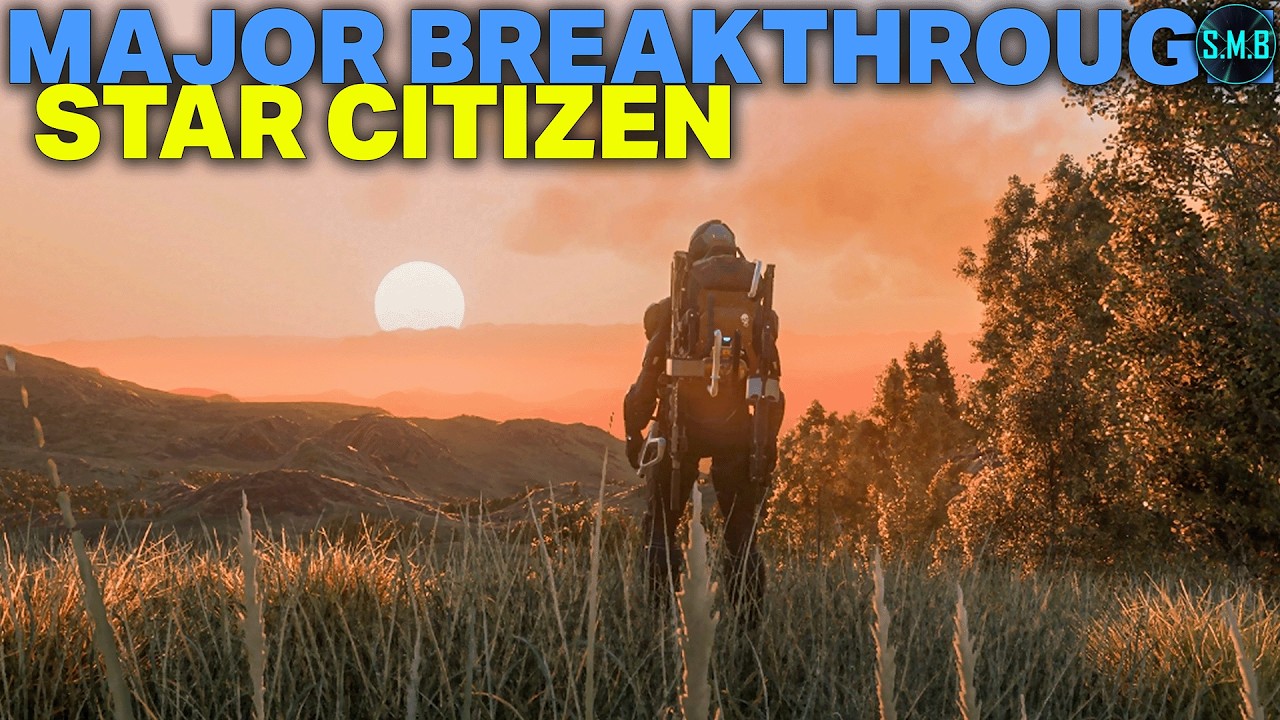
In this video, Ryan, also known as Mac, discusses the latest Genesis tech preview test for Star Citizen, which was released recently. He thanks his patrons and encourages viewers to subscribe and support his channel. Ryan stayed up late to play the new build and shares his experiences, clarifying a previous assumption about courier missions. He now believes that mission items spawn normally when a mission is accepted rather than dynamically based on other players’ failures, although he remains open to being proven wrong.
The patch notes reveal significant updates, including the addition of new sector types and points of interest archetypes on the planet Nyx 1. These new biomes include grasslands, beaches, swamps, alpine, deserts, and arctic zones, each with specific functions like farming, extraction, or science. Three new location types—moisture farms, remote research stations, and science surveillance outposts—have been introduced but are not yet final. Ryan notes that these points of interest are vast and sometimes difficult to locate due to the planet’s size, emphasizing the potential for thousands of unique locations in the future.
A major focus of this preview is the implementation of quasi-dynamic server meshing, which improves load balancing by distributing clusters of activity across multiple servers more efficiently. This approach replaces the previous static sector-based system, reducing server hotspots and improving overall stability and performance. Ryan observed significantly higher server frame rates near busy clusters and noted that NPC behavior was smoother and more challenging, indicating progress toward a more dynamic and responsive gameplay experience.
Ryan shares both positive and negative aspects of his experience. While some biomes, particularly desert areas, appeared less detailed and occasionally buggy, overall client performance was impressive, especially on high-end hardware. He highlights excellent level of detail from orbit to ground level, though some textures and LOD transitions need refinement. He also noticed interesting environmental effects, such as temperature drops when standing in tree shadows, though weather systems remain incomplete. Missions currently focus on courier, delivery, and mercenary tasks, with some engaging stealth and combat elements, but more diverse mission types are expected in future updates.
In conclusion, Ryan is optimistic about the future of Star Citizen’s Planet Tech version 5, praising the improvements in server meshing, client performance, and the expanding variety of biomes and points of interest. While flora, fauna, and minables are not yet implemented, their eventual inclusion promises richer gameplay. He anticipates many more tech previews introducing new content and optimizations before the wider release. Ryan plans to create further videos exploring the locations and missions he encountered and encourages viewers to subscribe and follow his streams for upcoming content once the NDA is lifted.