In this detailed overview, Ryan, also known as Mac, explores the evolving mission system in Star Citizen, focusing on the recent Genesis Planet Tech preview and the introduction of Staritect points of interest. He explains how the planet Nyx One is divided into eight sectors, each containing clusters of points of interest like outposts, caves, and guild halls, which serve as bustling hubs for players to find missions and collaborate. These locations are faction-controlled, with some hostile and others friendly, and while NPCs populate these areas, their behavior is currently basic, lacking dynamic day-night cycles or advanced AI population management.
Ryan highlights a significant advancement in the mission system: dynamic mission generation based on player actions. For example, he took a mission to recover a box left behind by a player who abandoned a delivery, demonstrating how the game can create contracts from other players’ failures. This system promises to extend to other professions such as salvaging, where abandoned ships could generate salvage or towing contracts, helping manage in-game clutter and improving server performance. This dynamic approach marks a major step forward in creating a living, reactive game world.
The video also delves into the variety of missions available from different guilds, including the Academy of Sciences, Interstellar Transport, Mercenaries, and United Resource Workers. Missions range from simple delivery tasks to combat and sabotage operations, with job boards categorizing contracts as local, regional, or global based on distance. Ryan shares his personal experiences tackling missions like “Save Dad’s Data,” which involved stealth and combat at a marine gang hideout, and tracking down a target for a mercenary guild, emphasizing the engaging and challenging nature of these tasks despite some current technical issues like inventory bugs and AI desynchronization.
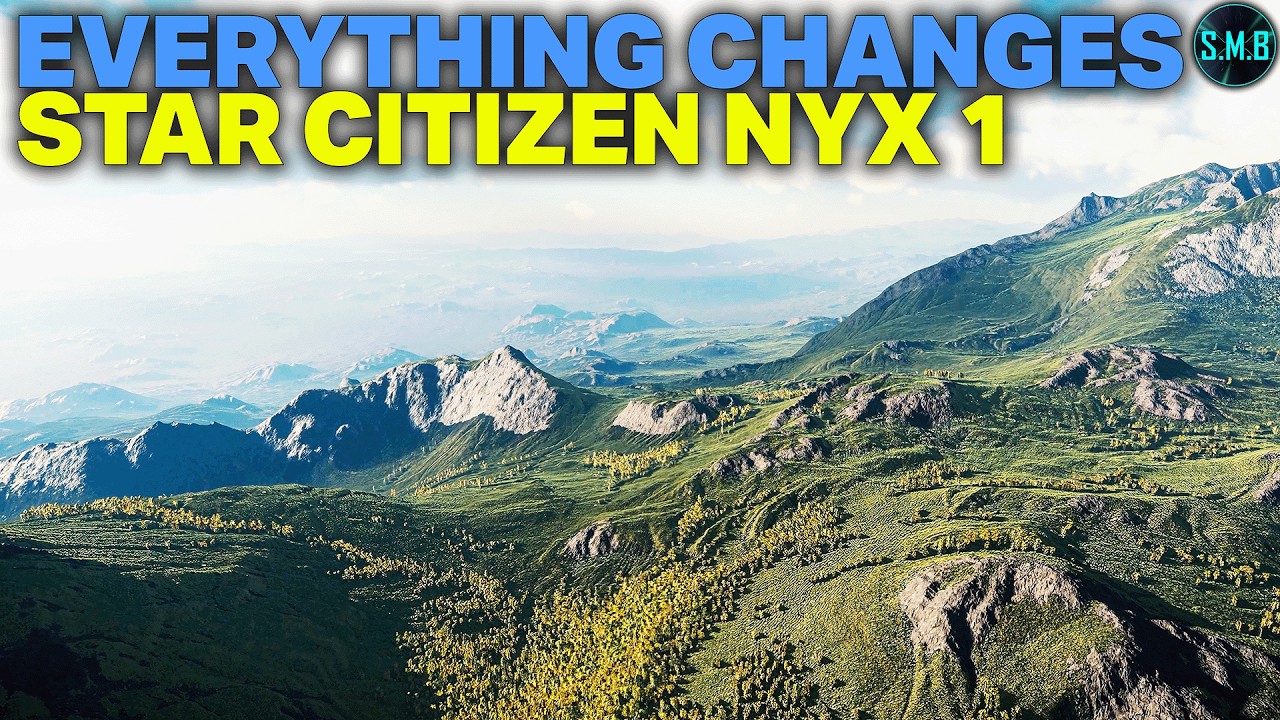
Ryan paints a vivid picture of the game’s environments, describing the stunning and diverse landscapes of Nyx One, from rolling grasslands and dense woodlands to dramatic mountain ranges. These settings enhance immersion and provide tactical variety for missions, encouraging different approaches such as stealth, reconnaissance, or direct combat. He notes the importance of guild halls as social and operational centers, where players can meet, form crews, and take on missions together, fostering community interaction within the game.
In conclusion, Ryan expresses optimism about the future of Star Citizen’s mission system and overall gameplay, anticipating improvements with upcoming tech previews, including quasi-dynamic server meshing and enhanced AI population management. He envisions players living and working at various outposts, engaging deeply with the game’s ecosystems, missions, and social hubs. With ongoing development aimed at expanding mission complexity, adding creatures, dynamic weather, and vehicle crafting, he believes the game is on a promising path toward a rich and immersive experience, encouraging viewers to stay tuned for further updates and content.