In this video, Ryan (aka Mac) discusses the recent Star Citizen Vulkan and AI Evocati tech preview test, which faced significant server issues that limited player testing time. Despite these setbacks, the test revealed important updates and improvements, including the integration of Vulkan as the default graphics API, offering better performance and more graphical options. Players were encouraged to play normally to test the changes, but a major bug preventing item retrieval from inventory kiosks hindered FPS mission testing. Ryan himself was unable to participate due to download times and the early shutdown of the test.
The Vulkan update brought a range of graphical enhancements and optimization, including new options for object detail, texture quality, shadows, fog, and post-processing effects, allowing players with various hardware capabilities to better balance performance and visuals. Notably, Vulkan now supports hardware ray tracing and global illumination (GI), although GI was turned off during the test, indicating these features are coming soon. Character models also saw improvements, with better textures and a subtle blur effect when wearing helmets, enhancing immersion and visual fidelity.
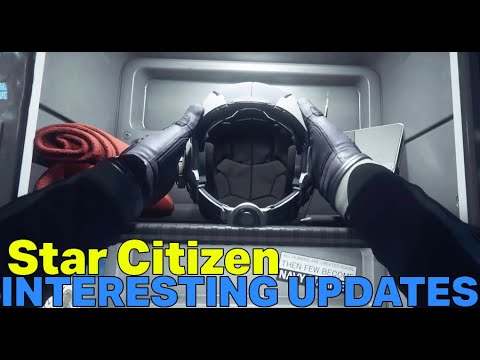
A particularly exciting feature spotted in the build was the physicalization of helmets, allowing them to be held and placed on the hip. This hints at future updates where armor pieces, including helmets, will become physical models rather than static boxes, adding realism to player interactions. While not fully implemented in this test, it suggests ongoing progress toward more immersive equipment handling in the game.
The AI improvements were extensive, focusing on more realistic and varied NPC behaviors. The AI now has a more consistent first reaction system, with distinct animations based on how they detect threats visually, audibly, or via radar. Combat tactics such as defending, strafing, and pushing have been overhauled for greater differentiation and adaptability, including better cover usage and tactical positioning. NPCs also manage ammo, throw grenades more intelligently, and medics have improved revival animations, all contributing to more challenging and dynamic encounters.
Finally, Ryan touches on upcoming medical system updates tied to the Apollo medical ship release, hinting at new limitations on regeneration and quality-of-life improvements. He also mentions ongoing development for FPS radar and scanners, which are expected soon. Overall, despite the test’s technical issues, the video highlights significant progress in graphics, AI, and gameplay systems, with more tests anticipated before these features reach the broader player base and support the upcoming Squadron 42 release.