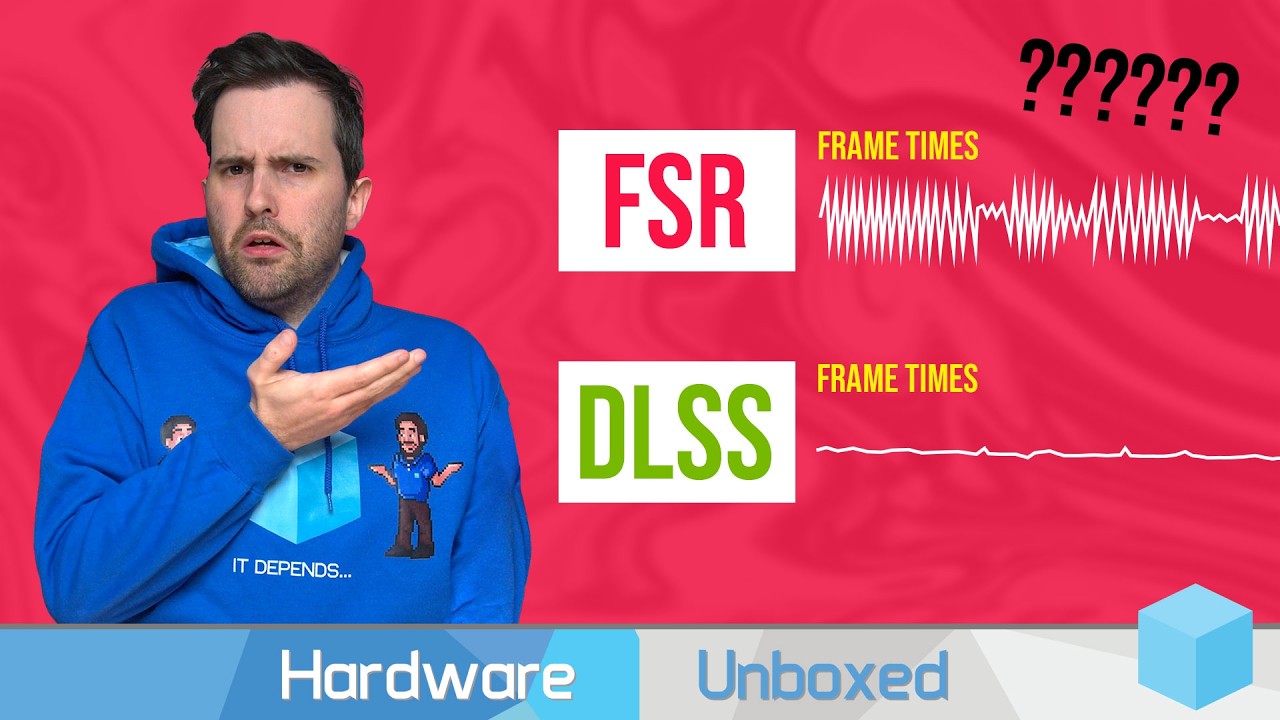
The video examines AMD’s FSR frame generation technology and finds that its longstanding frame pacing issues—causing uneven frame delivery and visible stuttering—remain unresolved despite multiple updates and native game integrations. It concludes that Nvidia’s DLSS frame generation offers a noticeably smoother experience, recommending users be cautious with FSR until AMD addresses these persistent problems.
The video revisits AMD’s FSR (FidelityFX Super Resolution) frame generation technology to assess whether AMD has addressed a longstanding issue with frame pacing that has plagued the feature since its debut in 2023. Initially introduced with FSR 3.1 and later upgraded to FSR Redstone and FSR 4.0.1, the technology aims to interpolate frames to increase frame rates and improve smoothness in gaming. However, despite updates and native integrations in newer games, the presenter highlights that the core problem—uneven frame delivery to displays causing a “double tap” effect and jitter—remains unresolved.
The core issue with FSR frame generation is that while it can generate frames at a consistent rate internally, the frames are not displayed evenly on the screen. This results in some frames being shown longer than others, causing visible stuttering and tearing, especially noticeable at lower frame rates where smoothness gains are most expected. This contrasts with Nvidia’s DLSS frame generation, which maintains far better and more consistent frame pacing, delivering a smoother gameplay experience. The presenter demonstrates this problem across a variety of games, showing that the issue persists regardless of settings like V-Sync or variable refresh rates.
Testing on multiple titles, including Cyberpunk 2077, Mafia: The Old Country, God of War Ragnarok, and Hogwarts Legacy, reveals that the frame pacing problem is widespread and varies in severity. Some games exhibit severe double tapping and tearing, while others show occasional or less pronounced issues. Even games with native FSR 4.0 integration and machine learning-based frame generation, such as Assassin’s Creed Black Flag Reync and Resident Evil Requiem, continue to suffer from these pacing inconsistencies. The presenter notes that this inconsistency undermines the technology’s purpose of enhancing smoothness and motion clarity.
Newer titles like Alan Wake 2, which recently received FSR4 support, still exhibit the same frame pacing flaws despite the upgrade. The presenter speculates that the root cause might be related to how frames are processed and delivered to the display or potentially limitations in the underlying FSR frame generation code. Despite nearly three years since FSR frame generation’s initial release and eight months since the Redstone update, AMD appears to have made little progress in fixing these issues at the driver or game integration level.
In conclusion, the video warns users interested in frame generation technology to be cautious about AMD’s FSR frame generation due to its persistent frame pacing problems that significantly impact smoothness and visual quality. The presenter recommends Nvidia’s DLSS frame generation as the superior alternative, citing its consistent and smooth output. While hopeful that AMD might eventually fix these issues, the presenter remains skeptical about the likelihood of a comprehensive solution, especially for existing game titles. The video wraps up by promoting a sponsored AI capture card and encouraging viewers to support the channel for more independent tech testing.
Useful Links