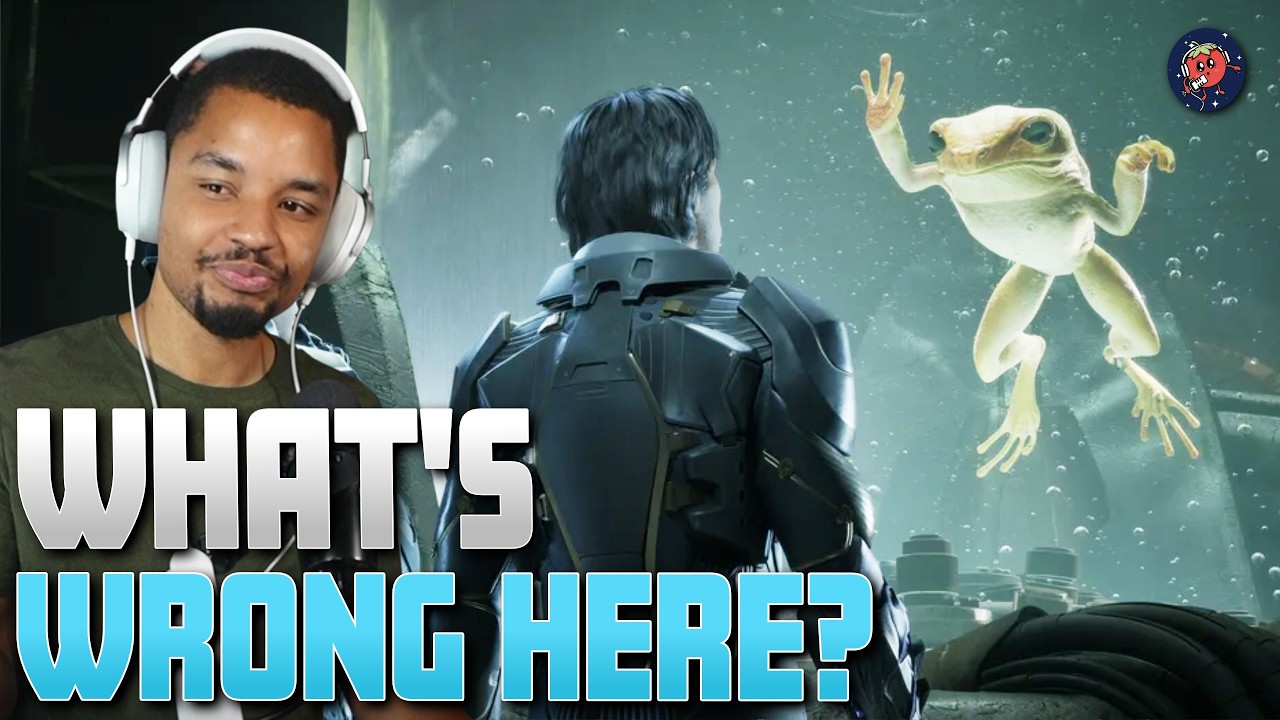
The video begins with the host expressing mixed feelings about the upcoming game Exodus, especially in the shadow of the beloved Mass Effect series. While acknowledging that Exodus has talented BioWare veterans on the team and significant backing from Wizards of the Coast, the host is cautious about whether it can fill the void left by Mass Effect. The game promises a sci-fi universe with character-driven quests, complex relationships, and tough decisions, but it remains to be seen if it can deliver on these fronts. The initial gameplay footage reveals a mission involving infiltrating a space station, with familiar RPG elements like dialogue choices, skill trees, and squad-based combat.
The gameplay showcases a mix of sci-fi and fantasy elements, with humans having evolved over thousands of years, gaining magical abilities and advanced technology. The presence of awakened species like intelligent frogs and combat alongside an octopus adds a unique twist to the narrative. Combat mechanics appear solid and reminiscent of games like Mass Effect: Andromeda and Horizon, emphasizing combining status effects and tactical shooting. However, some aspects, such as the character dialogue—especially one character’s incessant talking—feel grating and detract from immersion. The level design and atmosphere are praised for their detail, though the gameplay pacing sometimes feels like just moving through environments rather than actively engaging.
A significant part of the game’s story revolves around political intrigue and moral choices, such as protecting or controlling the awakened species known as the K. The player must navigate alliances, with factions vying for control over powerful relics called beacons that influence the fate of entire planets. The game attempts to incorporate meaningful consequences through a time dilation mechanic, where missions take the player away for long periods, causing the world and characters to evolve or age in their absence. However, the demo leaves some narrative decisions feeling underexplored, and the impact of choices on the broader world remains somewhat unclear.
The host also comments on the game’s approach to teaching mechanics, comparing it to classics like Half-Life, noting that Exodus tends to use more direct prompts rather than environmental storytelling to introduce new gameplay elements. The combat is described as fun but possibly tiring over long sessions, and the dialogue writing is seen as less compelling than hoped. The interaction with various characters, including a quirky construct with a personality and the frogs’ faction, adds flavor but doesn’t fully capture the emotional depth expected from such a story-driven RPG.
In conclusion, while Exodus shows promise with its unique sci-fi/fantasy blend, detailed world-building, and solid gameplay foundations, the host remains skeptical about its ability to match the narrative and emotional impact of Mass Effect. The stakes and writing don’t yet feel as gripping, and some gameplay elements could be more immersive. Nevertheless, with its April 7th release date approaching, it adds to an exciting period for space-themed games, alongside titles like The Expanse and Squadron 42. The host looks forward to seeing more from Exodus but remains cautiously optimistic about its ultimate success.