The video provides an in-depth overview of the new ground vehicle missile updates in the 4.6 PTU patch. Ground missiles have been added to the Cry Astro kiosks, making them restockable and purchasable at locations like the Crusader showroom in Orison. These missiles are specifically designed for ground vehicles and cannot be equipped on ships, with the naming convention including a “G” to differentiate ground missiles from ship missiles. Various sizes of ground missiles are now available, including size one, two, five, and seven, with options like the Task Force One, Tempest, Strike Force, and Cross-Section missiles. The presenter tests missile swapping on vehicles such as the Anvil Ballista and Cyclone MT, highlighting the new gameplay potential but also noting some bugs, such as missiles reverting to stock loadouts after reclaiming vehicles and issues with restocking and tractor beam interactions.
Another significant update covered is the reintroduction of the “place from inventory” feature, allowing players to place items like fuses directly from their inventory without needing to manually equip them first. This quality-of-life improvement streamlines gameplay, though the presenter is unsure if it extends beyond fuses to other items. Additionally, a new engineering feature introduces a 10% repair threshold for ship components and weapons, meaning parts must be repaired above 10% health before becoming functional again. This mechanic was demonstrated by damaging and repairing ship power plants and weapons, showing that components remain unusable until they surpass the threshold, adding a layer of realism and challenge to ship repairs.
The video also explores updated planetary and moon descriptions in the star map, which now include detailed information about potential resources and creatures available on each celestial body. This update is particularly useful for resource gathering and crafting, as it highlights where specific minerals like Quantanium, Genelite, and Heest Knight can be found, often specifying whether they are located on the surface or inside caves. The presenter appreciates this addition as a major quality-of-life improvement, though notes that it currently only applies to planets and moons, not space stations or other locations, and suggests that future updates could include resource percentages or scanning capabilities similar to other space games.
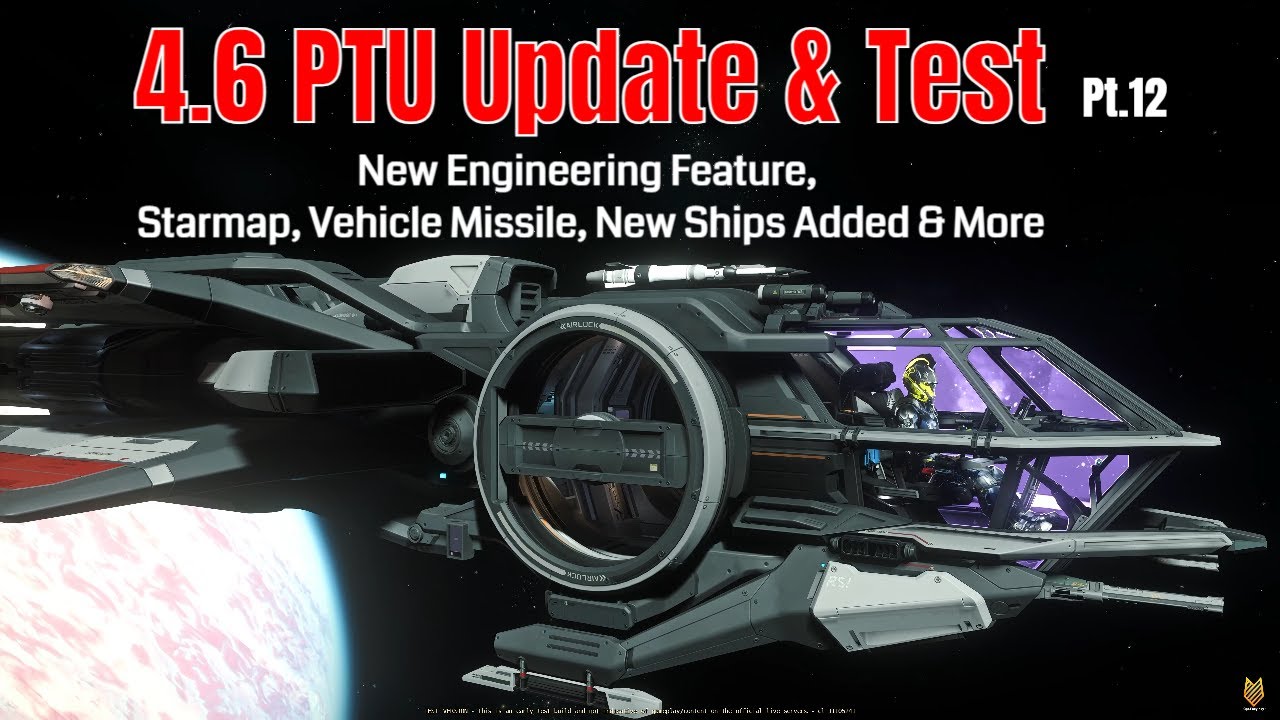
In terms of visual and gameplay enhancements, the Aurora Go Standard ships have been equipped with a new lamp system that emits a purple light within the cockpit, improving visibility during night operations and quantum travel. However, the brightness effect is quite strong, amplifying all light sources significantly. The presenter also notes persistent atmospheric entry bugs despite patch notes claiming fixes, showing ongoing issues with the game’s environment effects. Additionally, a new food and drink stand has been added at the Tisa Spaceport in Lurville, providing convenient access to consumables and repair items, improving player convenience in that area.
Finally, the video highlights the addition of new ships available for purchase, including the Apollo Medvac and Apollo Triage variants, priced between 7.5 and 8.3 million aUEC, as well as the return of the RSI Aurora Gold Standard series with five variants now purchasable at Lurville New Deal. The presenter wraps up by demonstrating a fun new feature where the fire extinguisher can be used as a propellant in EVA, allowing faster movement in zero gravity compared to standard suit boosters. This opens up exciting possibilities for creative gameplay and events. The video concludes with an invitation for viewers to suggest further testing requests.