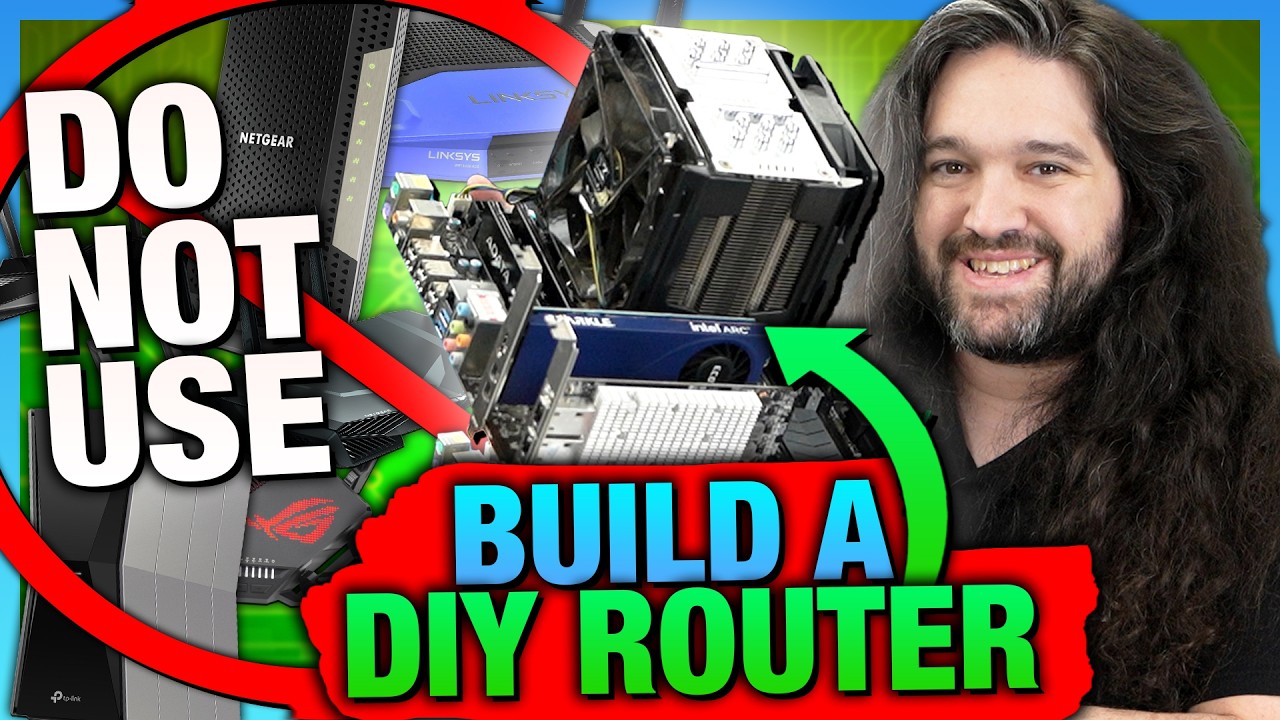
The video explores the concept of building your own DIY router using repurposed old computer hardware as a means to reclaim privacy, control, and ownership over your home network. The hosts demonstrate using an old X79 motherboard and CPU, combined with an add-in network card and SSD, to create a powerful and customizable router that surpasses many retail options. This approach not only counters the increasing surveillance and data mining by ISPs and router manufacturers but also revives the enthusiast spirit of DIY computing in a time when new PC builds have become prohibitively expensive. The video emphasizes the importance of taking back control from companies that harvest user data and impose restrictive hardware mandates.
The hosts discuss the broad FCC definition of a router and narrow it down to the practical home-use definition: a device managing the connection between your ISP and your local network, often also handling wireless access and network switching. They highlight the benefits of building your own router, including enhanced privacy, improved network performance, and the ability to customize features such as ad blocking, traffic monitoring, and remote access using modern tools like Tailscale. They caution viewers to set aside ample time for setup and to keep their existing routers operational during the transition to avoid losing internet connectivity.
Several popular open-source router operating systems are reviewed, including pfSense, OPNsense, OpenWRT, and IPFire. pfSense and OPNsense, both FreeBSD-based, are noted for their robustness and extensive features but come with community and licensing controversies, particularly around Netgate’s management of pfSense. OpenWRT, rooted in the legacy of the Linksys WRT54G, offers a Linux-based alternative with strong wireless support, while IPFire provides a user-friendly, color-coded network segmentation approach. The video provides detailed installation and configuration guidance for these systems, highlighting their strengths and quirks.
The challenges of replacing ISP-mandated hardware, especially with fiber connections like AT&T Fiber, are addressed. The hosts explain that while some ISPs allow straightforward router replacement or bridge modes, others require complex setups involving ONTs (Optical Network Terminals) and MAC spoofing to fully substitute their equipment. They recommend consulting community resources like pond.wiki and engaging with user groups to navigate these hurdles. The video also briefly mentions other router software options like RouterOS, DD-WRT, and Tomato64, though these are less emphasized due to their niche use cases or limited support for x86 hardware.
In conclusion, the video encourages viewers to experiment with building their own routers as a way to regain control over their networks, improve privacy, and engage in a rewarding technical hobby. While acknowledging the learning curve and potential frustrations, the hosts stress the importance of understanding and managing your own network infrastructure in an era of increasing corporate and governmental control. They invite the audience to share experiences and knowledge to foster a collaborative community dedicated to consumer rights and technological empowerment. The series promises further content on related topics like DIY VPNs and self-hosted cloud services, reinforcing the theme of digital self-sovereignty.