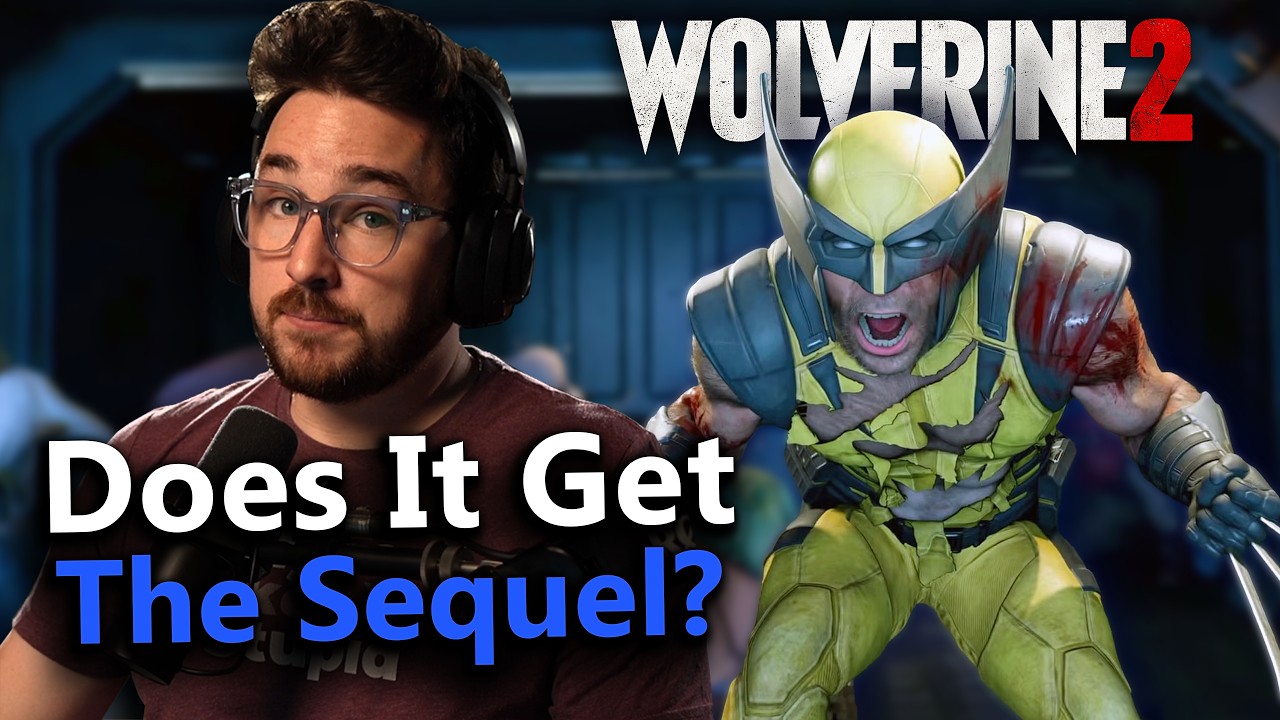
Insomniac’s Wolverine game experienced significant budget cuts leading to a scaled-back scope, and despite respectable initial sales, it may struggle to recoup its high development and marketing costs. As a result, future Marvel projects by Insomniac are likely to be smaller, more conservative endeavors rather than expansive AAA titles, reflecting a shift in Sony’s investment strategy.
The discussion centers around the development and future prospects of Insomniac’s Wolverine game. It is suggested that the game’s budget was significantly cut during development, likely due to dissatisfaction with progress or Sony’s reluctance to invest in $300 million blockbusters. This budget reduction led to a scaled-back scope and a departure from the original plans that had been leaked previously. Consequently, any future content or sequels are expected to be smaller, tighter experiences rather than the expansive AAA titles fans might hope for.
Sales figures indicate that Wolverine sold approximately 1.9 million units in its first week, which is respectable but not outstanding given the presumed high budget. To break even, the game likely needs to sell between 6 to 8 million copies, factoring in Marvel’s revenue share and marketing costs. Although promotional efforts, including expensive marketing campaigns like TV ads and event sponsorships, have been substantial, the current sales trajectory raises doubts about the game’s profitability and the likelihood of recouping the massive investment.
The speaker expresses skepticism about the potential for a Wolverine sequel or a broader X-Men franchise expansion by Insomniac. Historically, PlayStation sequels tend to perform similarly or slightly worse than their predecessors, with few exceptions. Given the enormous budget and the challenges of surpassing initial sales, it seems unlikely that Sony would greenlight a large-scale follow-up, especially if the first game struggles to turn a profit.
Comparisons are drawn to other franchises like Uncharted, Assassin’s Creed, and Horizon Zero Dawn, which either started smaller and grew over time or maintained consistent but not dramatically improved sales with sequels. The trend now favors cautious investment and realistic expectations rather than massive leaps in scope and budget. This contrasts with earlier eras when sequels could dramatically increase in scale and success, highlighting the changing economics of AAA game development.
In summary, the outlook for Insomniac’s Wolverine and related Marvel projects appears uncertain and constrained by financial realities. Fans hoping for expansive sequels or ambitious X-Men titles may be disappointed, as tighter budgets and sales pressures shape a more conservative approach. While the game’s initial sales are decent, they may not be enough to justify large-scale future investments, signaling a potential shift in Sony’s strategy for Marvel games going forward.