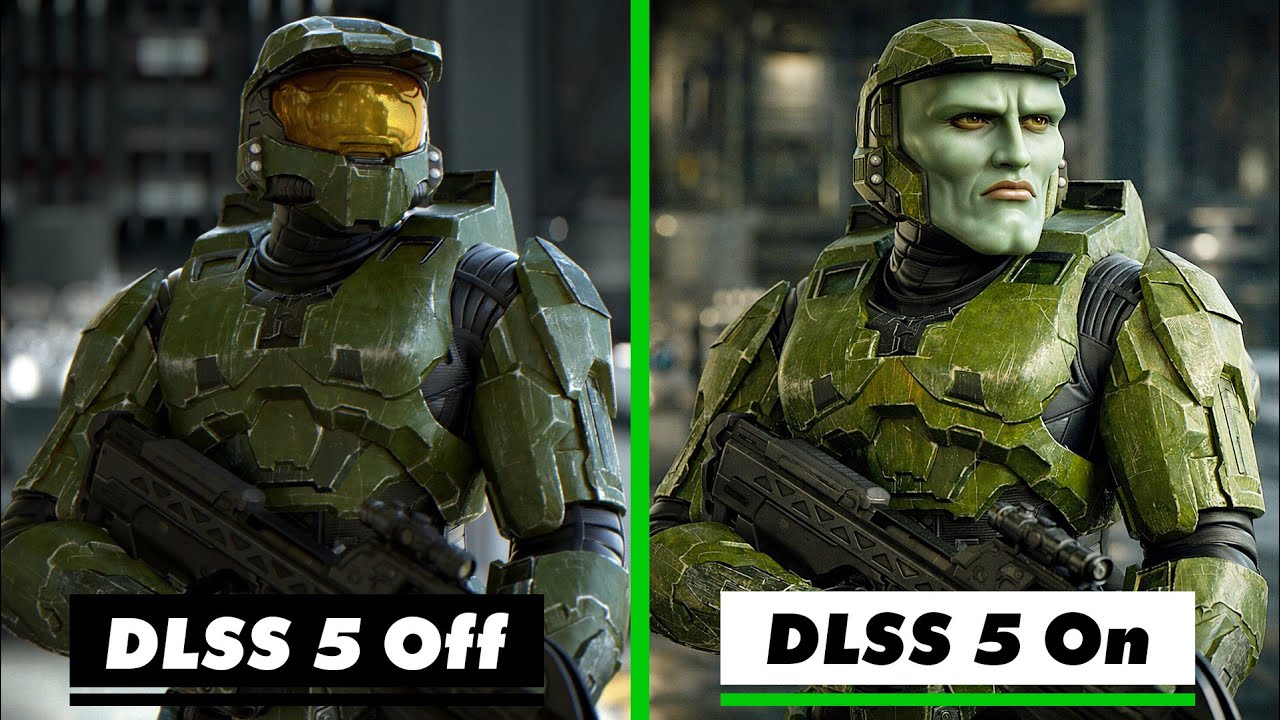
The video argues that DLSS 5 is both genuinely impressive and deeply controversial. The creator says the internet has reacted strongly because the tech appears to dramatically alter in-game visuals in real time, especially characters and lighting, sometimes making games look much better and sometimes raising concerns that it overrides a developer’s intended art style. They also condemn the extreme backlash against coverage of DLSS 5, including death threats and attempts to report videos down, and stress that civil discussion is essential.
A major point of the transcript is that Nvidia has been unusually vague about how DLSS 5 works. The video explains that Nvidia describes it as a “realtime neural rendering model” that adds photoreal lighting and materials, and says it is trained to understand characters, hair, fabric, and translucent skin. But the creator notes that the company’s explanations conflict at times, making it unclear whether the system is changing geometry, textures, lighting, or all of the above.
The creator believes the key concern is artistic control. They argue that because AI systems are trained on large pools of internet images and art, they tend to produce a stylized, averaged, and sometimes “hotified” version of reality rather than something precisely directed by an artist. Using a ChatGPT example, they suggest DLSS 5 may similarly impose a generic visual style on faces and characters, even if the result looks more realistic at first glance. Their worry is that if many games use the same underlying models, games may begin to look increasingly similar.
There are also practical limits discussed. The demos reportedly ran on dual RTX 5090 GPUs, which are expensive and suggest the tech may be far too demanding for most players at launch. The video also points out that DLSS 5 is Nvidia-exclusive, meaning it won’t help on AMD-based consoles, and that developers may not invest much time optimizing for it unless it becomes widely adopted. Even so, the creator thinks it could eventually spread if it is easy for studios to enable with just a few controls.
In the end, the video takes a mixed stance: DLSS 5 is a technical achievement, but it may become a problem if Nvidia does not give developers much more control over style and presentation. The creator fears a future where AI rendering makes many games visually homogenized, though they also acknowledge it could help some games look better, especially those with weaker base visuals. Their final message is that the technology’s success or failure should depend on whether gamers actually like the look, and whether developers can preserve artistic identity while using it.