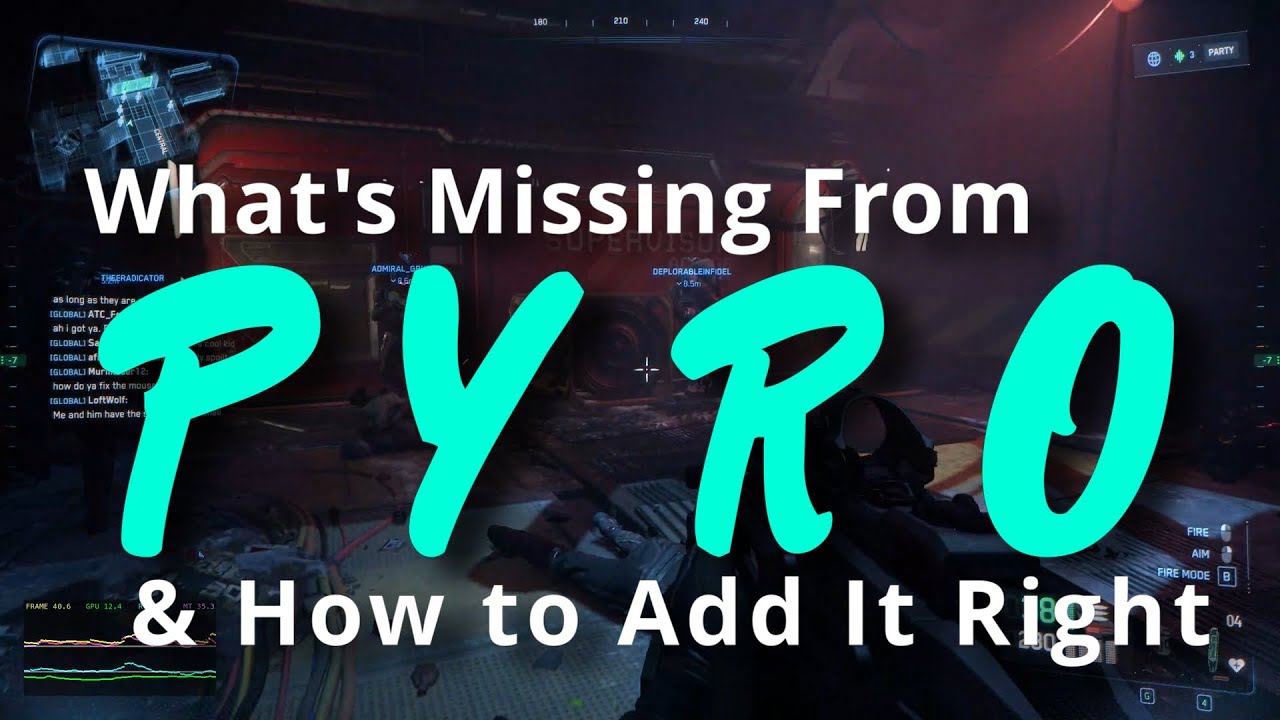
In this video, Daniel Raymond discusses the missing element of Pyro in the game Star Citizen, focusing on the absence of flare storms, which are a crucial part of Pyro’s lore. Pyro is a flare star system known for its harsh conditions, including regular scorching flare storms that have made colonization and development difficult. Early versions of the game included flare storms that disabled ships and caused injuries, but these were removed before Pyro went live because they were too frequent, annoying, and not impactful enough to feel realistic or meaningful.
Daniel argues that for flare storms to be effectively reintroduced, they must be infrequent, unpredictable, and significantly impactful, reflecting real natural disasters. This approach would add realism and depth to the gameplay, reminding players of the dangers of the Pyro system and providing a dynamic event that shapes player behavior and system lore. Importantly, the flare storms should not be announced in advance by the in-game universe but should come with subtle hints and occasional false alarms, adding tension and uncertainty.
He proposes a phased implementation of flare storms, starting with a long period of monitoring and minor maintenance missions (Phase 0), followed by escalating alerts and preparation missions (Phase 1). During these phases, players would engage in activities such as repairing monitoring stations, transporting critical equipment, and preparing shelters. The flare storm event itself (Phase 2) would be a major, multi-day disaster that shuts down commerce, disables systems, and requires emergency medical rescue missions, emphasizing the severity of the event.
After the storm, there would be a recovery phase (Phase 3) where players help repair and resupply the system, gradually restoring normal operations. The speed of recovery would depend on player participation in earlier phases, encouraging engagement throughout the event. This cyclical event structure allows for reuse of the flare storm content without it becoming repetitive or background noise, with long intervals between storms to maintain player interest and incorporate new game features as they are developed.
Finally, Daniel highlights that the flare storm events should evolve alongside the game, integrating new mechanics such as passenger transport missions when they become available. This ensures the events remain fresh and relevant. The video also includes a promotional segment for Southern New Hampshire University’s online computer game design degrees and announces giveaways related to upcoming game events, encouraging viewers to subscribe and participate.