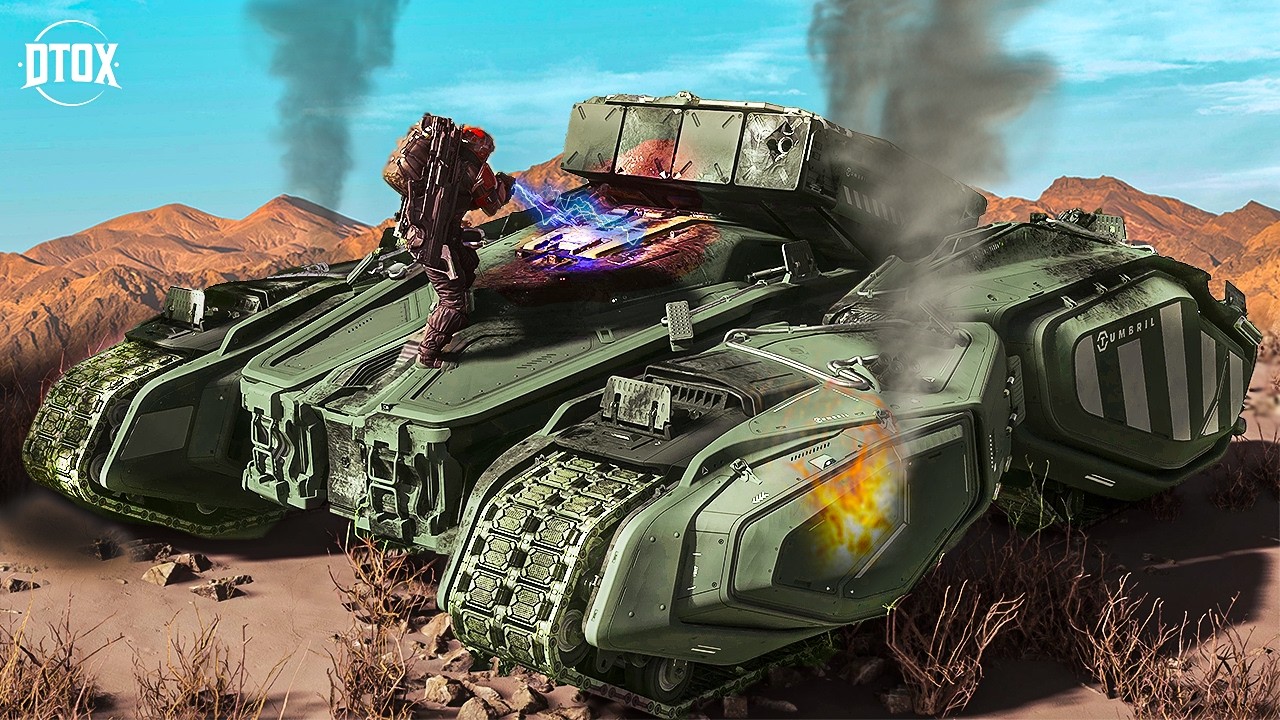
In the Star Citizen 4.6 update, ground vehicles received a significant buff, particularly with the introduction of bespoke surface-to-air (G) missiles designed to enhance their anti-air capabilities. These missiles now feature a drastically reduced minimum lock distance of just 50 meters up to 10 kilometers and improved tuning aimed at making atmospheric anti-air threats more formidable. This was a welcome change for players advocating combined arms gameplay, as it allowed ground vehicles to engage aerial targets more effectively. Additionally, the introduction of engineering mechanics enabled ground vehicles to be repaired and resupplied in the field, increasing their survivability and operational longevity during combat.
The Storm AA tank, Star Citizen’s premier anti-air vehicle, was put to the test in various combat scenarios. Despite its low signature and missile payload designed to apply constant pressure on enemy ships, the new G missiles proved unreliable in tracking and hitting targets during initial field tests. Testing at locations like Hathor and Shepherd’s Rest highlighted these shortcomings, with many missiles failing to lock or connect, and the Storm AA often playing more of a defensive or harassment role rather than delivering decisive strikes.
However, the tank’s resilience and repairability became apparent during combat encounters, allowing players to evacuate, repair, and return to the fight without abandoning their vehicle. This durability was crucial during intense engagements, such as when facing an A1 bomber, where careful maneuvering and persistence allowed the Storm AA to survive and contribute despite underperforming missiles. The ability to resupply missiles in the field further enhanced the tank’s operational effectiveness, marking a significant improvement over previous iterations where running out of ammunition meant vehicle abandonment.
Developer insights revealed that the G missiles had not yet received their specialized tuning, which explained their poor performance in acceleration and tracking at short ranges. In contrast, the Ballista vehicle’s missiles, which had received bespoke tuning, performed much better. Combining the Storm AA’s missile pressure with the Ballista’s precision strikes proved to be an effective strategy, forcing enemy pilots into defensive maneuvers and countermeasures, opening them up for lethal attacks. This synergy showcased the potential of coordinated ground vehicle tactics once the missile tuning is fully implemented.
The video concluded with optimism for the future of combined arms gameplay in Star Citizen, anticipating further improvements to G missiles and ground vehicle capabilities. The ability to repair and resupply vehicles in the field, along with the strategic interplay between different vehicle types, points toward a more dynamic and engaging battlefield experience. The presenter thanked supporters and expressed eagerness to explore these developments as they evolve, highlighting the ongoing commitment to enhancing ground combat within the broader scope of Star Citizen’s evolving gameplay systems.