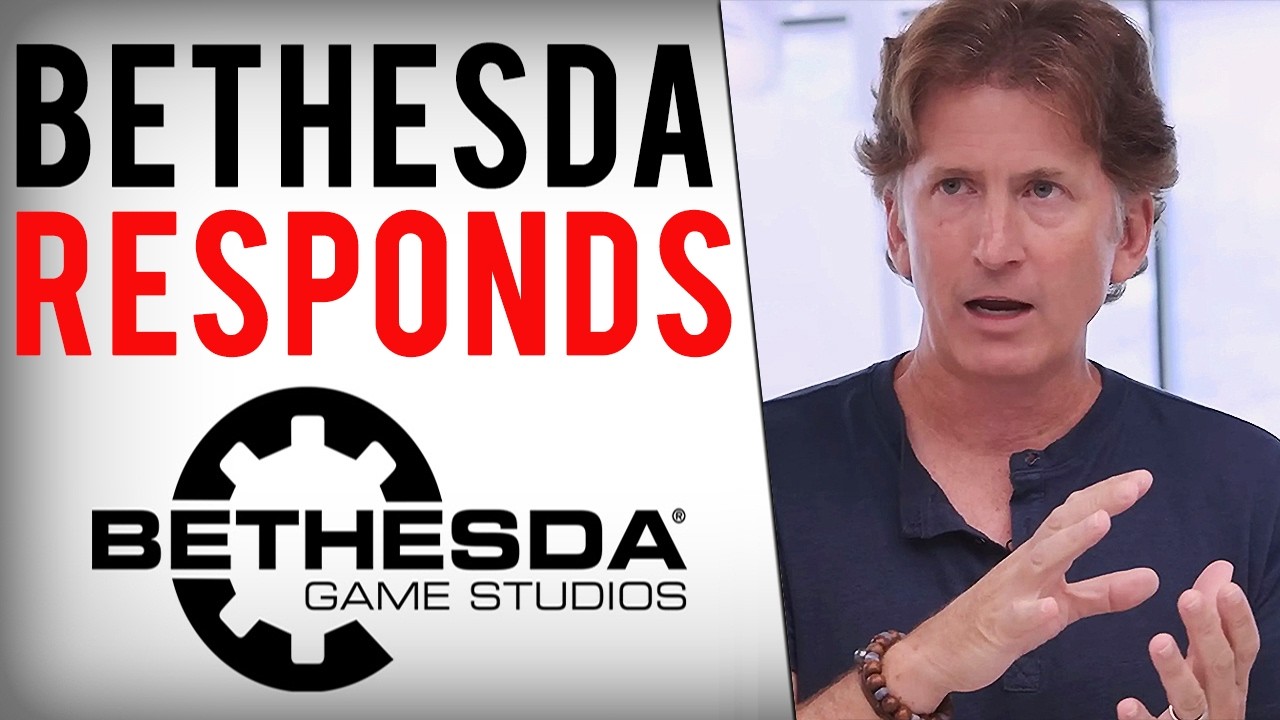
Bethesda Game Studios faces immense pressure with the highly anticipated release of The Elder Scrolls 6, amid skepticism fueled by mixed receptions to recent projects like Starfield and various remastered editions. Todd Howard recently sat down with Greg Miller to address Bethesda’s future, discussing Starfield updates, the development of Elder Scrolls 6, and the studio’s stance on remakes and remasters. Howard emphasized that upcoming Starfield content is not a massive overhaul or “Starfield 2.0,” but rather incremental updates aimed at enhancing the game without fundamentally changing its core experience. He acknowledged Starfield’s flaws, particularly regarding exploration, and suggested that fixing these issues would require years of redevelopment, which is not feasible.
Howard also touched on Bethesda’s evolution as a developer, noting that while games like Fallout 76 and Starfield represent creative detours, the studio is returning to its classic formula with Elder Scrolls 6. However, he avoided directly addressing whether they are incorporating modern RPG elements like those seen in Baldur’s Gate 3 or The Outer Worlds, instead focusing on improving technology and world systems within their established style. This leaves some fans concerned that Elder Scrolls 6 might feel like an extension of Skyrim rather than a groundbreaking sequel, especially given the long gap since the last installment.
Regarding Elder Scrolls 6’s development, Howard revealed that the game has passed a significant internal milestone and that most of the studio is now focused on it. While he expressed confidence in the team, including many veterans from Skyrim’s development, he refrained from providing detailed insights, suggesting the game is still years away from release. He also highlighted the blend of experienced developers and new talent at Bethesda, aiming to balance legacy knowledge with fresh perspectives.
On the topic of remakes and remasters, Howard made it clear that Bethesda is unlikely to pursue full remakes of older titles like Morrowind or Fallout 1 and 2, preferring remasters that preserve the original games’ identity. Despite Bethesda’s history of multiple remastered editions, he expressed a cautious approach to altering classics too drastically. Additionally, he mentioned ongoing Fallout projects but did not provide specifics, fueling speculation about potential remasters or spin-offs.
Finally, Howard addressed Bethesda’s use of AI, focusing on machine learning rather than content generation, and admitted that announcing Elder Scrolls 6 early was a strategic move to reassure fans amid Fallout 76’s multiplayer focus. He hinted at upcoming Starfield content arriving soon and suggested that Elder Scrolls 6 would likely receive a more traditional marketing rollout closer to launch, avoiding early reveals like those for Starfield. Overall, while Howard’s interview provided some updates and reassurances, many questions remain about Bethesda’s future direction and how they will meet the high expectations for their next major releases.