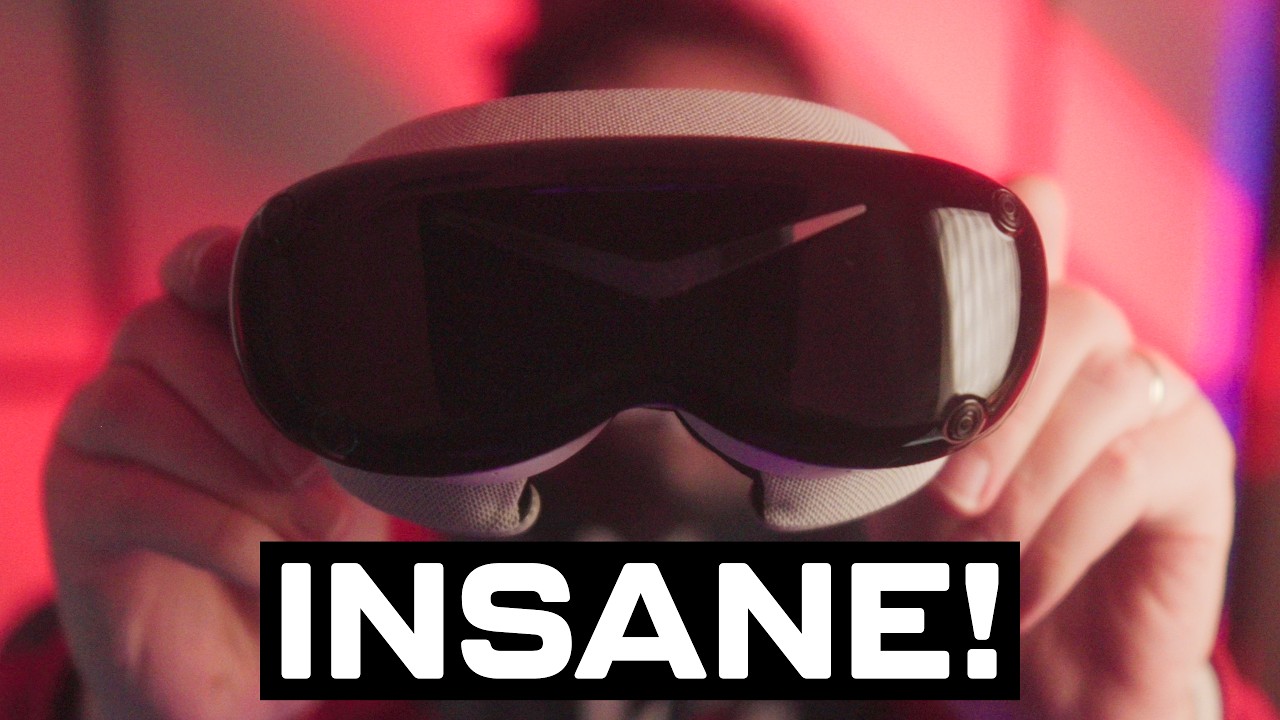
The video discusses the creator’s experience with the Pimax Dream Air VR headset, which he considers the Star Citizen VR experience he had been hoping for. After testing several VR headsets including the Quest 2, Quest 3, and Pimax Crystal Super, he found the Dream Air to be a significant improvement, especially in terms of weight and comfort. Unlike the bulky Crystal Super, the Dream Air is much lighter at 170 grams, allowing for extended play sessions without discomfort. The creator managed to play for two hours straight, finding the headset comfortable enough to handle the rapid head movements required in Star Citizen.
However, there are some caveats regarding comfort and usability. The face interface of the Dream Air isn’t the final production version and can be somewhat uncomfortable as it digs into the face, though Pimax plans to improve this. The cable setup is also less than ideal for a space sim like Star Citizen, as the cable can get caught or pull on the back of the head during fast head movements. The creator suggests finding a way to manage the cable or hopes for a future wireless solution, though current image quality demands a wired connection.
In terms of image quality, the Dream Air delivers a much sharper and clearer visual experience compared to previous headsets, including the Quest 3 and Pimax Crystal Super. The sweet spot is larger, and the detail visible in-game is striking, surpassing even a 4K monitor in clarity. While the edges of the display are less clear, the creator found that adjusting the in-game UI helped mitigate this. Overall, the headset offers an immersive and visually impressive experience that greatly enhances the Star Citizen gameplay.
Performance-wise, the headset demands a powerful PC, ideally with a next-generation GPU like the RTX 5090 or even 6090, to run smoothly. The high pixel count requires heavy reliance on upscaling and frame generation technologies to maintain acceptable frame rates, with the creator noting that even his RTX 5080 setup needed these aids. Fixed foveated rendering, a technology that could improve performance by rendering only the part of the screen the user is looking at, is not yet supported in Star Citizen and may not arrive until late in the year or beyond.
Ultimately, the Pimax Dream Air is positioned as a premium VR headset for serious enthusiasts with high-end PCs and a substantial budget. It is not recommended for casual users or those new to VR due to its high cost and performance demands. The creator is genuinely impressed by the headset’s visual quality and comfort but advises viewers to research extensively before purchasing. He expresses sadness about having to return the headset but remains hopeful to use it through the release of Squadron 42, highlighting it as the best VR experience currently available for Star Citizen.