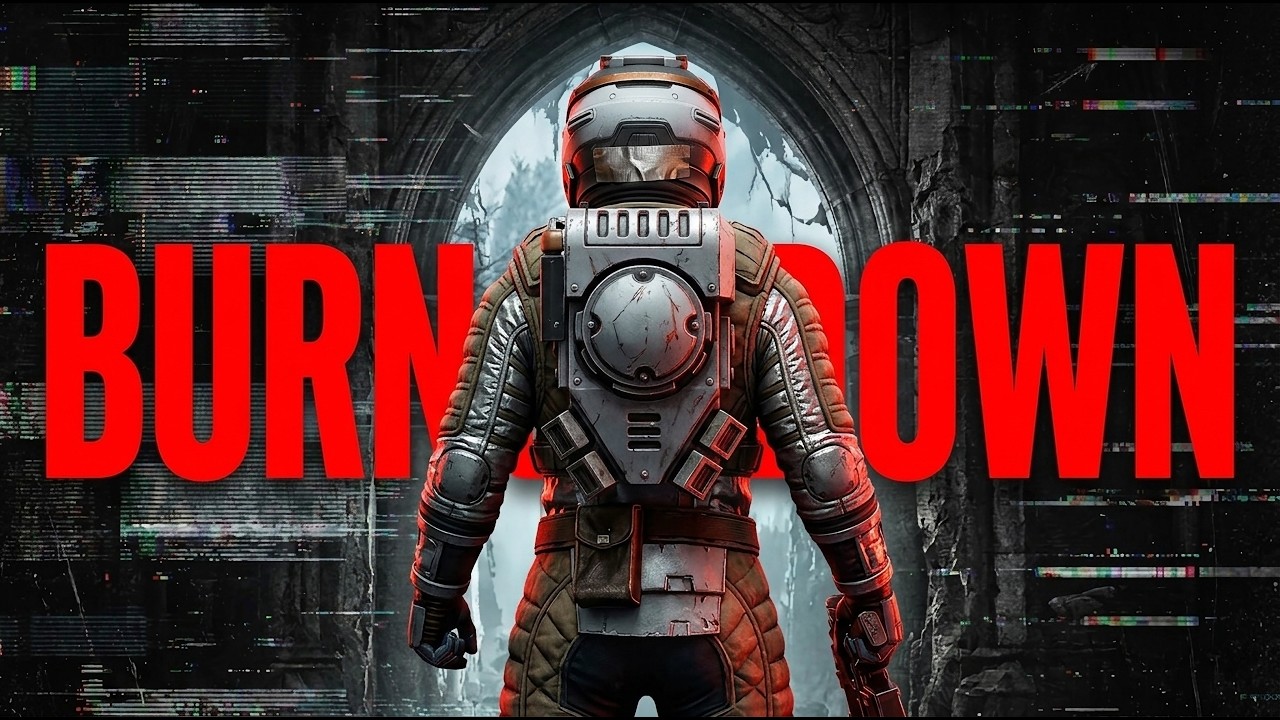
The video discusses the recent updates to Bethesda’s Starfield, including the free lanes update and the Terran Armada expansion, which introduced new content such as improved space battles and a cruise mode. While these additions have been praised by the gaming press and fans, the creator argues that they fail to address the core issues of the game. Bethesda’s chief creative producer Timothy Lamb warned that these updates do not constitute a true “version 2.0” because they merely add surface-level improvements without fixing the broken gameplay loop. The fundamental mechanics and user experience remain unchanged, resulting in a repetitive and uninspired gameplay experience.
Drawing a comparison with how CD Projekt Red revitalized Cyberpunk 2077 through its 2.0 overhaul, the video highlights the necessity of deep systemic changes rather than incremental content additions. Cyberpunk 2.0 rebuilt critical systems such as combat mechanics, skill trees, and AI behavior, fundamentally altering how the game feels and plays. In contrast, Starfield’s updates are described as a “shiny coat of paint” that leaves the underlying issues intact, such as clunky menus, repetitive planetary exploration, and uninspired combat interactions. The video stresses that without addressing these foundational problems, Starfield cannot evolve into a truly engaging and modern RPG.
The creator proposes three major pivots Bethesda must undertake to save Starfield. First, adopting a “No Man’s Sky” approach to make outposts integral to survival, requiring players to physically interact with environments rather than managing isolated economies through menus. Second, revamping the skill tree system in a manner similar to Cyberpunk’s overhaul, replacing passive percentage buffs with active, kinetic abilities that change combat dynamics and traversal. Third, improving the space travel experience by streamlining menu navigation and incorporating immersive loading mechanics that make travel feel like actual travel, rather than tedious menu clicks and black loading screens.
The video also critiques the outdated “Bethesda charm” that once excused technical flaws and clunky interfaces due to the immersive worlds and organic exploration. However, in today’s gaming landscape, players expect seamless universes, meaningful narrative choices, and visceral combat. Starfield’s reliance on nostalgia and minor expansions is inadequate to meet modern standards. The creator argues that Bethesda must confront the reality that their core game design philosophy is flawed and that continuing to patch over these problems will only lead to further player attrition.
In conclusion, the video passionately calls on Bethesda to take bold action by completely overhauling Starfield’s broken systems rather than adding superficial content. The talent and resources are available to transform the game into a generational space RPG, but it requires the humility to admit past mistakes and the courage to rebuild from the ground up. The video ends with a hopeful note encouraging Bethesda to “burn it down” and start fresh, emphasizing that only such a radical approach can save Starfield and secure its future in the competitive RPG market.