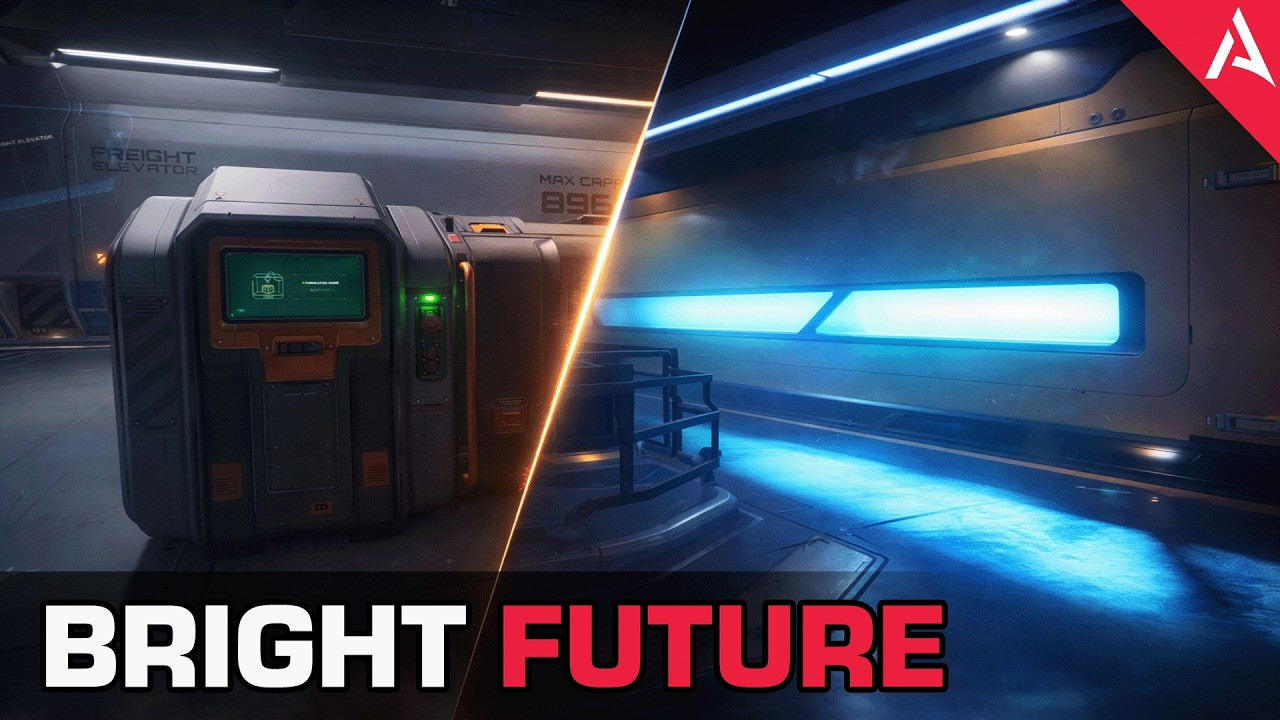
The upcoming crafting system in Star Citizen, set to release in patch 4.7, promises to be far more detailed and immersive than many players expect. A key focus is on refining the gathering mechanics, particularly mining and salvage. Mining will evolve to feature more specific, biome-based resource deposits, such as distinct titanium or copper rocks, rather than mixed-resource nodes. This change will make it easier and more logical for players to find quality materials needed for crafting. Additionally, the mining resources will be profession-specific, meaning ship miners, FPS miners, and ground vehicle miners will each find unique materials relevant to their roles, encouraging diverse gameplay loops.
Salvage will also be revamped to complement crafting, allowing players to dismantle ships and structures to reclaim materials used in their construction. This ties into the crafting loop by enabling players to recycle components from stolen or destroyed items, although some rare or volatile materials used in crafting will not be recoverable. The system aims to balance realism with gameplay by ensuring that players can scavenge useful parts without trivializing the effort needed to craft high-tier items. This dismantling and reclaiming approach adds depth to the crafting economy and encourages players to engage with different gameplay styles.
Blueprints in Star Citizen crafting will have various types and tiers, with some being upgradable through research or special upgrade blueprints. Creation blueprints allow players to craft items at different quality and tier levels, with higher tiers requiring more advanced materials but offering better stats and customization options. Players can upgrade items incrementally or craft them directly at a higher tier, with the upgrade process designed to be resource-efficient. The blueprints also feature modular aspects, letting players choose materials for specific parts of an item to influence different stats, adding a layer of strategic customization to the crafting process.
Insurance and item durability will play a significant role in balancing the risk and reward of crafting and upgrading items. Basic insurance covers only the base tier of a ship or item, while higher-tier upgrades are not covered and can be lost if the item is destroyed. Players can choose to carry lower-tier insured items for safety or risk using high-tier customized gear for better performance but with the chance of permanent loss. This system mirrors mechanics from games like Eve Online, adding a realistic and strategic element to item management and encouraging careful decision-making about when and where to deploy valuable crafted gear.
Finally, player trading and base building are closely linked to the crafting system’s future. Bases will serve as hubs for crafting, storage, and player-run shops, with advanced trading features such as physical shops, terminals, and mobile apps to advertise and fulfill buy and sell orders. This will foster a player-driven economy where crafted items can be bought, sold, and delivered, enhancing the social and economic dynamics of the game. Terrain manipulation for base building will be limited to preserve strategic location scouting, with foundation tiles used to create buildable flat areas. Overall, the crafting system is shaping up to be a complex, rewarding, and integral part of Star Citizen’s evolving gameplay experience.