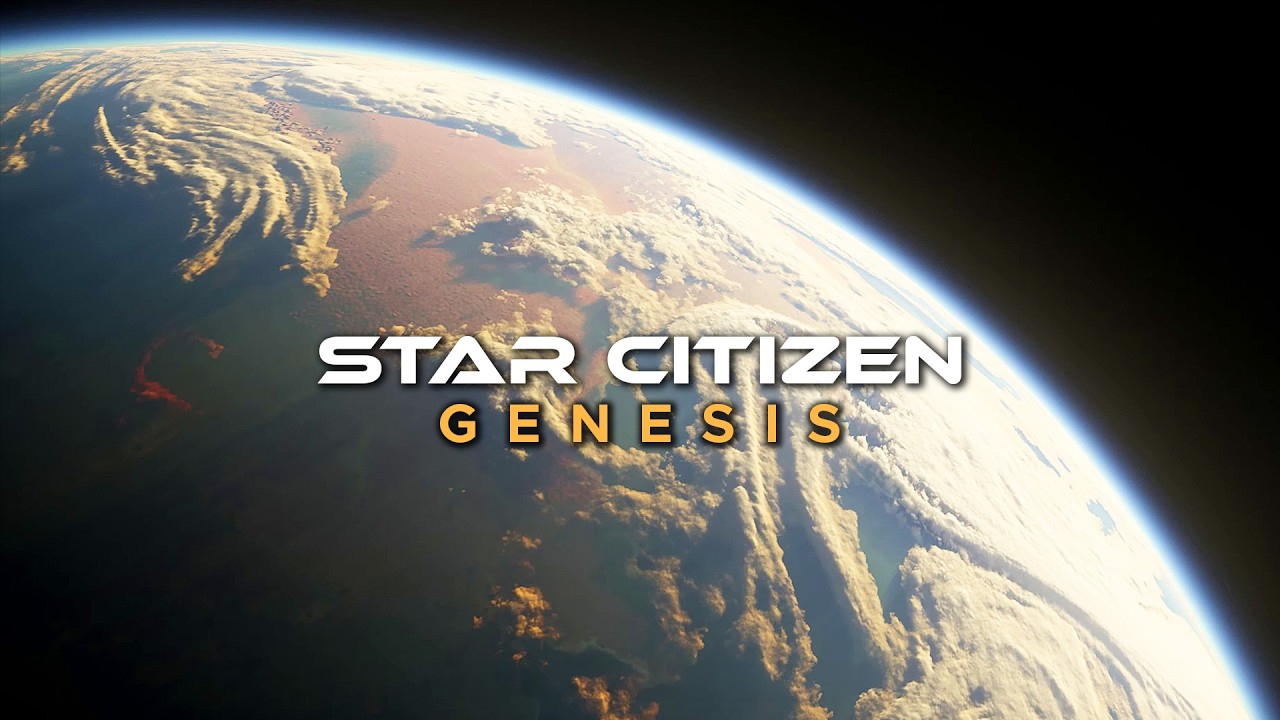
The video provides an in-depth reaction and breakdown of the latest Star Citizen planetary technology update, focusing on Genesis, the system used to procedurally generate and craft planets within the game. The host explains that Genesis represents a paradigm shift in how planets are created, moving away from handcrafted biomes to ones generated based on extensive real-world data sets including height maps, humidity, temperature, soil type, solar exposure, geology, and erosion. This data-driven approach allows biomes and assets like forests and rocks to spawn naturally according to environmental criteria, enhancing realism and immersion.
One of the key highlights is the improved biodiversity and environmental detail Genesis brings to planets, exemplified by the upcoming Nix system. The hero planet in this system features diverse biomes such as rocky mountains, dense forests, grasslands, wetlands, and swamps, each with unique characteristics influenced by the procedural generation technology. The video emphasizes the significant advancements in asset variation, density, and placement, such as rocks being distributed logically based on geology rather than randomly scattered, and grass blades growing with realistic orientation and shading.
The discussion also covers technical improvements like the introduction of medium tiles that add micro-terrain detail to the existing large-scale terrain, allowing for more complex and unique landscapes. Additionally, the system uses virtual terrain (VT) caching to manage terrain and vegetation rendering at different distances, ensuring smooth transitions and consistent quality from space down to ground level. This technology also supports GPU spawning, enabling vast quantities of vegetation and ground cover without compromising performance.
Lighting and shading enhancements are another important aspect, with grass and other flora now shaded more realistically, similar to fur or hair, improving their appearance both up close and from a distance. The video highlights how these combined technologies maintain high visual fidelity while managing level of detail (LOD) changes effectively, minimizing noticeable pop-in or quality degradation during gameplay. This attention to detail contributes to creating immersive and believable planetary environments.
In conclusion, the host expresses excitement about the potential of Genesis to accelerate the development of new star systems and planets in Star Citizen by providing a robust, data-driven toolkit that can be adapted and expanded efficiently. The video underscores the continuous evolution of this technology and its role in delivering the scale, quality, and exploration depth that players expect. Viewers are encouraged to subscribe and engage with the channel for more updates and discussions on Star Citizen’s ongoing development.