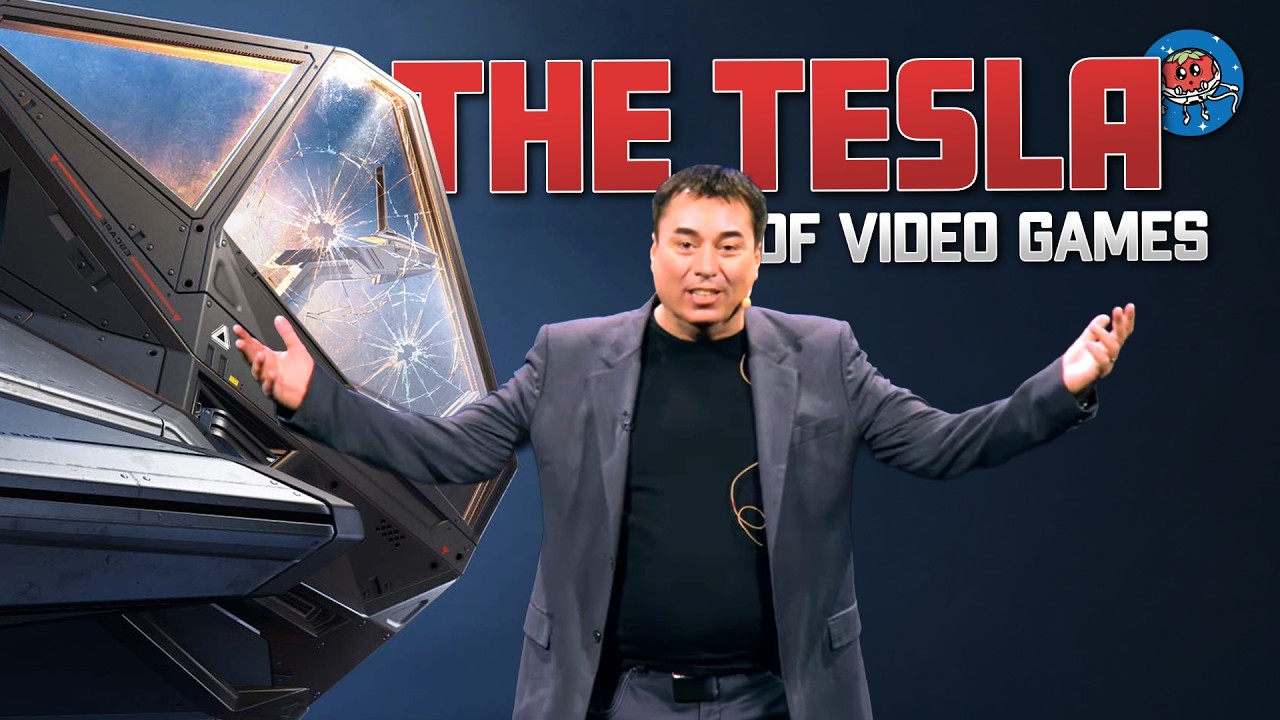
The video draws a parallel between Cloud Imperium Games (CIG), the developer behind Star Citizen and Squadron 42, and Tesla, highlighting how both companies began with innovative technology that set them apart in their respective industries. Tesla leveraged the Lotus Elise platform to build its first car, while CIG developed the Star Engine by heavily modifying Cry Engine technology. Both companies created unique infrastructures—a Supercharger network for Tesla and server meshing technology for CIG—that initially gave them a competitive advantage. However, the video cautions that such moats are not permanent, as competitors continue to catch up and innovate.
CIG has built a dedicated fanbase through ambitious projects, extensive marketing, and community engagement, similar to Tesla’s approach with its referral programs and high-profile events. Both companies have faced criticism for missed deadlines, showmanship, and spending large sums of money, often leading to polarized public opinions. The video notes that while Tesla has released products, CIG is still awaiting the release of its first major product, Squadron 42, which adds pressure and uncertainty to its trajectory.
The discussion emphasizes the importance of maintaining focus on core goals amid external pressures and distractions. For CIG, this means balancing the ambitious scope of Star Citizen with the expectations of its fanbase, avoiding alienation by shifting too far from the game’s original vision. The video warns against over-releasing ships or features that may dilute the game’s quality or confuse players. It also highlights the delicate nature of CIG’s funding model, which relies heavily on pledges and ship sales, sometimes causing dissatisfaction among supporters.
Looking ahead, the video suggests that while CIG shows promising signs—such as progress on the game engine, a clearer roadmap for version 1.0, and continued community involvement—there are still risks of losing direction, especially given the volatile nature of the video game industry. The release of Squadron 42 is a critical milestone that could significantly impact the company’s future. The video hopes that CIG remains true to its original vision and continues to prioritize the player experience over chasing new trends or distractions.
In conclusion, the video presents an insightful comparison of two tech-driven companies operating at vastly different scales but facing similar challenges related to innovation, market expectations, and community management. It acknowledges CIG’s unique position in the gaming industry with the freedom to experiment and engage directly with its audience. The video ends on a hopeful note, encouraging viewers to follow the ongoing journey of Star Citizen and Squadron 42, while recognizing the complexities and uncertainties that lie ahead.