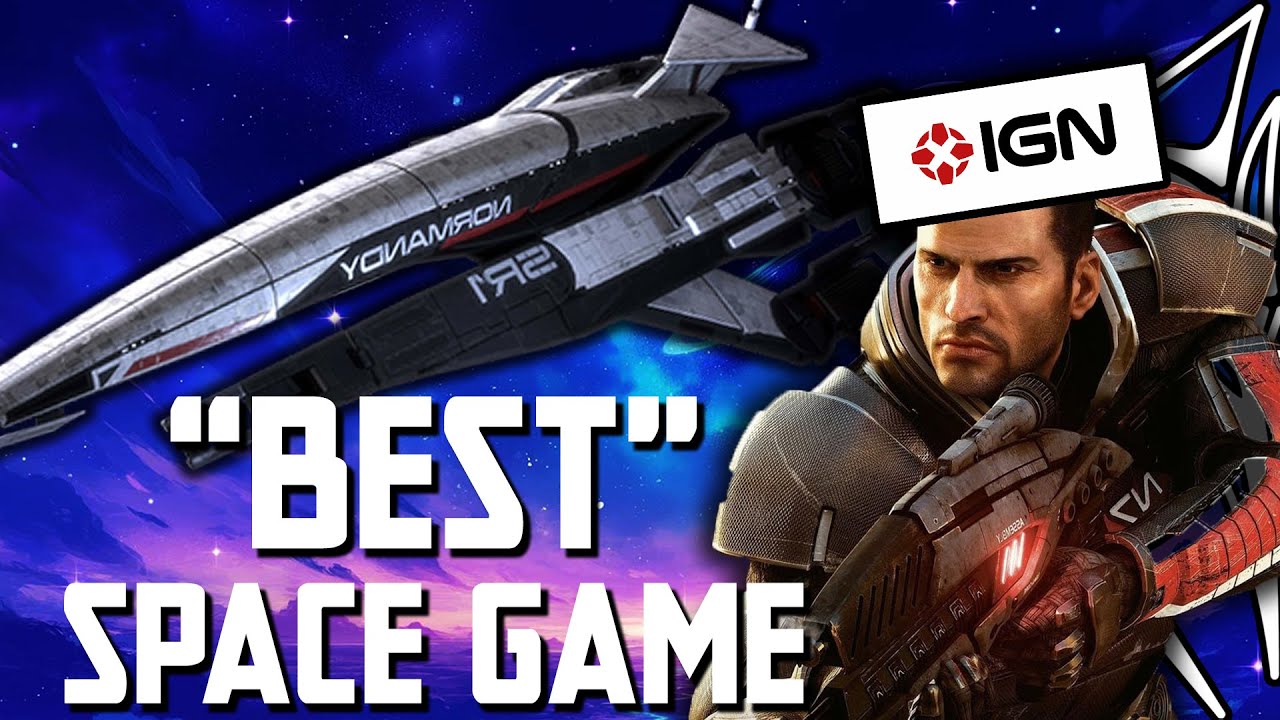
In the video, the host discusses the question of what constitutes the “best” space game, referencing a list created by IGN. The host humorously critiques various matchups presented in IGN’s face-off format, where players vote between two games to determine which one is superior. Through this lens, the host evaluates notable space games, including “Starfield,” “X3,” “Kerbal Space Program,” and “Mass Effect 2,” while expressing strong opinions about the quality of each title. The commentary is laced with sarcasm and frustration, particularly regarding the inclusion of games that the host feels do not belong in the space game category.
The host expresses disdain for certain matchups that seem illogical, such as comparing “Astron” to “Call of Duty: Infinite Warfare,” which the host finds absurd. As the video progresses, the host emphasizes the historical significance of games like “X-Wing” and “Elite,” arguing that their contributions to the genre should not be overlooked. The discussion also touches on the evolution of space games, highlighting how titles like “No Man’s Sky” have improved over time, while others, like “Starfield,” have fallen short of expectations.
Throughout the video, the host critiques the IGN list for perceived biases and inconsistencies, suggesting that the rankings do not accurately reflect the community’s preferences. The host points out that some games are ranked higher than they deserve, while others, like “Elite Dangerous,” are placed lower despite their historical importance. The commentary reveals a deep-seated frustration with the gaming industry’s tendency to overlook classic titles in favor of newer, less deserving entries.
In addition to discussing the games, the host brings up recent controversies surrounding IGN’s voting systems and the manipulation of user votes in their Game of the Year polls. The host shares examples of unusual voting patterns that suggest tampering, leading to questions about the integrity of the voting process. This criticism highlights broader concerns about how gaming media can influence public perception and the validity of their rankings.
Ultimately, the video serves as both a critique of IGN’s methodology and a passionate defense of classic space games. The host encourages viewers to consider the historical context and gameplay quality when evaluating the best space games, rather than simply relying on popular opinion or media rankings. With a blend of humor and frustration, the video invites viewers to engage in a deeper discussion about the space gaming genre and its evolution over the years.