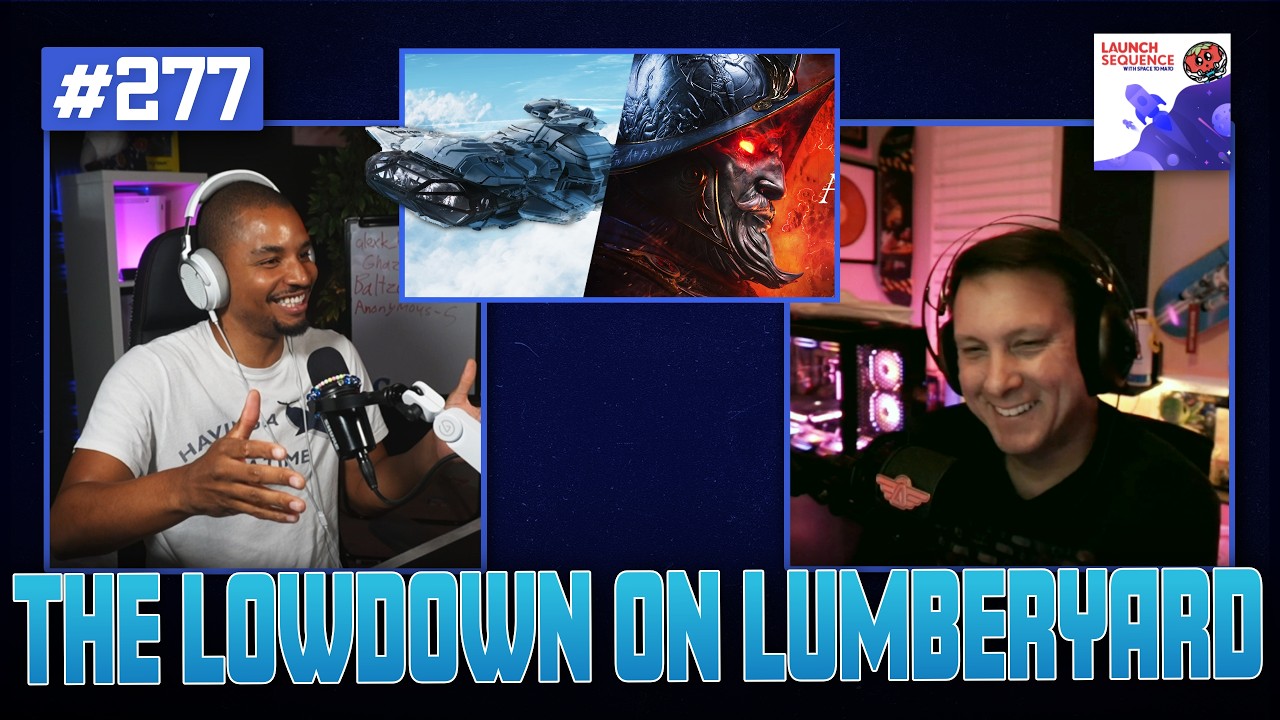
In this in-depth episode of the Launch Sequence podcast, the host interviews game developer Cartto to discuss the current state and future of Star Citizen, as well as insights from his extensive experience in game development. Cartto shares his 15-plus years in the industry, highlighting his work on titles like Defiance, PlanetSide 2, H1Z1, and New World, and how he first became interested in Star Citizen back in 2014. The conversation begins with reflections on level design, where Cartto praises the simplicity and effectiveness of classic maps like Blood Gulch from Halo, emphasizing the importance of solid design over complexity.
The discussion then shifts to recent developments in Star Citizen, particularly the challenges faced in 2026 with rough patches and problematic ship releases such as the Moth and Ironclad. Cartto critiques the game’s testing process, especially the restricted access to the Public Test Universe (PTU), suggesting that opening it fully to all players could improve bug detection and overall quality. Communication from Cloud Imperium Games (CIG) is also a major point, with Cartto stressing that transparent and consistent communication could alleviate community frustration, even if it doesn’t immediately fix technical issues.
Cartto draws parallels between Star Citizen and his past experiences on PlanetSide 2 and New World, noting similar struggles with technical debt, tool complexity, and development churn. He explains how a lack of publisher pressure allows CIG to continue iterating and reworking features extensively, sometimes to the detriment of progress. The conversation touches on the challenges of managing a large, ambitious project without clear deadlines, and how the ongoing split of resources between Star Citizen and Squadron 42 might be impacting development focus and community expectations.
A significant portion of the talk centers on gameplay and player interaction in Star Citizen, particularly the open-world PvP environment and its impact on industrial players who seek a more relaxed experience. Cartto notes the difficulties in balancing these player types and the need for in-game systems to mitigate risks and provide viable alternatives, such as player-driven markets. He also highlights the importance of a functioning economy with balanced sinks and faucets, which Star Citizen currently struggles with, alongside technical issues like freight elevators and cargo missions that have persisted for years.
Towards the end, Cartto reflects on the immense potential of Star Citizen, acknowledging its unique scope and ambition but also warning that this potential can be a double-edged sword, creating ever-increasing expectations that may never be fully met. He predicts a quieter development period towards the end of the year, with possible delays for Squadron 42, especially given the competitive release window against major titles like Grand Theft Auto. Despite the challenges, Cartto remains hopeful but realistic, emphasizing that the community’s continued support hinges on improvements, communication, and the eventual delivery of a polished, playable game.
Useful Links