Release View
Alpha 4.11
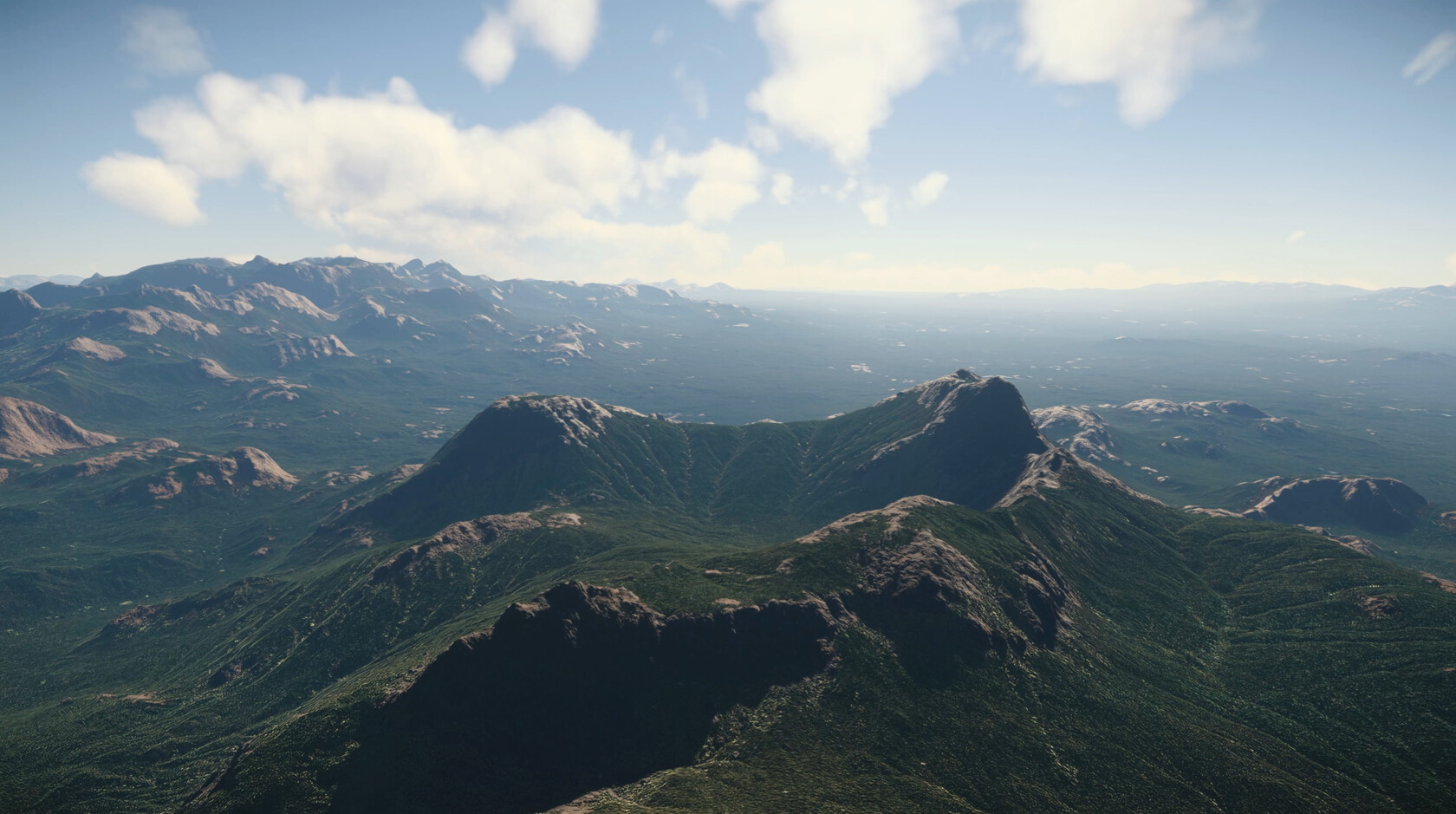
Nyx I
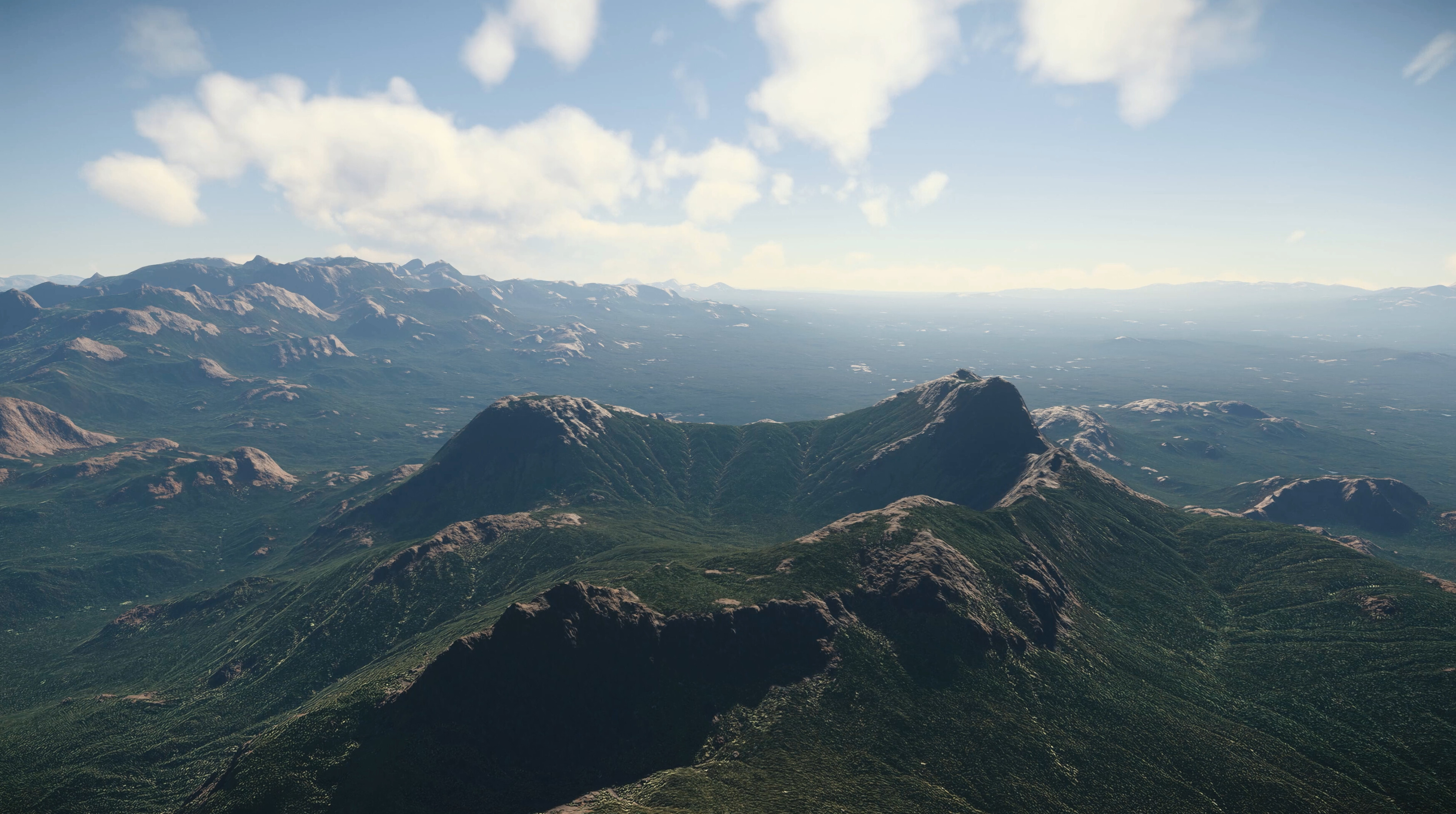
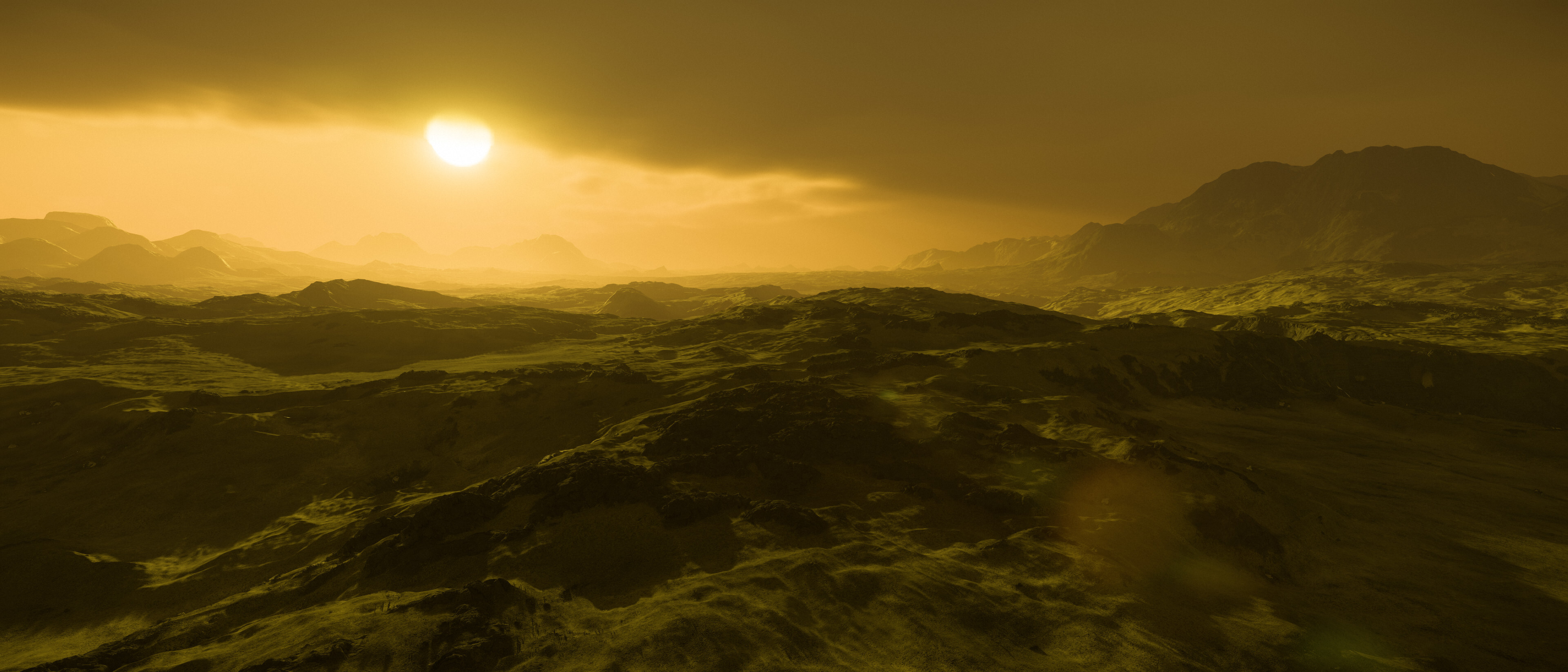
Nyx I is a coreless planet that orbits closest to the sun in the Nyx system. Once considered impossible to terraform, Nyx I has undergone a drastic transformation thanks to new experimental technology developed by Genesis Terraforming and now features a robust ecosphere capable of supporting a wide diversity of life.
This card has been set to Tentative.
Starchitect Mission Pack
Implementing new sandbox missions across sprawling planetary locations designed to keep players planetside for longer, with focus on more localized objectives.
This card has been set to Tentative.
Genesis: Planet Tech v5
Implementing Planet Tech V5, a complete rework of how planets are built, populated, and rendered. Introducing emergent biomes driven by realistic physical properties, and scattering plants and rocks according to their natural behaviour, reworking terrain shading across materials like sand, dirt, rock, and snow, and moving generation and spawning to the GPU to support denser environments with improved rendering performance.
This card has been set to Tentative.
Genesis: Starchitect
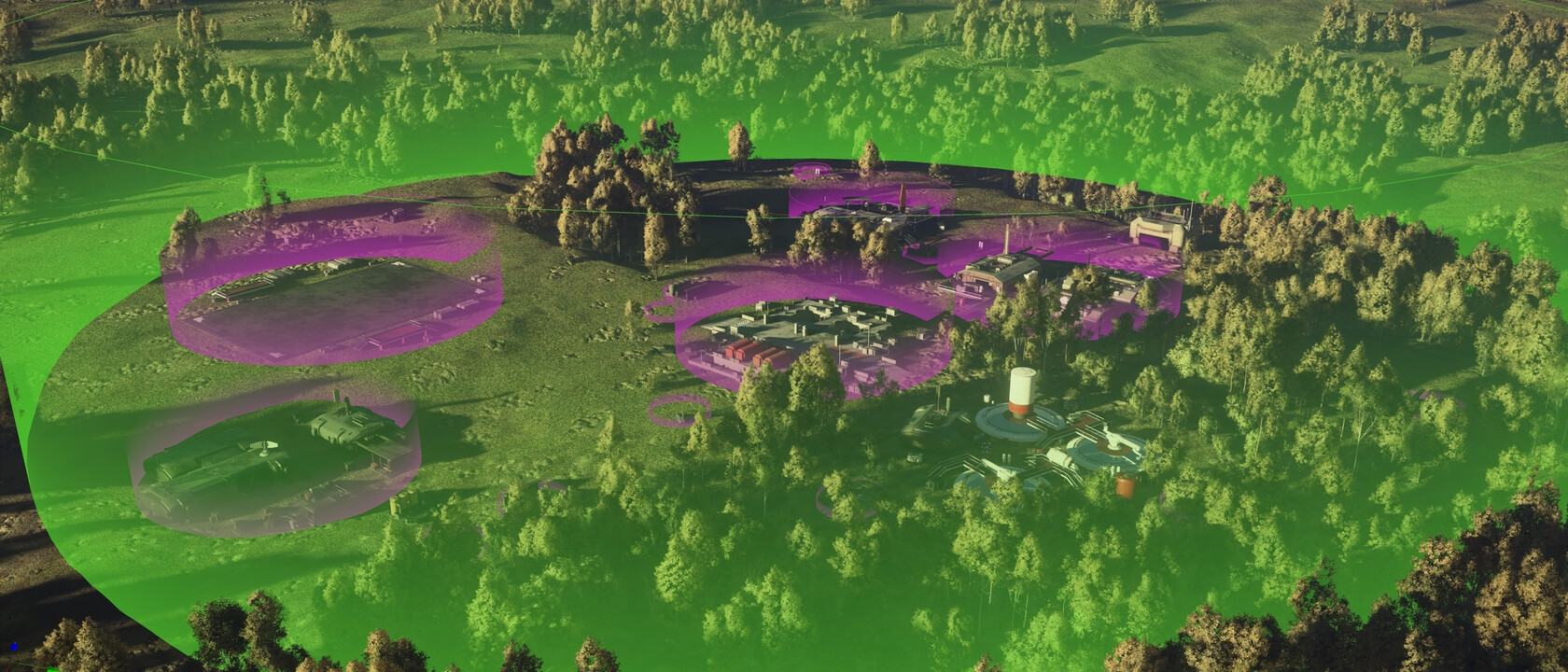
Implementing Starchitect, a new procedural world-building system that automatically scatters sectors, clusters, and locations across planetary bodies while constructing locations from modular tiles. Using Genesis data to identify suitable placement for game objects, Starchitect introduces a new workflow for populating planets and building large-scale locations across an expanding universe.
This card has been set to Tentative.
Genesis: Population Manager
Implementing the Population Manager tech. Its primary goal is to load balance the server population and create inhabitants appropriate to their local environment, while enabling more complex interactions between agents focused on a dynamic context.
This card has been set to Tentative.
Starchitect POIs
Implementing new ground locations owned by various factions, offering a variety of procedurally generated combinations of building compositions. These will support a wide variety of mission archetypes and gameplay loops.
This card has been set to Tentative.
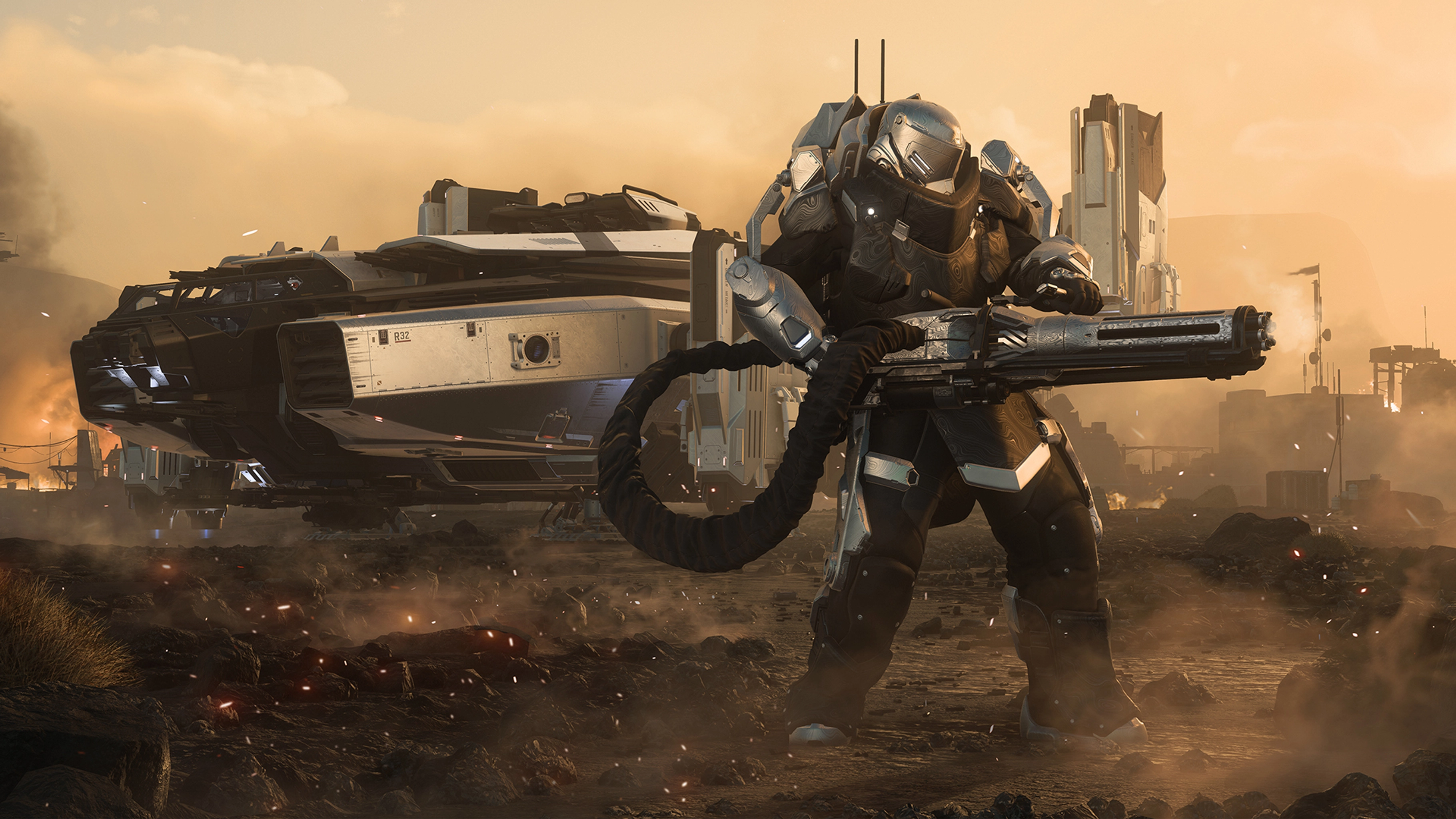
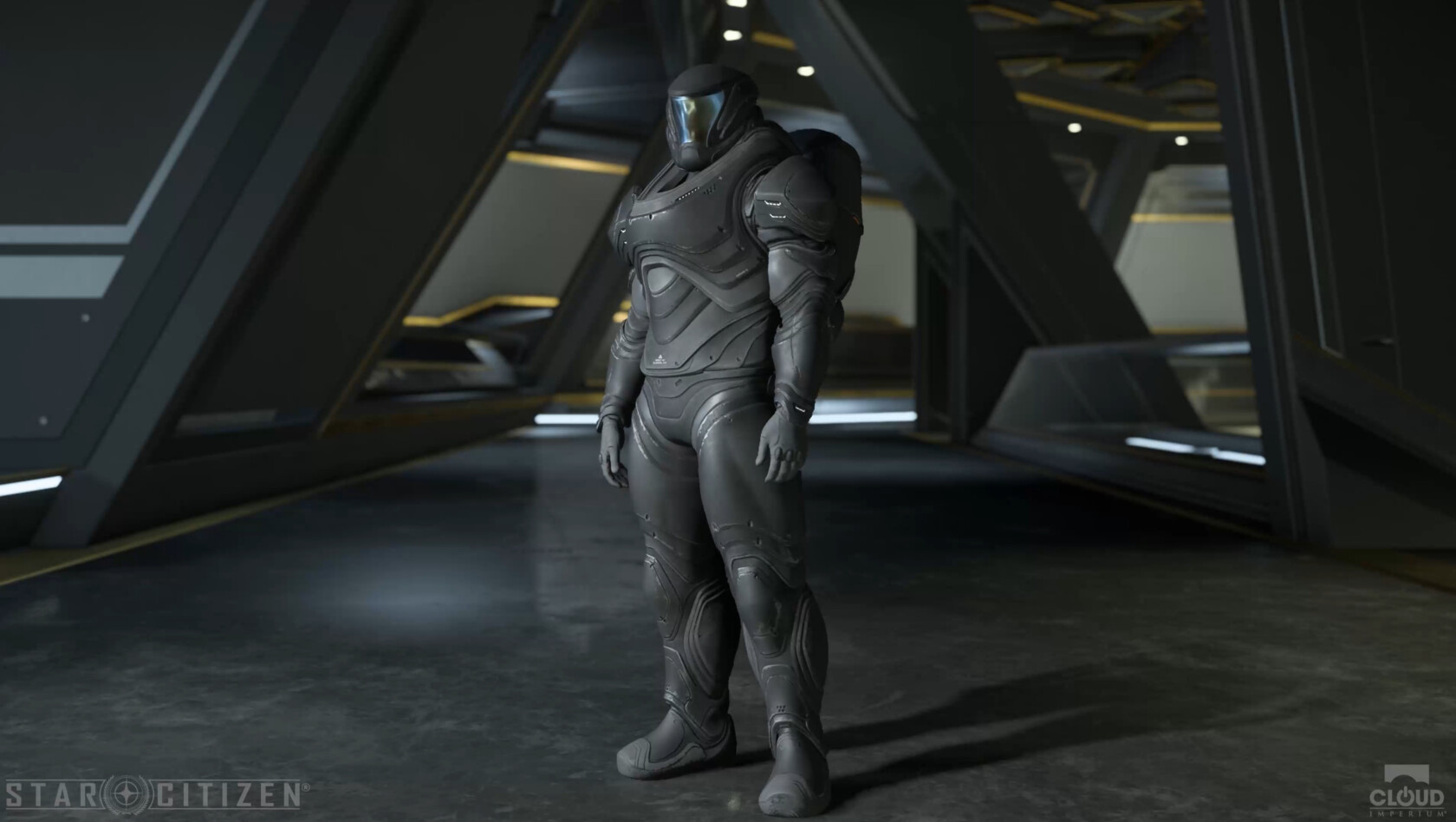
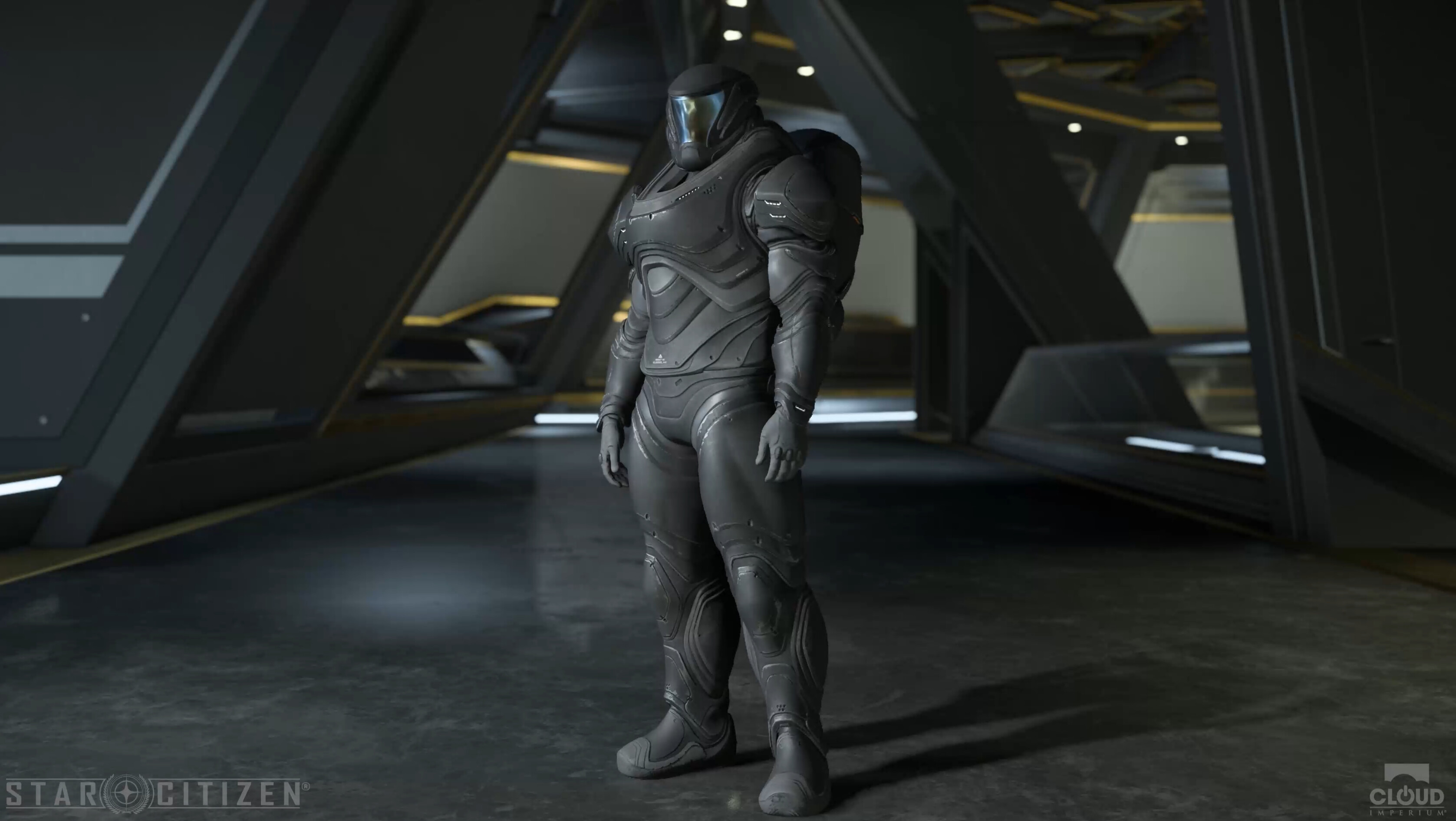
Heavy Combat Armor
Implementing a heavy combat armor in the persistent universe.
This card has been set to Tentative.
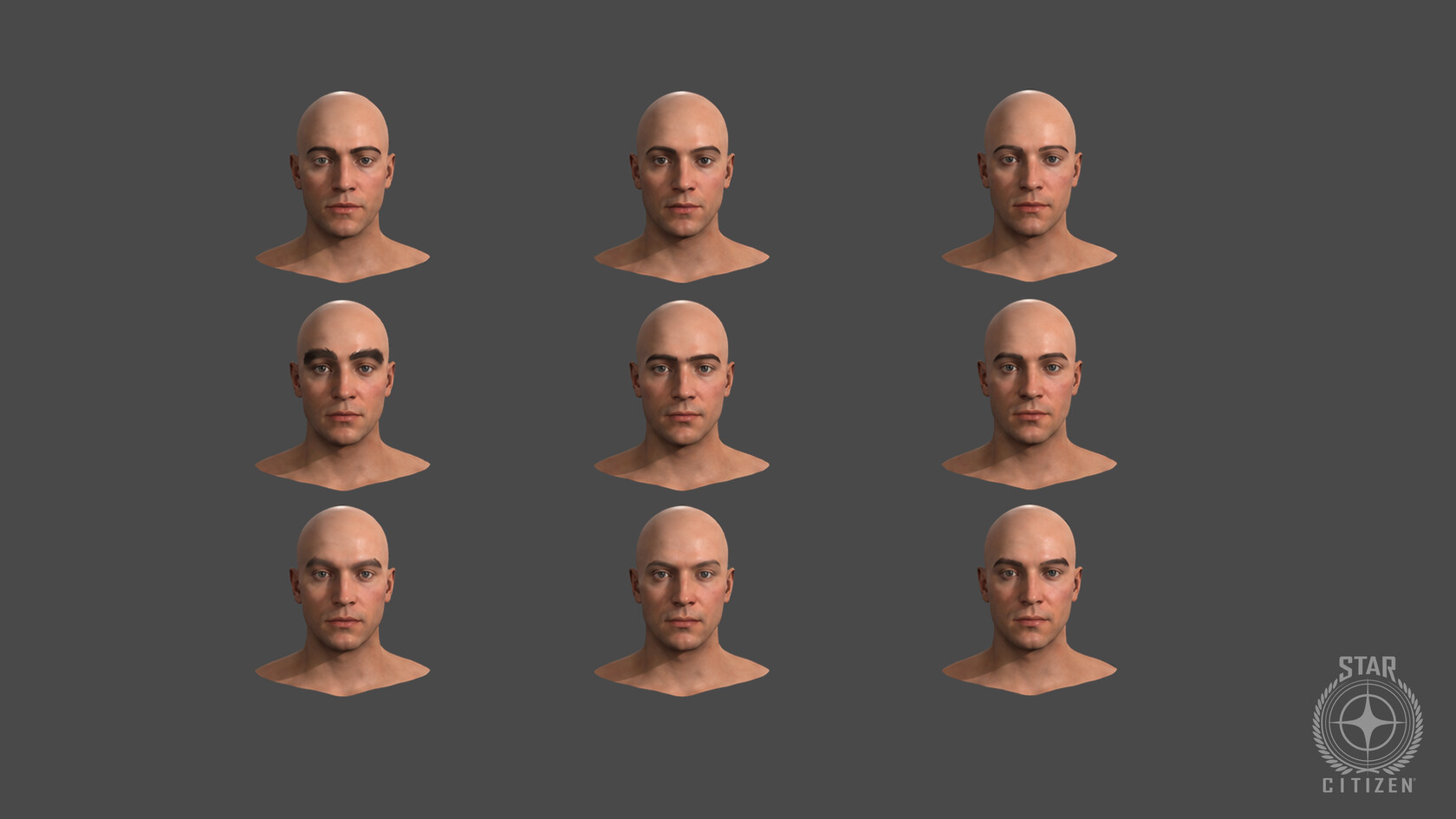
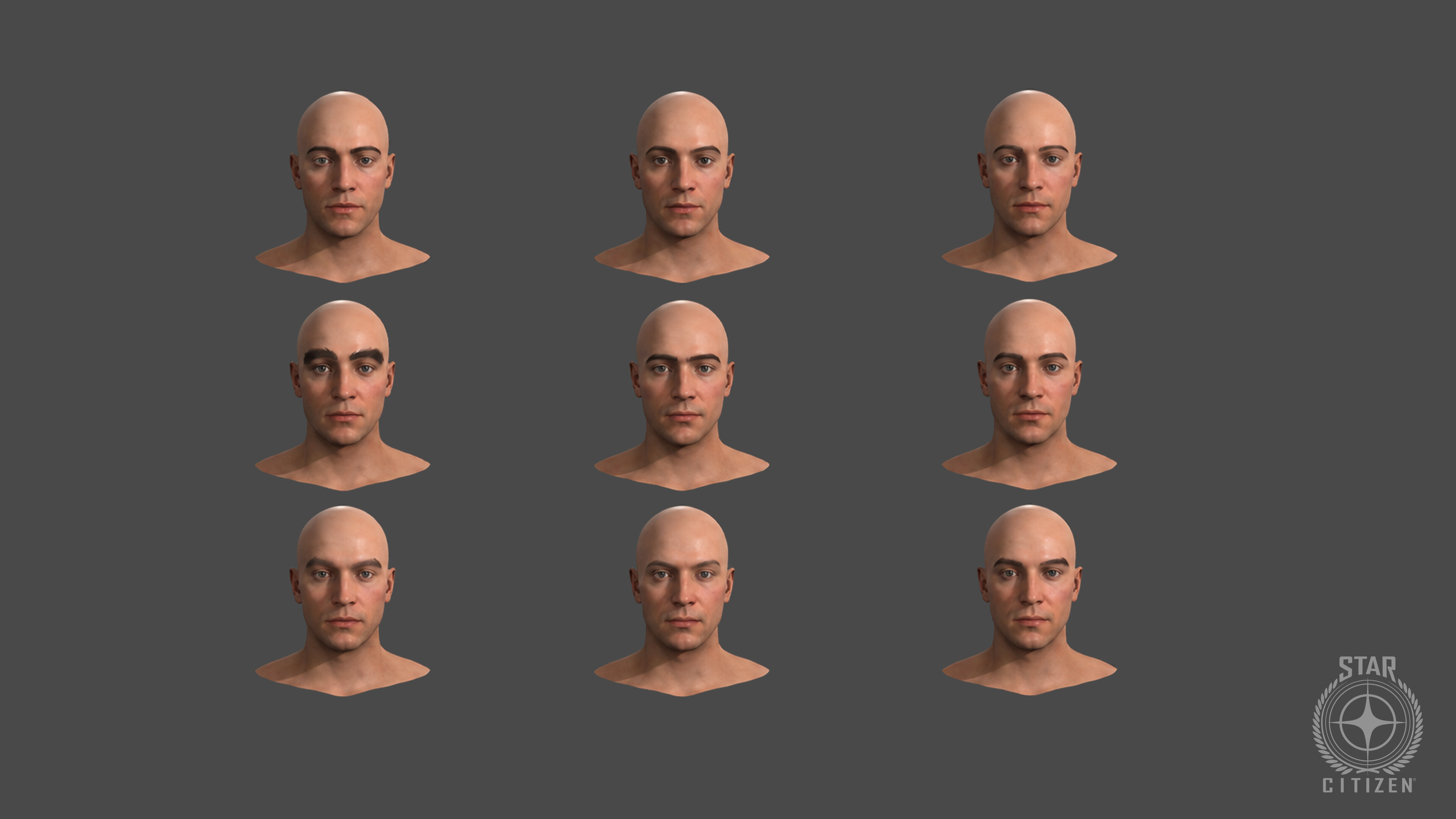
Character Customization Update (Brows)
Implementing three new eyebrow styles and updating six existing options to bring them up to the current visual quality standard.
This card has been set to Tentative.
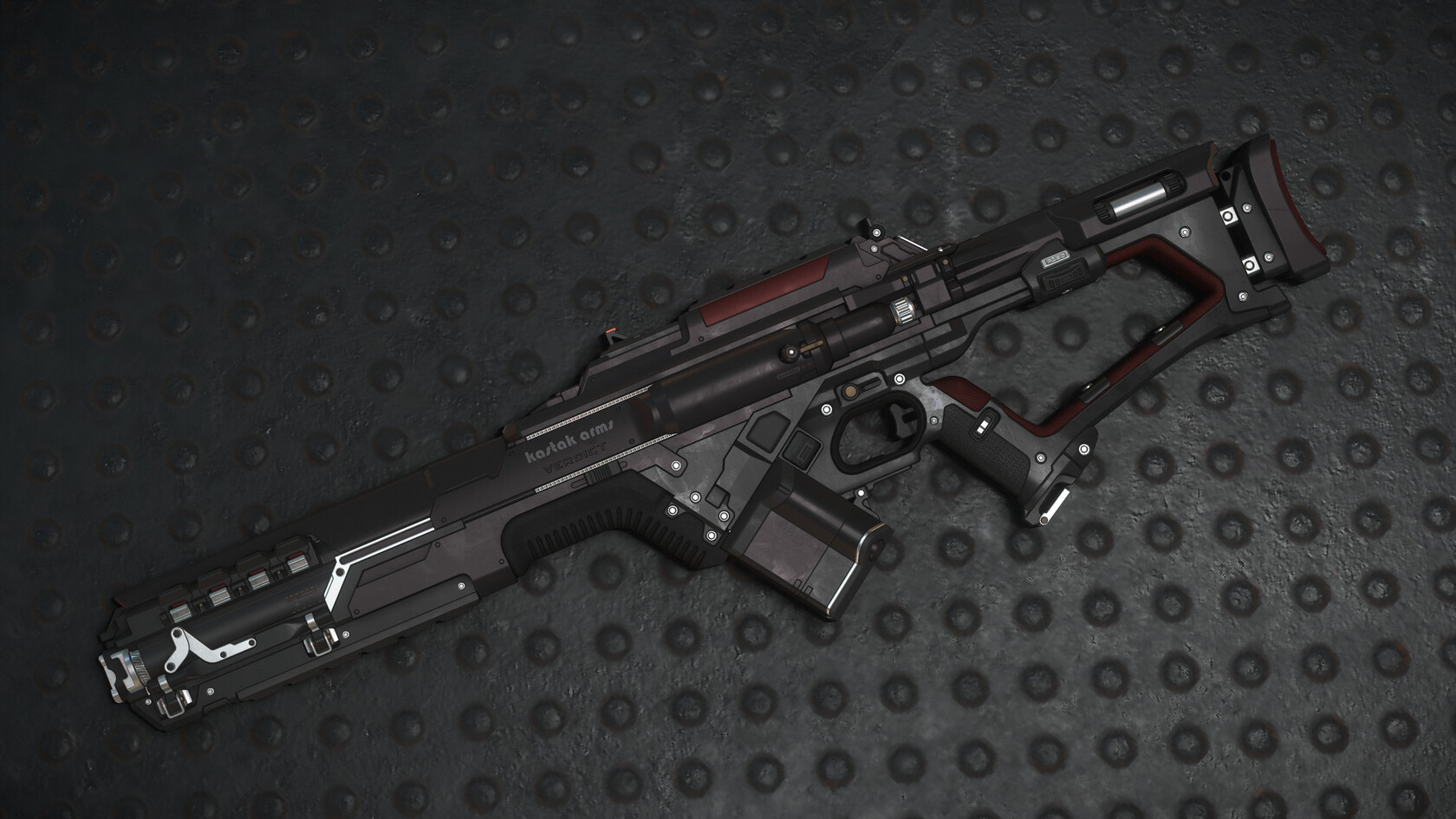
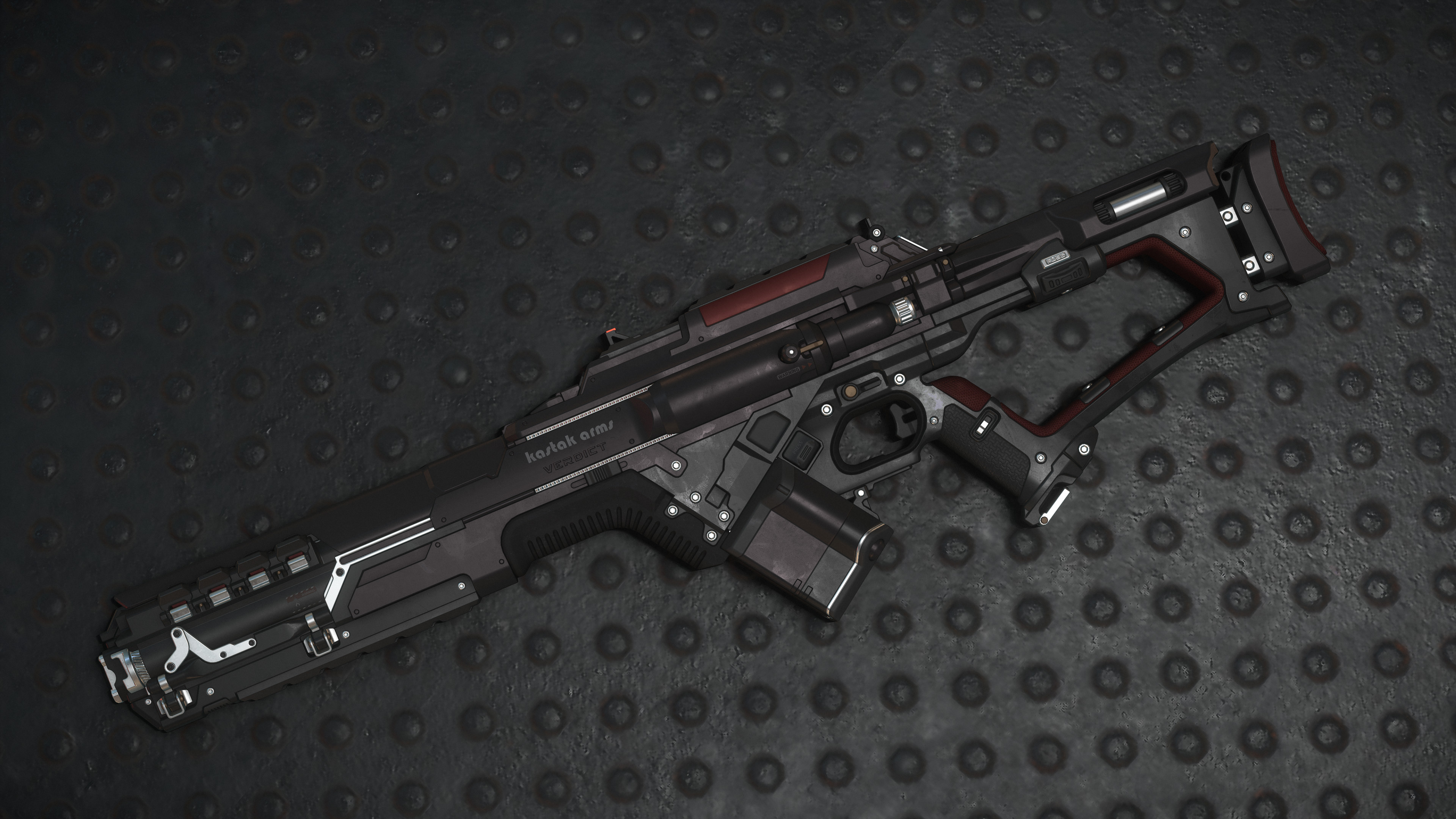
Kastak Arms “Verdict” LMG
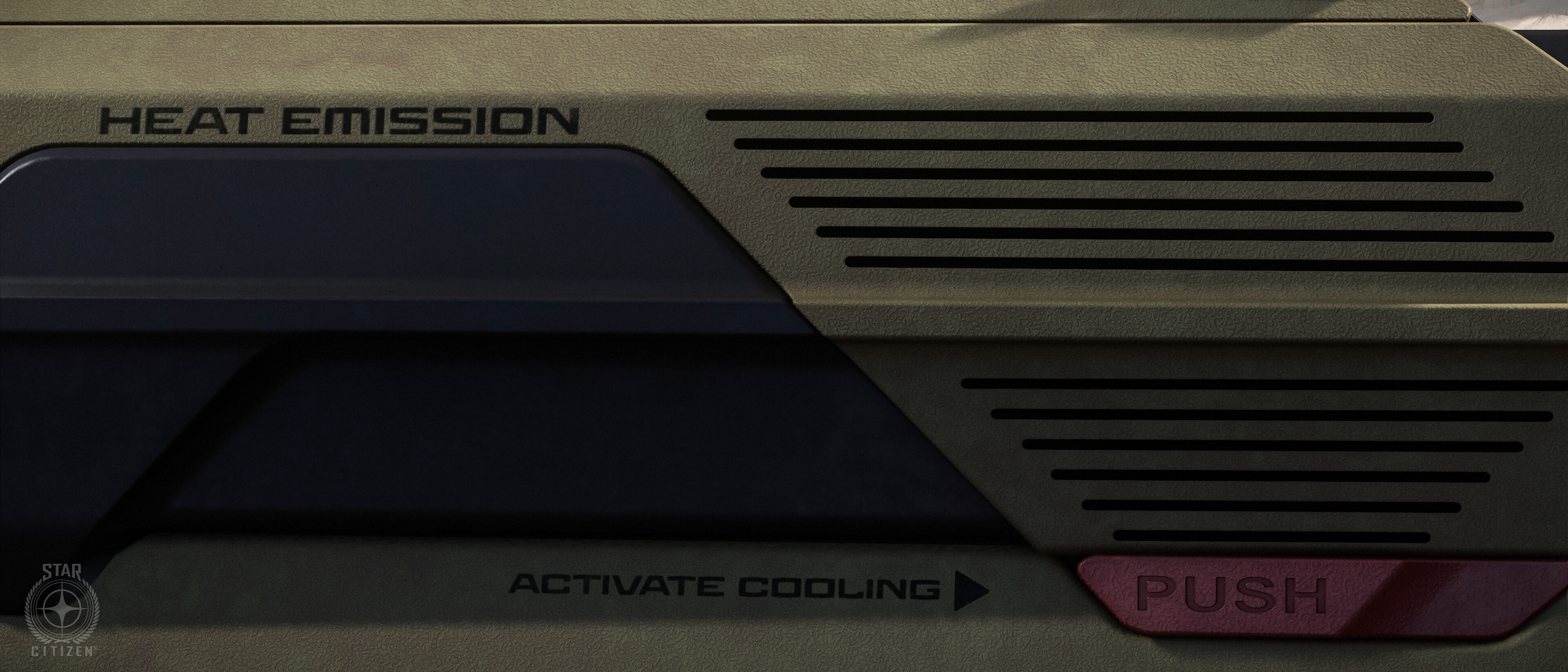
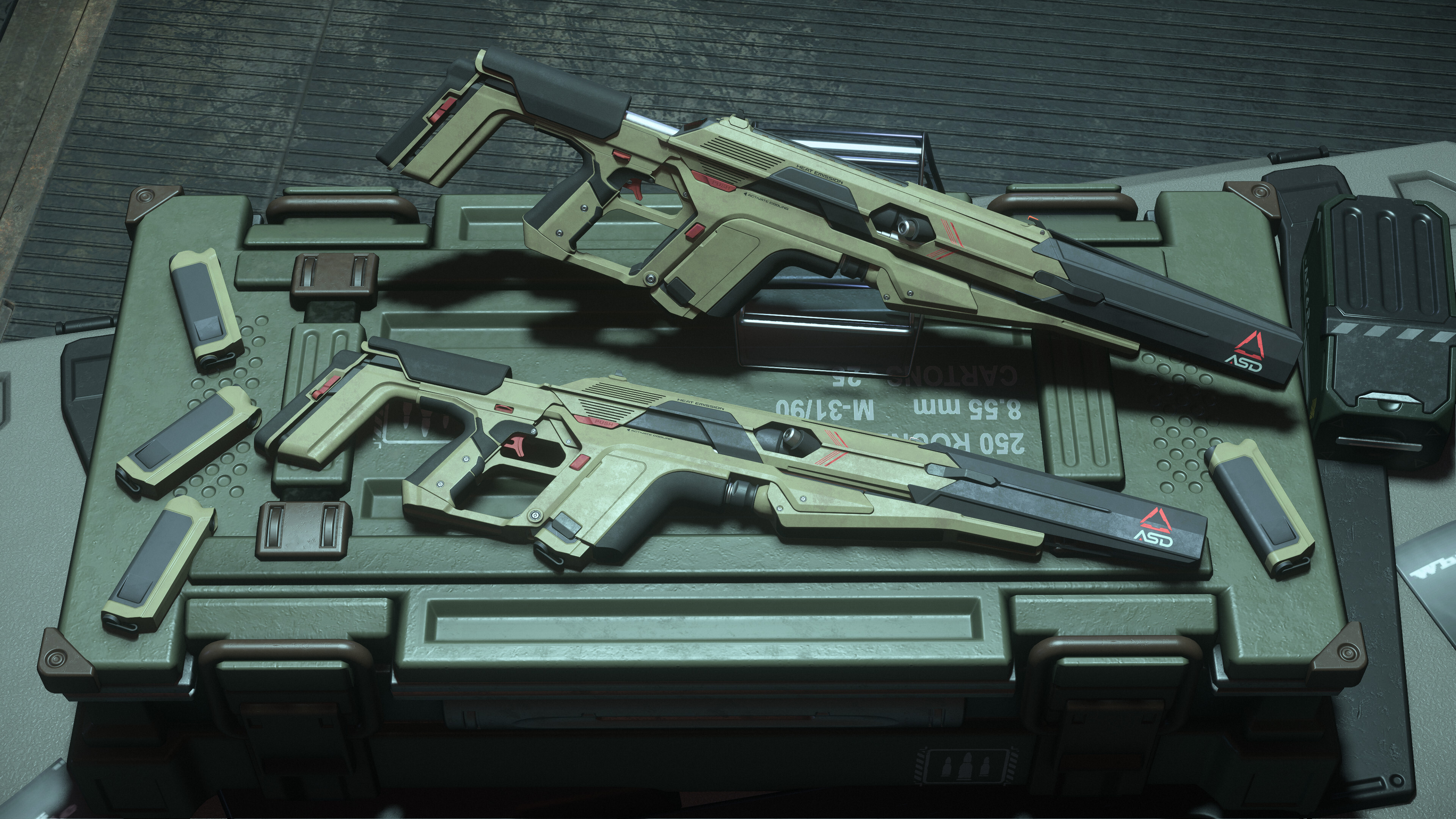
Implementing the Kastak Arms “Verdict” LMG, a medium-range weapon that builds heat through sustained fire before unleashing devastating superheated plasma projectiles with its alternate fire mode.
This card has been set to Tentative.
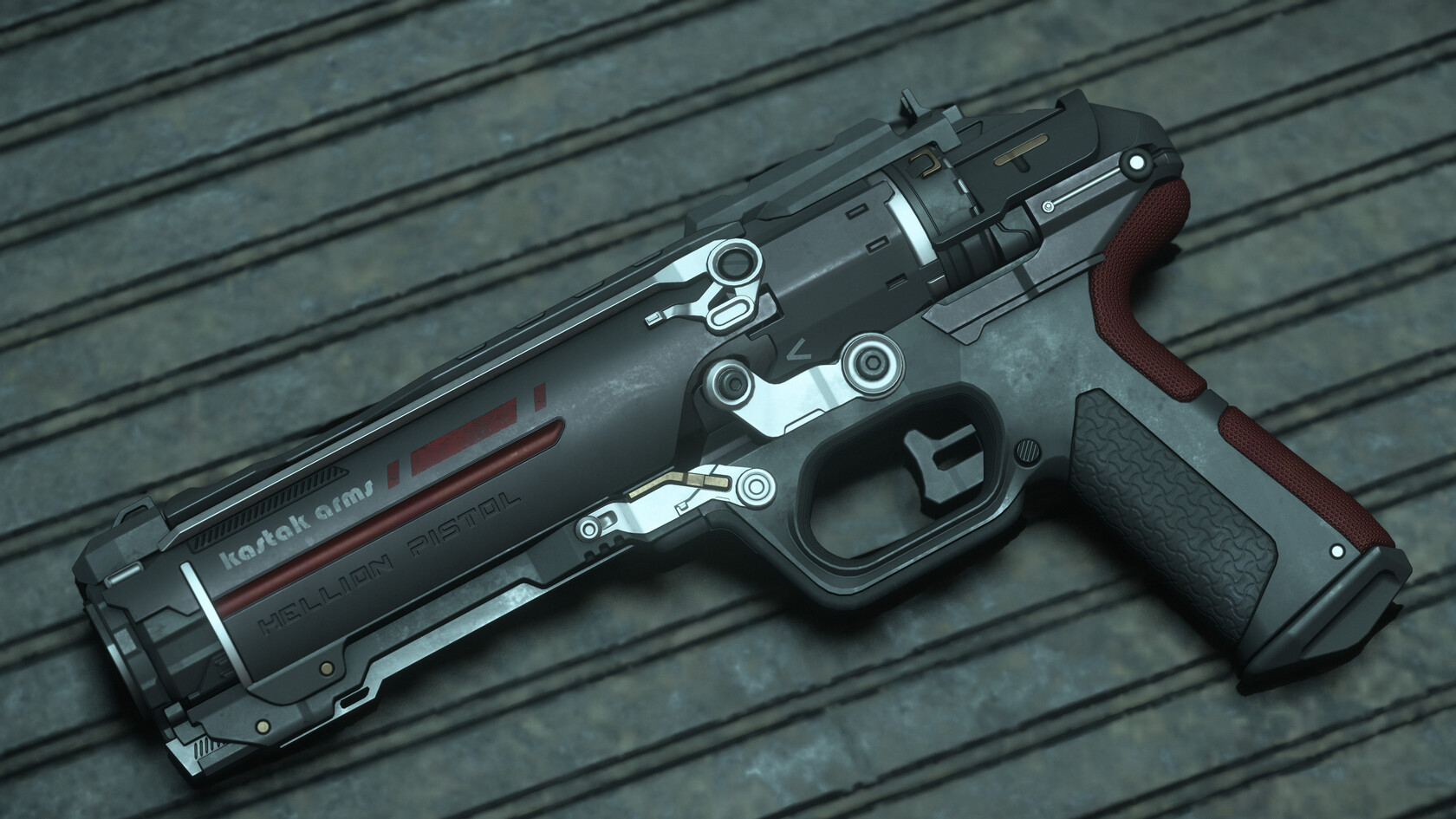
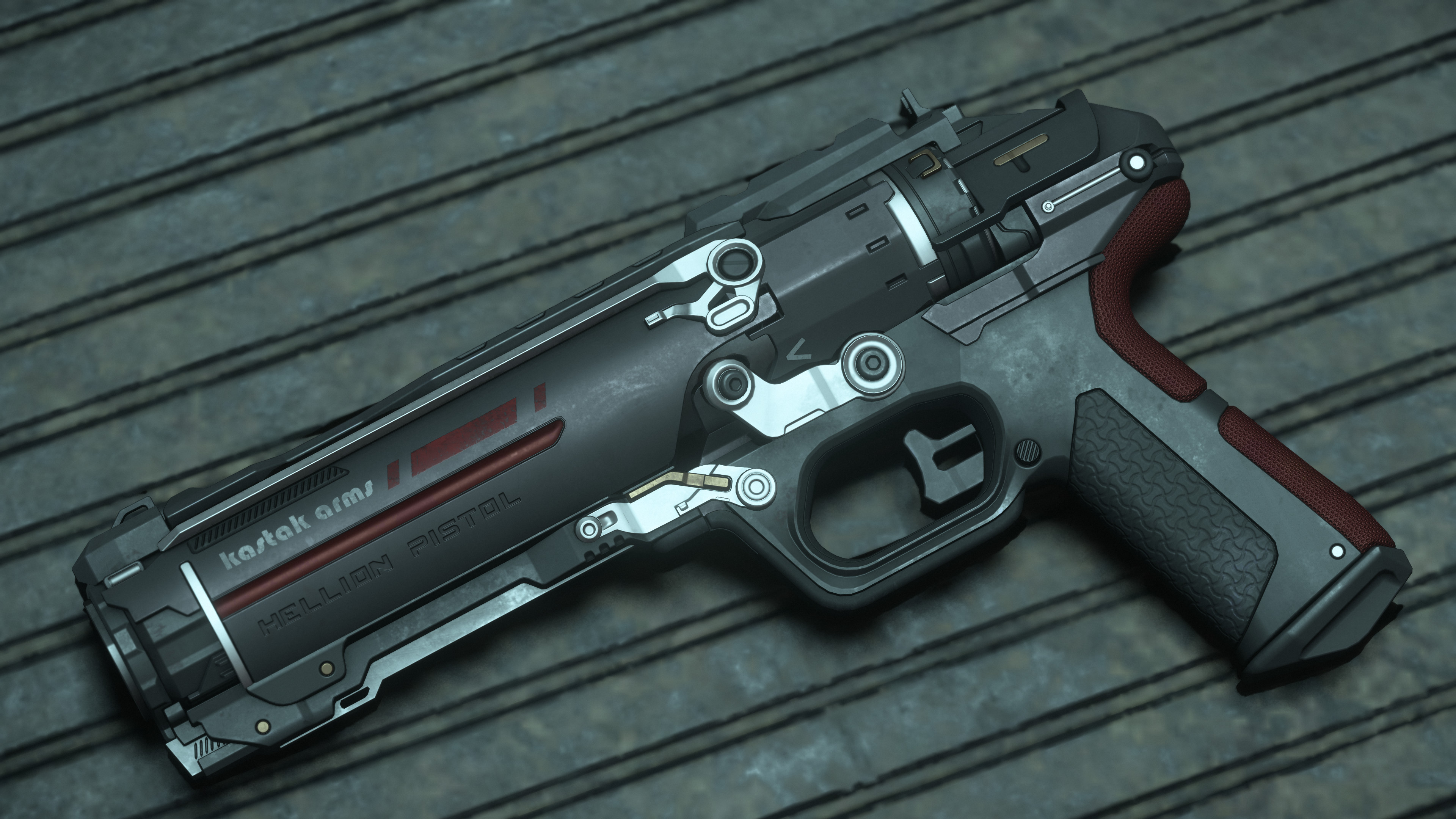
Kastak Arms “Hellion” Pistol
Implementing the Hellion Plasma Pistol, a high-velocity plasma weapon that creates hazardous impact zones, allowing operators to rapidly deploy multiple areas of denial across the battlefield.
This card has been set to Tentative.
New Wikelo Ship Offerings: Tiburon
Adding an Aegis Tiburon with a unique base livery and upgraded components as a reward for completing a new addition to the variety of available Wikelo’s Emporium contracts.
This card has been set to Tentative.