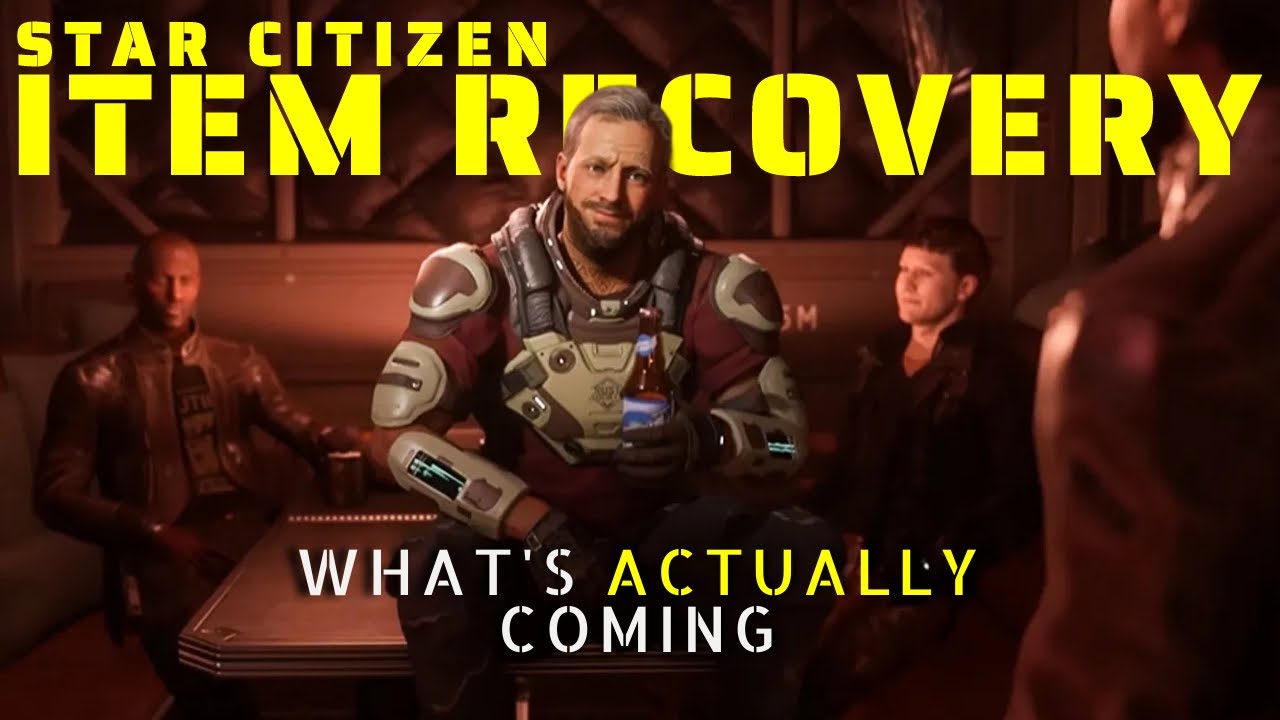
The controversy surrounding Star Citizen’s item recovery system began in March 2025 when the game introduced a tier zero system allowing players to respawn with all their gear intact after death. This sparked fears among players that the game’s economy would collapse, risk would be eliminated, and the gameplay would become too casual. However, this initial system was a temporary placeholder designed to address a fundamental problem: the game’s unfinished state and frequent bugs causing players to lose expensive gear unfairly. Before item recovery, many players quit or stopped playing after losing gear to server crashes, glitches, or other technical issues rather than combat, which hurt player retention significantly.
The decision to implement item recovery was not rushed but part of a long-term plan dating back to September 2023. Developers had been working on the system for over a year and a half, carefully designing backend infrastructure like persistent inventory, cargo refactors, and insurance frameworks to support it. The current tier zero system is just a stopgap to keep players engaged while the more complex tier one and tier two systems are developed. These future systems will introduce registration, insurance fees, and item condition mechanics, making item recovery a meaningful gameplay feature rather than a simple cheat-like respawn.
Tier one item recovery, expected to launch within a few months, will significantly change how death and gear loss are handled. Players will need to register their gear at kiosks for a fee, and upon death, they will respawn naked and have to pay a recovery fee to reclaim registered items. Unregistered items will be lost permanently if the player dies, maintaining risk and consequence. Additionally, looting corpses will remain viable, but registered items will have a “dead man’s switch” that bricks stolen gear, preventing abuse but still allowing looters to sell them at reduced value. This creates a three-tier economy balancing risk, cost, and reward.
The new system encourages strategic economic decisions about what gear to insure and recover. Players will weigh registration and recovery costs against replacement expenses and mission risks, making loadout choices more tactical. Looting dynamics will also shift, as unregistered gear becomes more valuable to looters due to its permanence, while registered gear offers safety but comes with costs and limitations. This nuanced approach aims to satisfy both hardcore players seeking meaningful consequences and casual players frustrated by losing gear to bugs, ultimately improving player retention and gameplay depth.
In conclusion, item recovery is not undermining Star Citizen but enabling it to remain playable amid ongoing development challenges. Tier zero was a necessary temporary fix, while tier one and tier two will introduce full persistence, crafting integration, and economic balance. These systems will restore meaningful risk and consequence to death without punishing players for technical failures. As Star Citizen evolves, item recovery forms the foundation for its ambitious vision of a persistent, immersive universe where player choices truly matter.