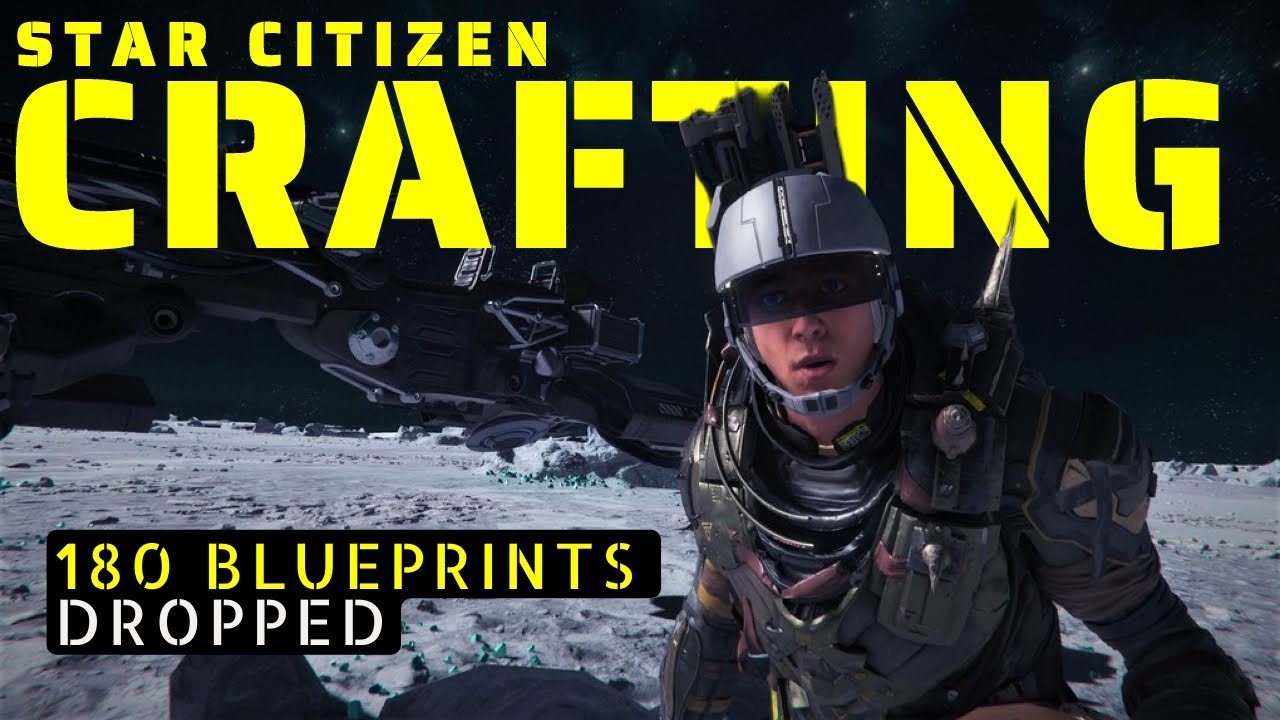
Star Citizen has quietly introduced a crafting system featuring 180 blueprints in an EVO test build, surprising many players as it appeared unfinished and unannounced. This initial implementation is raw and unpolished, focusing on functionality over aesthetics. The crafting system integrates a quality rating for every mined material, which significantly impacts weapon fire rates, armor stats, and component efficiency. For example, the same weapon can have a 14% performance difference depending on the material quality used in crafting, making material selection critical. Although the system initially failed to display blueprints to players, it has since been activated for testing, with players given all blueprints but no materials, encouraging them to mine or purchase resources strategically.
The crafting interface consists of three panels: blueprint selection, material assignment with quality ratings, and delivery location. Unlike polished demos, the current UI is basic and cumbersome, lacking advanced filtering or categorization, which makes finding craftable items challenging. Materials vary not just by type but by quality, even within the same material from different rocks, with quality differences reaching up to 25%. Ship mining provides a scanner that reveals material quality before extraction, allowing players to target high-quality deposits, whereas hand mining requires breaking rocks blind. This quality system fundamentally alters gameplay, as higher-quality materials produce significantly better crafted items compared to standard vendor materials.
Dismantling crafted items is another critical feature, allowing players to recover 70-80% of the materials used, though dismantling looted items offers pure profit since no initial investment is required. This shifts the economy from vendor prices to material value, making salvaging and looting more about material recovery than selling. Materials are stored location-specifically, meaning players must transport resources between crafting sites, adding a logistical layer that opens opportunities for piracy and escort missions. Crafting times vary by item complexity and are sequential, requiring players to plan their crafting queues strategically.
Blueprint acquisition will be a major gameplay and economic factor, as testers currently have all blueprints but live players will need to find, earn, or trade them. This creates a knowledge economy where knowing blueprint locations and material quality hotspots is as valuable as the resources themselves. The system also hints at tiered progression, with higher tiers potentially requiring rare blueprints or better materials, though details remain unclear. Quality ratings appear to have breakpoints influencing stat bonuses, suggesting mining strategy will involve targeting specific quality thresholds rather than just incremental improvements.
Overall, this early crafting implementation represents a significant shift in Star Citizen’s economy and gameplay, emphasizing quality materials, blueprint knowledge, and logistics. While the system is still rough and subject to change, the core pillars—crafting with quality materials, blueprint dependency, and material recovery through dismantling—are set to redefine player interaction, market dynamics, and resource value. Early testers are encouraged to learn the system’s nuances, prioritize high-quality mining, and specialize in crafting niches to gain an advantage when the system fully launches. This crafting rollout signals a major economy reset that could reshape Star Citizen’s in-game world for years to come.