The upcoming Alpha 3.7 update for Star Citizen introduces significant changes to the combat system, particularly focusing on armor and radar mechanics. A new armor balance system implements a minimum damage threshold for projectile penetration, meaning heavily armored ships can block smaller projectiles until their armor is sufficiently damaged. This change aims to add depth to combat by making ship rolls and armor health more crucial in engagements. Additionally, radar-based aim assist will vary depending on the radar type and power allocation, potentially reducing aim assist range when systems are EMPed or power is diverted, encouraging closer combat distances and strategic power management.
These changes build upon previous efforts to slow down combat and promote closer engagements, such as the introduction of master modes in Alpha 3.23, which created distinct combat and flight modes to enhance tactical gameplay. Master modes have been divisive within the community due to their complexity and lack of in-game explanation, but they represent a step toward more nuanced combat that emphasizes ship roles, power management, and positioning rather than simply speed and target acquisition. The evolving armor and engineering systems are further adding layers of complexity, with damage penetration mechanics allowing ballistic weapons to damage internal components once armor is weakened, and energy weapons focusing on melting armor.
Turrets and medium-range weaponry remain an area requiring further development, with current turret projectiles limited by their inability to be guided post-launch. Plans to introduce weapons like flak could address this gap, providing effective medium-range defense and offense, especially against fighters harassing larger ships. The ongoing armor system changes also aim to balance the threat smaller ships pose to capital ships, ensuring that small-caliber weapons cannot easily damage heavily armored vessels, thereby preserving the strategic value of larger ships and their specialized weaponry.
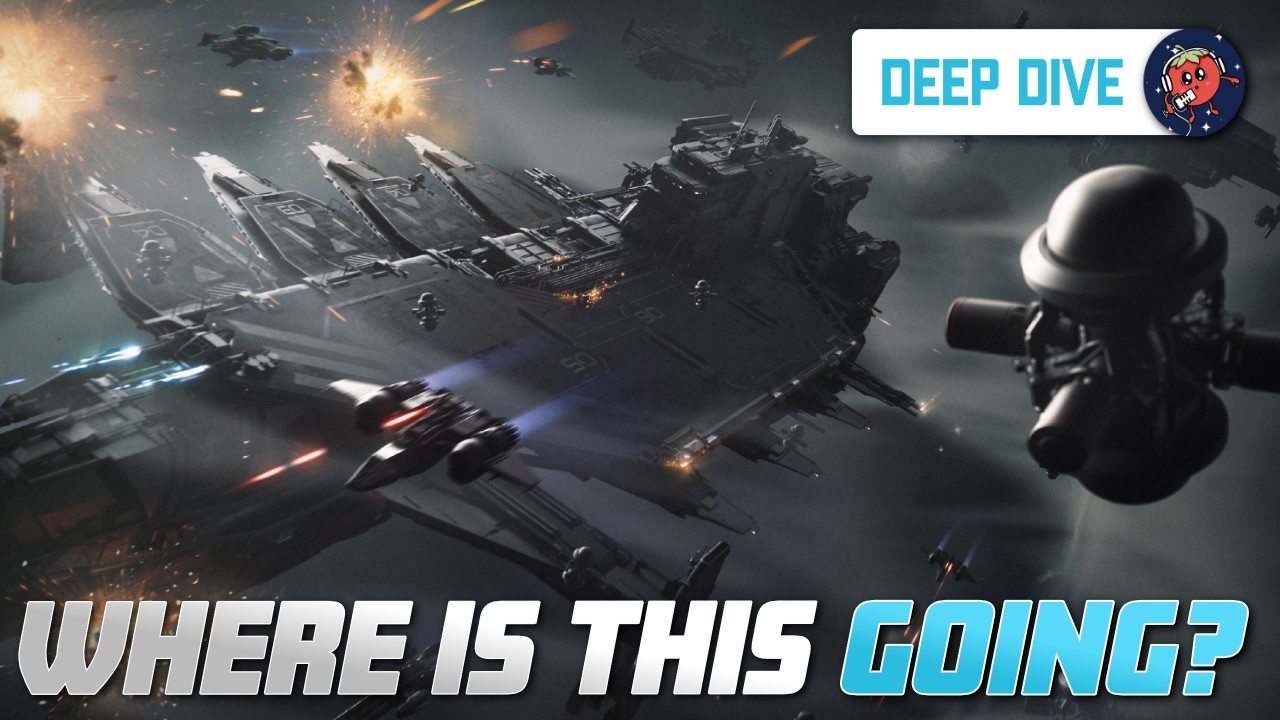
Looking ahead, Star Citizen’s capital ship combat is envisioned as a layered, strategic experience rather than a simple battle of firepower. Capital ships feature multiple defensive layers, including turrets, point defense cannons (PDCs), and physicalized shield emitters that must be systematically disabled before fighters can effectively engage. Combat will require coordination, with fleet commanders assigning targets and coordinating alpha strikes to overwhelm defenses. Players may choose to board enemy ships once defenses are breached, engaging in combined arms gameplay that integrates space combat with on-ship infantry actions, adding a rich tactical dimension to large-scale battles.
Overall, the path to Star Citizen’s endgame combat is complex and iterative, with many systems still in early development. The combat experience in the Persistent Universe (PU) will differ significantly from that in Squadron 42 due to the variety of ships and gameplay styles involved. While the current changes in armor, radar, and engineering mark progress, they are far from final and will continue to evolve. Players are encouraged to approach these updates with flexibility, understanding that balancing and refinement will be ongoing as the developers work toward a more realistic, strategic, and engaging combat system culminating in large fleet battles and multifaceted warfare.