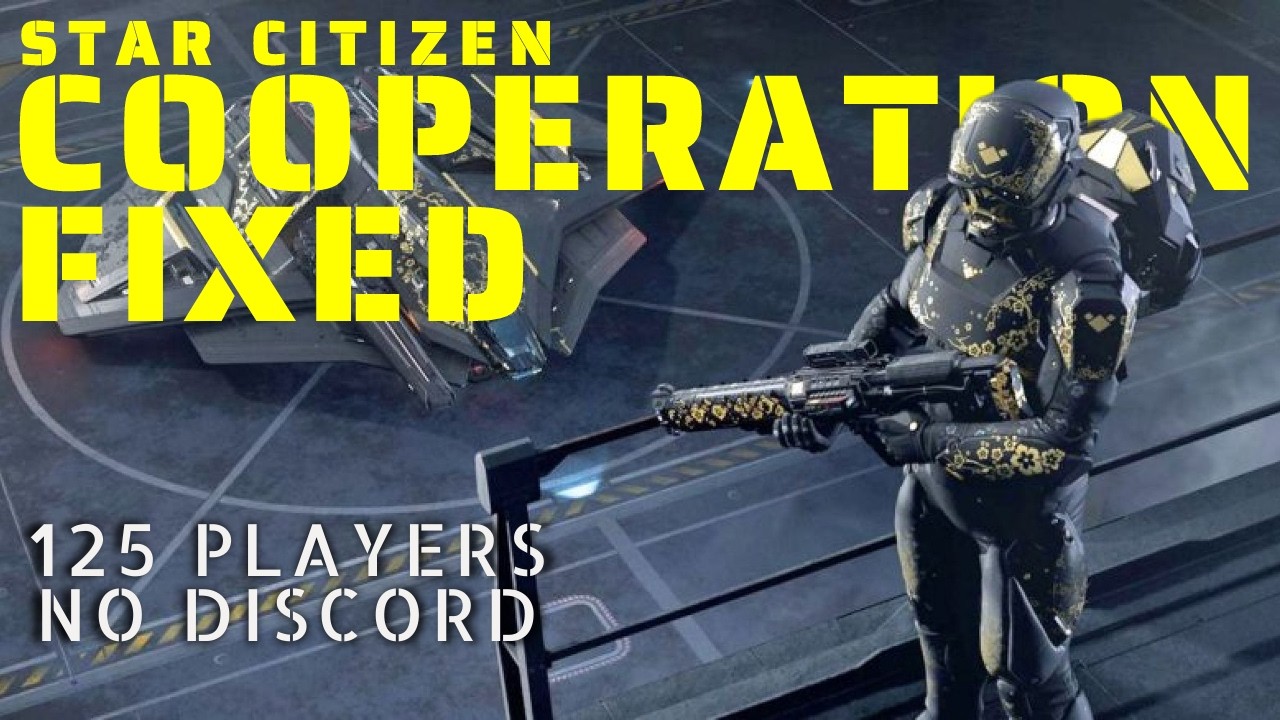
Star Citizen’s recent Alliance Aid 8 event marked a significant shift in the game’s community event structure by finally rewarding group cooperation effectively, breaking a 13-year pattern where solo players often outpaced organized teams due to split rewards. In this event, all party members receive full mission credit regardless of who completes the task, transforming the incentive system to favor cooperation without penalizing solo play. This change allowed 125 players to complete the entire progression track in just 24 hours by running simultaneous missions across different categories, showcasing the power of coordinated teamwork in the game’s MMO environment.
The event features three mission categories—transport, collections, and defense—each catering to different playstyles and ship capabilities. Transport missions involve hauling cargo between locations, suitable for a range of ships from small to large. Collections focus on mining and cargo recovery, with Quantanium runs at Aaron Halo being particularly efficient. Defense missions require combat skills to escort convoys or recover cargo after pirate attacks, rewarding players with combat-capable ships. Each category offers small, medium, and large contracts, ensuring that players with various ship types and skill levels can participate and earn full credit for their efforts.
This new system’s math creates intriguing dynamics: large groups running multiple missions simultaneously can amass thousands of points per hour, enabling rapid event completion, while solo players or small groups can still progress steadily without being disadvantaged. The event’s reward structure includes cosmetic items, practical gear like tractor beams and cannons, and long-term investments such as an item fabricator for future crafting systems. Players are encouraged to prioritize categories based on their preferred gameplay, with transport missions benefiting traders, collections suiting miners, and defense geared toward combat pilots.
The event also highlighted improvements in server stability and mission reliability, with fewer bugs and better instancing compared to previous patches. CIG’s responsiveness to issues like mission bugs and point tracking, along with the robust infrastructure supporting large-scale multiplayer cooperation, suggests significant progress toward the game’s persistent MMO goals. This successful event lays the groundwork for future large-scale features, including Pyro system integration, server meshing, and Squadron 42’s multiplayer components.
Overall, Alliance Aid 8 represents a pivotal evolution in Star Citizen’s social and gameplay architecture, proving that cooperation can be both rewarding and efficient without excluding solo players. The event’s design encourages players to form parties easily through global chat or Spectrum channels, fostering community engagement. With clear progression goals, practical tips for mission optimization, and a scalable reward system, players now have a viable path to completing large-scale events while enjoying the diverse gameplay loops Star Citizen offers.