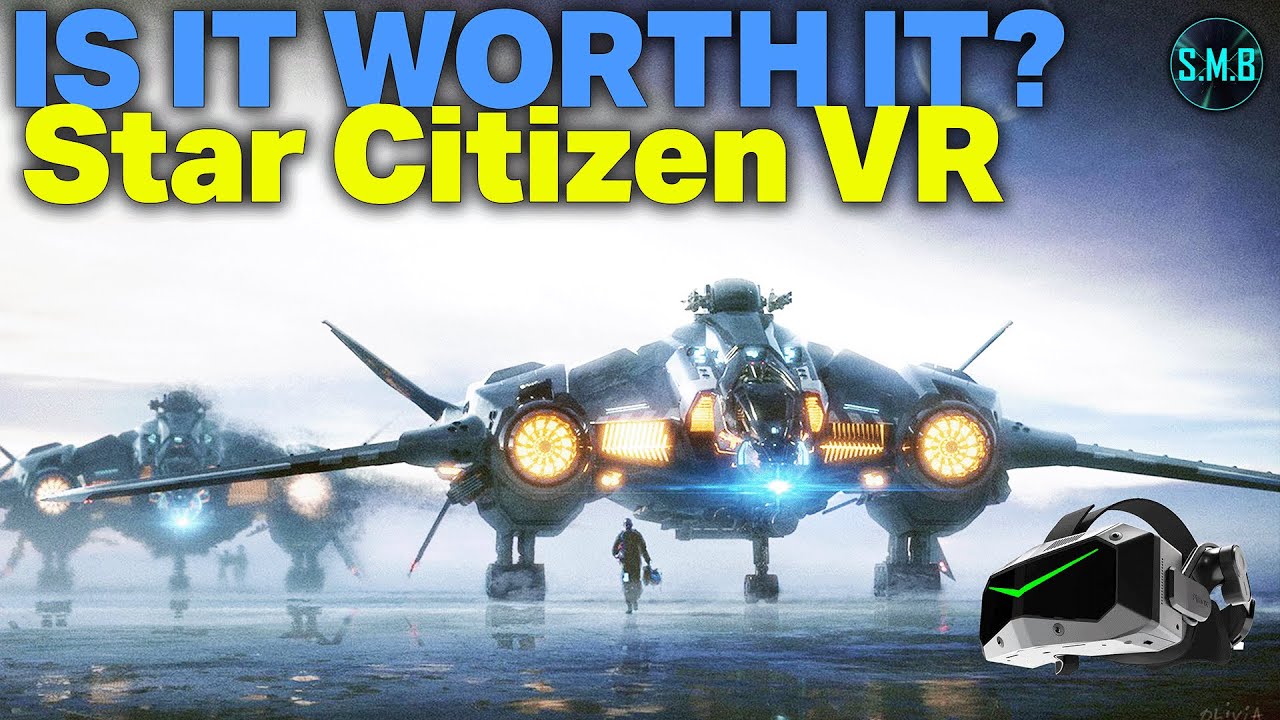
In this video, Ryan, also known as Mac, introduces a new series focused on Star Citizen VR, sharing his experiences and insights using the Pimax Crystal Super headset. He thanks his patrons and channel members for their support and mentions a special offer for discounts on Pimax VR headsets, encouraging viewers to check the link provided. Ryan aims to create a community-driven resource through the comment section where users can share tips, settings, and feedback to help improve the experimental VR mode in Star Citizen and push it towards a full release.
Ryan discusses his hardware setup, including a 10900K CPU and two GPUs, the RTX 3080 and the newer RTX 5080. With the 3080, he had to lower graphics settings and reduce per-eye resolution to 30-40%, which led to some visual bugs like planets not rendering properly unless textures were set to medium or higher. Although VR was still fun at these settings, it was not ideal for long-term play. The 5080, on the other hand, handled high graphics settings and 66-80% per-eye resolution with ease, delivering clear visuals and stable performance even in demanding areas like Levski.
Ryan shares his immersive experience with Star Citizen VR, highlighting the incredible detail in items, vehicles, and cockpits. He finds inspecting weapons and tools particularly impressive, with every detail feeling tangible and realistic. Piloting and driving feel more intuitive and easier in VR due to enhanced situational awareness and the sensation of truly being inside the cockpit. Landing ships, for example, feels more natural and less prone to crashes, showcasing the benefits of VR for gameplay immersion.
When it comes to FPS combat, Ryan notes that aiming down sights (ADS) in VR takes some getting used to but feels very natural after practice. He discusses the current ADS recentering mechanic, which recenters the view every time the right mouse button is pressed, even when no weapon is held, which can be disruptive. He suggests improvements such as disabling recentering when not holding a weapon or allowing more freedom of head movement during ADS to balance realism and situational awareness. Despite some initial challenges, he finds VR FPS combat immersive and promising, especially for PvE gameplay.
Lastly, Ryan talks about Pimax-specific details, mentioning that the Crystal Super headset is bulky and doesn’t fit headphones, but it has built-in speakers and optional DMASS headphone add-ons. He notes the headset can cause some pressure on the nose bridge after extended use and gets warm during play, with quiet internal fans. He praises the ease of setup and looks forward to further improvements in Star Citizen VR. Ryan encourages viewers to share their own experiences and settings in the comments and expresses excitement about potentially using VR as his main way to play, especially for Squadron 42 in the future.