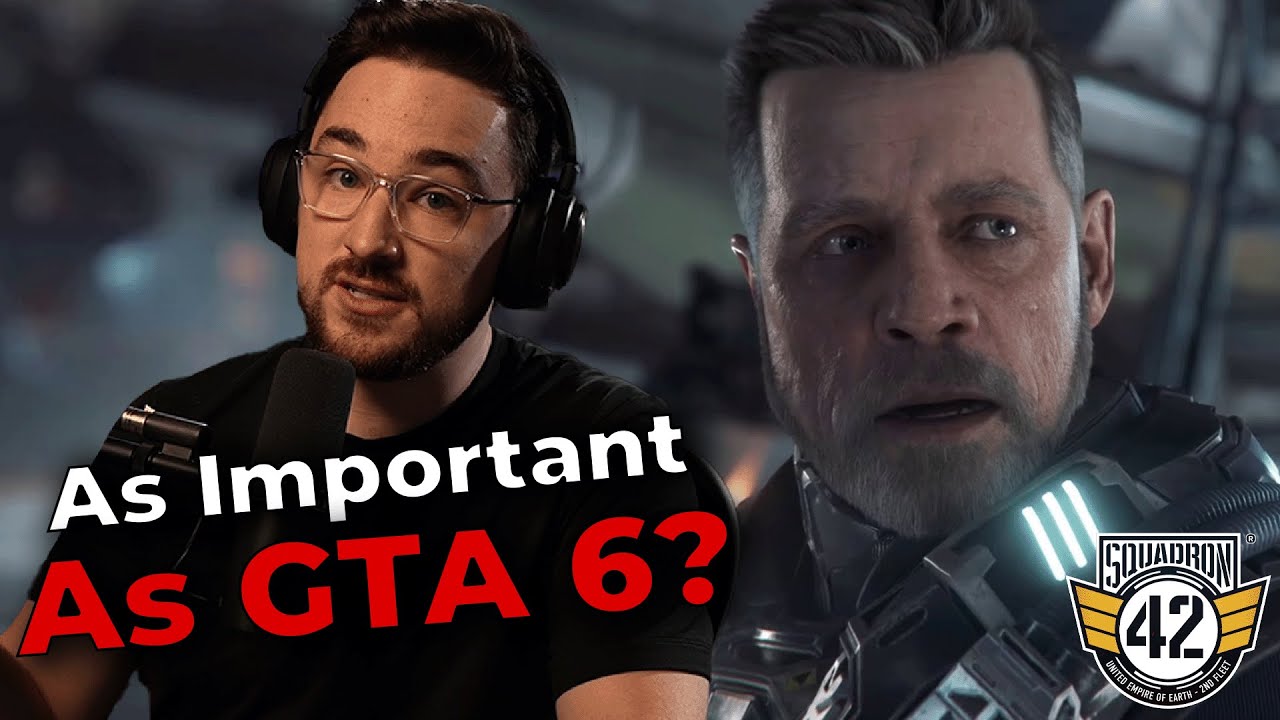
The video discusses the long and complex development history of Star Citizen and its single-player spin-off, Squadron 42. After 14 years and $860 million raised through crowdfunding, the director hopes Squadron 42 will become an event as significant as the anticipated release of GTA 6. Star Citizen is divided into two projects: the persistent universe, a vast multiplayer space sim where players can buy expensive ships and play together, and Squadron 42, a narrative-driven sci-fi adventure featuring world-class acting talent like Henry Cavill, Gary Oldman, and Mark Hamill. Despite the impressive talent and high production values, the game has faced skepticism due to its prolonged development and controversial monetization.
The video highlights the financial challenges faced by the developers. While Star Citizen has raised a massive amount of money, their expenses continue to grow faster than their income, pushing them towards a potentially unsustainable situation. Their current business model relies heavily on selling expensive ships to a dedicated group of wealthy players, but this fundraising method is slowing down. Squadron 42 is seen as a potential game-changer that could generate significant revenue and help sustain the entire operation, but it faces an uphill battle to achieve mainstream success.
A major point raised is the negative perception of Star Citizen’s monetization practices, which many gamers view as excessive and “pay to excel,” bordering on pay-to-win. While such monetization might be tolerated by the hardcore Star Citizen community, it would likely be rejected by the broader, more casual gaming audience that expects fairer pricing models. This creates a dilemma for the developers, as they need to maintain income from their existing player base while trying to attract new players with a more traditional single-player game. The video suggests that this tension between monetization and market appeal is a key challenge for the franchise moving forward.
The video also touches on the reputation and skepticism surrounding Squadron 42 due to its long development time. Although recent gameplay previews have looked impressive, the question remains whether the game can meet the high expectations set by its ambitious goals and the evolving standards of game graphics and motion capture. Furthermore, the success of Squadron 42 is critical, as it is intended to funnel players into the persistent universe, which is the main revenue generator. However, it remains uncertain if the single-player experience will be compelling enough to bring in a large mainstream audience.
Finally, the video discusses the internal struggles within the Star Citizen development team, including executive reshuffles aimed at improving release effectiveness. Despite these efforts, the monetization strategy appears unlikely to soften, and server wipes and other controversial practices continue to frustrate the community. The video concludes that Star Citizen is in a difficult position of its own making, needing to balance financial sustainability with player expectations and market realities. Whether Squadron 42 can break through and become a major success remains to be seen, but the challenges ahead are significant.