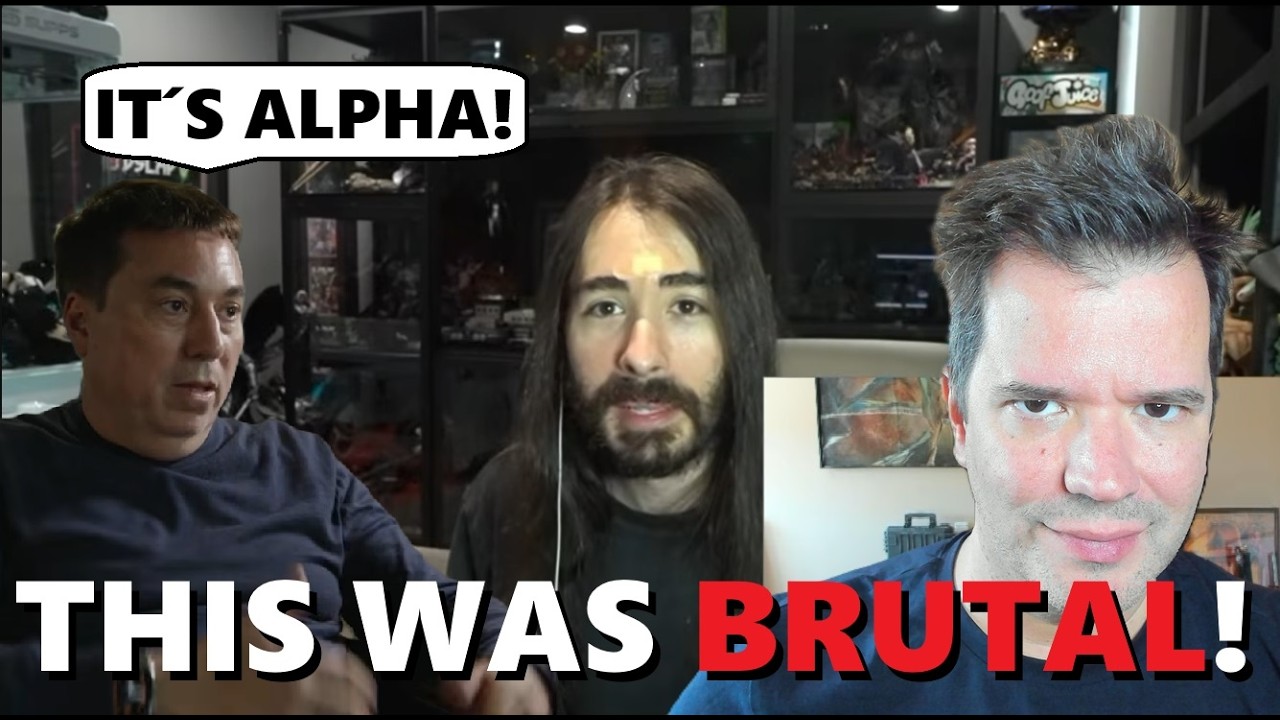
The video is a scathing critique of Chris Roberts and his crowdfunded game projects, Star Citizen and Squadron 42. The narrator highlights the immense amount of money raised—over a billion dollars—and the continuous monthly influx from supporters, yet the games remain incomplete and plagued with issues. Star Citizen, despite years of development, is described as barely functional, with core features like inventory and flight models broken or regressing. The community’s frustration is palpable, especially as the developers struggle to showcase stable gameplay even under controlled conditions, resulting in awkward and embarrassing live streams.
A significant focus is placed on the recent delay of Squadron 42, a game promised since 2016 and heavily tied to Star Citizen’s development. Chris Roberts’ explanation for the delay—that releasing it alongside the highly anticipated GTA 6 would overshadow their launch—is met with ridicule. The narrator and the community view this excuse as disingenuous and insulting, emphasizing that GTA 6 and Squadron 42 appeal to different audiences and platforms. This delay further fuels skepticism about Squadron 42’s readiness, with many doubting that the game is anywhere near completion despite repeated assurances.
The video also delves into the business model behind Star Citizen and Squadron 42, suggesting that the endless delays and lack of a finished product may be a deliberate strategy. By not releasing the games, Roberts and his company can continue to solicit funding from backers eager for a completed product. This ongoing crowdfunding cycle keeps the community financially invested and hopeful, effectively “milking” supporters for continuous revenue. The narrator argues that releasing the game would likely reduce this income stream, providing a motive to prolong development indefinitely.
Moreover, the narrator criticizes Chris Roberts personally, accusing him of arrogance and detachment from the backers who have funded the projects. Roberts is portrayed as out of touch, prioritizing his ego and control over delivering a finished game to the community. The video calls out the irony of Roberts’ claims of “materializing” a game when, in reality, the projects have remained in perpetual development without significant progress. This disconnect between promises and reality contributes to the widespread perception of Star Citizen as a scam.
In conclusion, the video frames the ongoing saga of Star Citizen and Squadron 42 as a cautionary tale of mismanagement, broken promises, and exploitation of a passionate community. Despite the massive financial backing and years of development, the games remain incomplete, and the excuses for delays appear increasingly hollow. The narrator expresses a mix of frustration and disbelief, hoping for a legitimate release but remaining skeptical. Ultimately, the critique underscores the challenges and pitfalls of crowdfunded game development when transparency and accountability are lacking.