The recent Star Citizen patch 4.7 has sparked significant excitement around the game’s crafting system, which is set to evolve extensively in the future. The upcoming crafting mechanics will feature blueprint tiers, with most crafted items ranging from tier one to three, while vehicles can reach up to tier five. Higher-tier blueprints will offer more complex crafting requirements and better stat improvements, requiring players to either re-research or use specialist upgrading blueprints to enhance their items. This tiered system aims to add depth and progression to crafting, making it more engaging and rewarding for players.
A major highlight is the handling of pledge items—those acquired through initial game purchases. These items will always be tier one quality and, importantly, will never degrade to zero functionality, ensuring they remain usable indefinitely. Unique liveries on pledge items will be converted into cosmetic paint items that players can apply to the same item, allowing customization without granting crafting blueprints for the original items. Additionally, pledge items cannot be traded or dismantled, which addresses concerns about pay-to-win mechanics and maintains game balance.
The crafting system will also introduce item degradation and repair mechanics to sustain a dynamic economy. Crafted items will deteriorate with use, affecting their functionality, such as weapon jams or reduced performance. Repairs can restore some integrity but will gradually lower the maximum functionality, meaning items will eventually need replacement. Notably, item recovery and claiming will not reset an item’s functionality, emphasizing the need for ongoing maintenance and crafting. Pledge items will degrade but never become permanently unusable, differentiating them from player-crafted gear.
A revamped refining system will change how raw materials are processed, moving from simple conversions to combining primary and secondary inputs, such as iron ore and carbon, to create alloys and composite materials. This system will also incorporate exotic materials, including those salvaged from alien ships, adding layers of complexity and realism to resource gathering. Crafting will be supported by different fabricators tailored to medical, food, and construction needs, broadening the scope of player-created items and improving immersion.
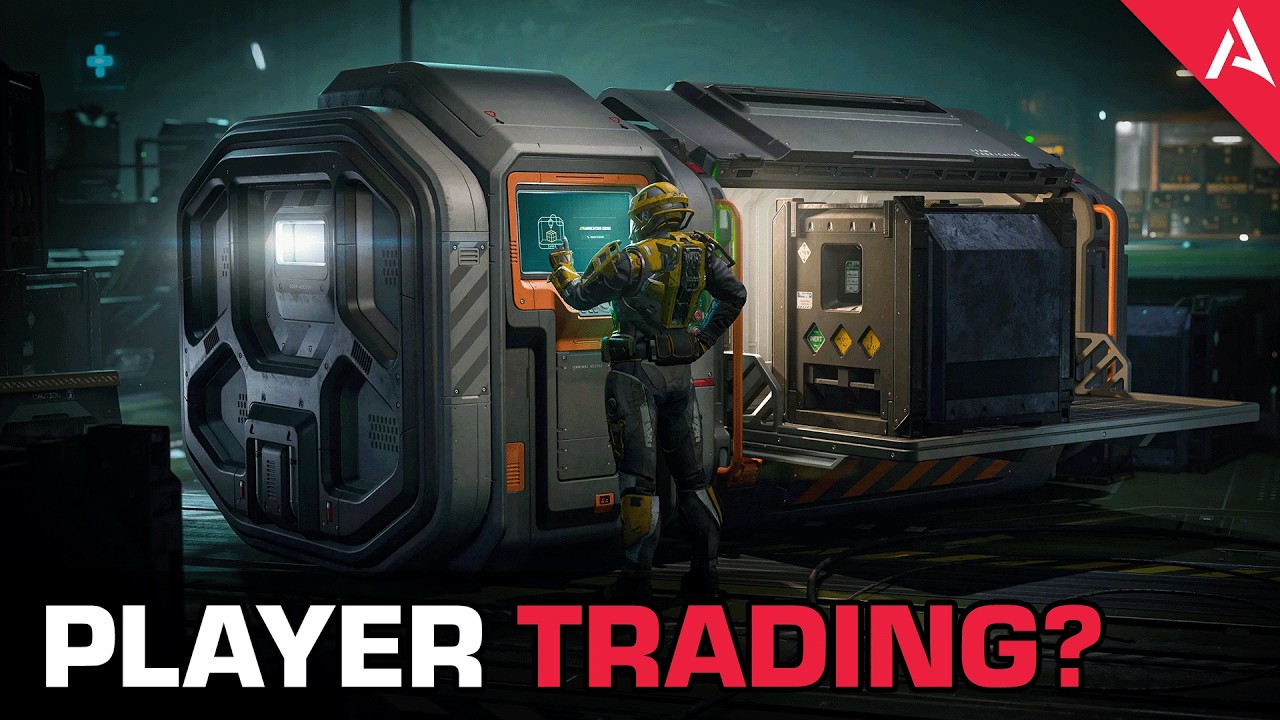
Finally, player trading and base building will integrate closely with crafting. Player trading will enable transactions involving quality materials and crafted items, independent of base building, which will later add support for player-operated stores and advertisements. Blueprints can be acquired through various means, including reputation rewards, NPC stores, and physical data pads, some of which can be traded before use. These developments promise a robust, player-driven economy with extensive customization, making crafting a central and evolving feature in Star Citizen’s future.