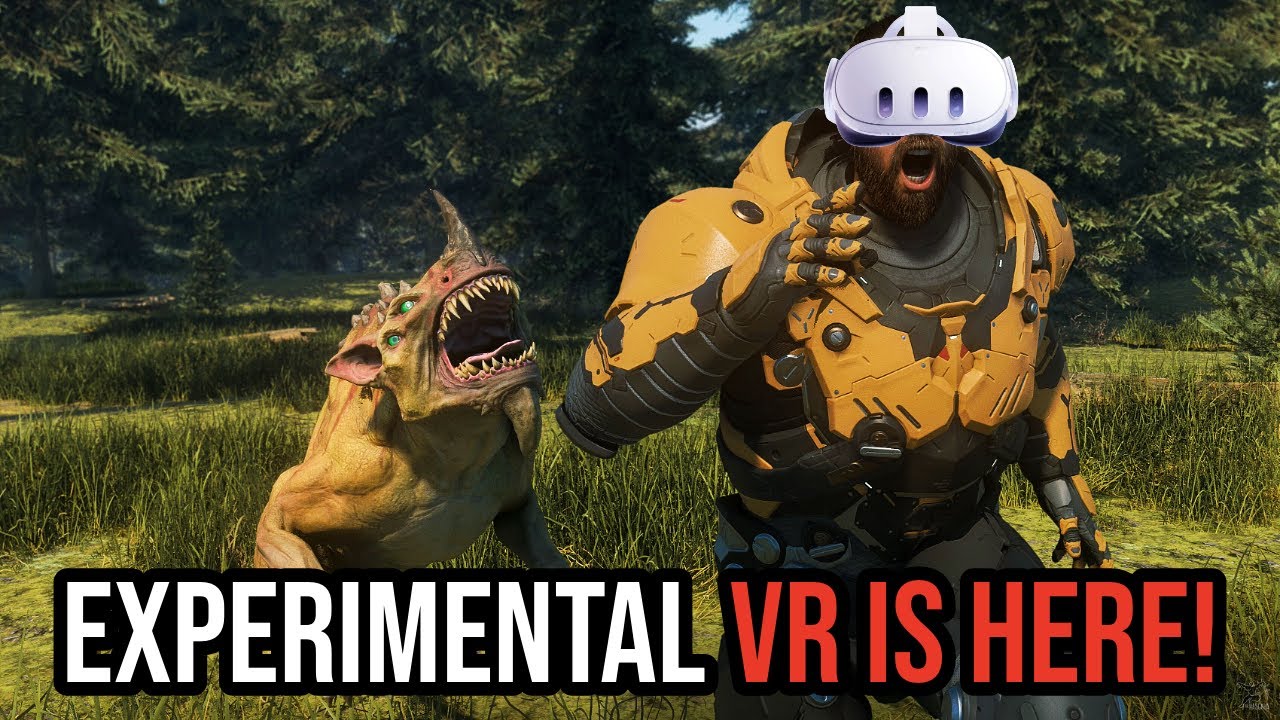
The latest Star Citizen Alpha 4.5 PTU update introduces experimental VR support, marking a significant milestone for the game. Although still in its early stages and far from a polished experience, this VR implementation allows players to explore the Star Citizen universe in virtual reality, from menus to FPS gameplay and ship piloting. The feature is largely driven by a small team of passionate engineers, notably Silvin, a senior engine programmer who has been personally invested in bringing VR to the game since joining Cloud Imperium Games in 2018. Players can toggle between full VR and a theater mode, which projects a virtual screen inside the headset for compatibility with the standard desktop pipeline, allowing seamless switching between VR and traditional play.
The update also includes numerous bug fixes and gameplay improvements, such as adjustments to medbeds, engineering terminals, mission stability, and ship components. Notable changes include doubling the critical timer for power plants, isolating damage to power plants instead of other ship parts when critical, boosting shield regeneration, and balancing shields for capital ships. Additionally, the update refines armor variants for certain ships, fixes overheating issues when spawning ships, improves UI elements, and adds more containers and fuses to shops, all contributing to a more stable and balanced gameplay experience.
VR support requires players to use the Vulkan graphics API and have OpenXR-compatible headsets, with automatic detection and initialization within the game. Controls include toggling VR on and off, switching to theater mode, and recentering the view, with some features like holographic displays and visor effects currently disabled in VR. Performance impact is expected, and players are encouraged to use upscaling technologies like TSR or FSR to help maintain smooth gameplay. MetaQuest Link users are advised to disable asynchronous space warp to avoid visual artifacts, highlighting the experimental nature of the feature.
Looking ahead, Cloud Imperium Games plans to polish the current VR implementation and expand it with exciting features such as motion controller support, full-body tracking, and face and eye tracking integration. While the current VR experience is primarily about immersion and head tracking, it lacks refined UI interactions and smooth FPS gameplay, indicating significant work remains. The developer’s commitment to innovation and open development invites player feedback to shape the future of VR in Star Citizen, though widespread adoption may be limited by the relatively small VR player base and the challenges of integrating VR into multiplayer and cinematic modes like Squadron 42.
In summary, the Alpha 4.5 update is a promising first step toward native VR support in Star Citizen, offering players a novel way to experience the game’s vast universe despite its current limitations. The experimental nature means bugs and missing features are expected, but the foundation is laid for future development. The community’s feedback will be crucial in refining the experience, and the potential for advanced VR features is exciting. Meanwhile, the update also improves core gameplay elements and stability, making it a well-rounded patch as the game moves closer to live release.