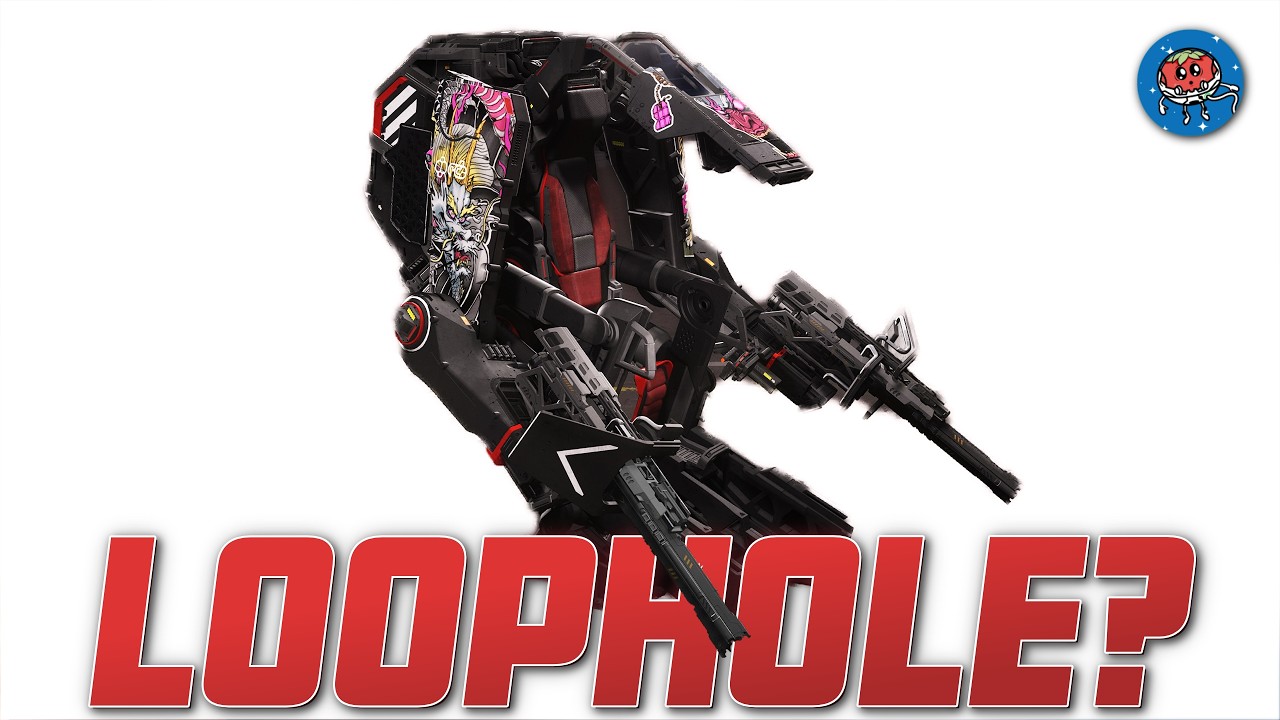
Star Citizen has raised over a billion dollars through ship sales, yet one notable vehicle, the Exosuit called the Ikti, was never sold directly to players. Instead, a variant called the Akuma, featuring improved weaponry and jump jets, was released exclusively in a $75 bundle. This move addressed several gameplay issues with the original Ikti, such as limited flight range and difficulty targeting infantry, but frustrated players due to the lack of a standalone purchase option and the high price point. The company justified this by maintaining the original promise that certain battle vehicles would remain earnable only through gameplay, while offering a purchasable alternative for those wanting permanence.
Ship variants have long been a part of Star Citizen’s development and monetization strategy, providing quicker, less expensive ways to introduce new roles and features without creating entirely new ships. These variants often come with trade-offs but are generally accepted by the community. However, the Ikti and its Akuma variant represent a departure from past practices, as the original was intended to be an in-game exclusive, and the Akuma’s sale strategy has been seen as a controversial concession to player demand for permanence amid unstable game systems.
The timing of the Akuma’s release appears linked to financial considerations tied to a significant put option held by Star Citizen’s primary investors. This option allows investors to require the company to buy back shares between January and September 2026, with payouts based on a three-year rolling income figure. The release of the Akuma bundle, which can only be purchased with real money and not store credit, may be an attempt by the company to demonstrate revenue growth and financial health during this critical period, reassuring investors and supporting ongoing development.
Despite the controversy, the company insists it will keep the original Ikti as an in-game exclusive, honoring the promise that some vehicles remain earnable only through gameplay. However, the Akuma’s existence and sale model signal a broader trend of monetizing game content in ways that blur the lines between in-game achievement and real-money transactions. This has led to mixed reactions from the community, with some players feeling alienated and no longer viewing themselves as customers, highlighting the challenges Star Citizen faces in balancing monetization with player satisfaction.
Ultimately, the video suggests that while Star Citizen’s approach to selling ships and variants has evolved out of necessity and financial pressures, it risks undermining player trust and engagement. The author hopes the company will eventually offer the Akuma as a standalone purchase or make it accessible through gameplay rewards, advocating for more transparent and player-friendly monetization strategies. The video also encourages viewers to stay informed about the company’s financial situation to better understand the context behind these decisions.