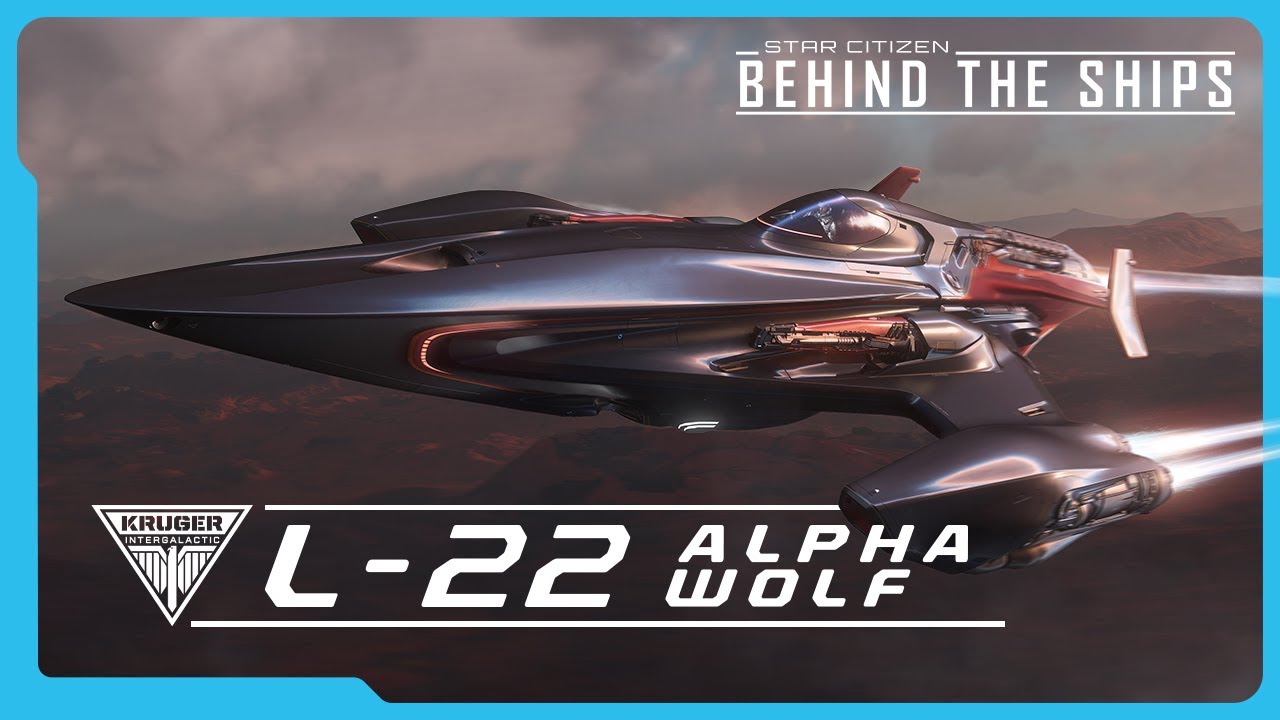
The Kruger L-22 Alpha Wolf is a sleek, agile single-seat light fighter featuring a redesigned rear fin inspired by WWII aircraft and upgraded energy weapons for sustained combat effectiveness. It offers customizable weapon kits and enhanced components, reflecting Kruger’s modular approach and promising a versatile, high-performance addition to their growing ship lineup.
The Kruger L-22 Alpha Wolf is a new variant of the original Wolf ship, developed in response to divided opinions on the design of the initial model, particularly its fin. The Alpha Wolf retains the core styling of the Wolf but introduces a sleeker, more aggressive look with significant changes to the rear wings, replacing the long sweeping wings with vertical side fins inspired by World War II aircraft. The fin on the Alpha Wolf is drastically reduced to provide a more streamlined silhouette while maintaining some visual continuity with the original design.
This single-seat light fighter is designed for highly maneuverable and agile combat, appealing to aggressive pilots who want to engage in fast-paced action. The Alpha Wolf swaps out the ballistic weapons of the original for energy weapons, specifically size four laser repeaters, which offer the advantage of unlimited firepower through recharging energy rather than limited ballistic ammo. This change allows pilots to stay in the fight longer, enhancing the ship’s combat effectiveness.
Visually, the Alpha Wolf features subtle geometry tweaks, including a sinister red light stripe on the canopy that evokes iconic sci-fi imagery, giving the ship a high-tech and somewhat alive appearance. The rear of the ship also showcases large power capacitors with bright orange cables connecting to the weapons, adding to the ship’s futuristic aesthetic. Additionally, the Alpha Wolf comes with upgraded components by default, including a slightly enhanced quantum drive for better performance.
Kruger’s approach to customization is highlighted by the introduction of weapon kits that allow pilots to swap between ballistic and energy weapons on both the original Wolf and the Alpha Wolf. This means players can mix and match visual styles and weapon loadouts according to their preferences, ensuring both new and existing Kruger ship owners have options to keep their ships updated and exciting. This modularity aligns with Kruger’s philosophy of encouraging upgrades within their ecosystem rather than looking elsewhere.
Finally, the development team expresses strong satisfaction with the L-22 Alpha Wolf, emphasizing its standalone appeal and powerful capabilities. They hint at more Kruger ships coming in the future, suggesting a growing lineup for fans of the brand. Overall, the Alpha Wolf offers a fresh take on the Wolf series, combining sleek design, enhanced maneuverability, and versatile weapon options to cater to a wide range of pilots.
salt-e-mike reacts:
The video highlights the Kruger L-22 Alpha Wolf’s impressive design, enhanced maneuverability, and laser-based combat capabilities, making it an appealing choice for aggressive pilots in Star Citizen. However, it criticizes the game’s monetization strategy, particularly the requirement to purchase essential weapon kits and upgrades with real money, arguing that this approach undermines gameplay balance and alienates the player community.
The video discusses the highly anticipated release of the Kruger L-22 Alpha Wolf, a laser-armed variant of the L-21 Wolf ship in Star Citizen. The presenter expresses excitement about the ship, especially its energy weapons, which are currently the meta in the game. The L-22 Alpha Wolf features significant design changes, including a reduced fin, new wing configurations inspired by World War II aircraft, and a sleek, aggressive look with a sinister red light stripe on the canopy. It offers improved maneuverability at the cost of a slight reduction in speed, making it an attractive option for aggressive pilots who want to engage quickly and effectively.
The ship comes equipped with size four laser repeaters that recharge ammo, allowing longer engagement times compared to ballistic weapons. It also includes upgraded components like a better quantum drive and size two missiles, enhancing its combat capabilities. The presenter compares the L-22’s weapons to other size four laser repeaters, noting that while they are not the absolute best, they offer a balanced and effective alternative. Additionally, the Alpha Wolf shares paint options with the base Wolf, and Kruger plans to introduce weapon kits that allow players to swap between ballistic and laser weapons, offering customization and flexibility.
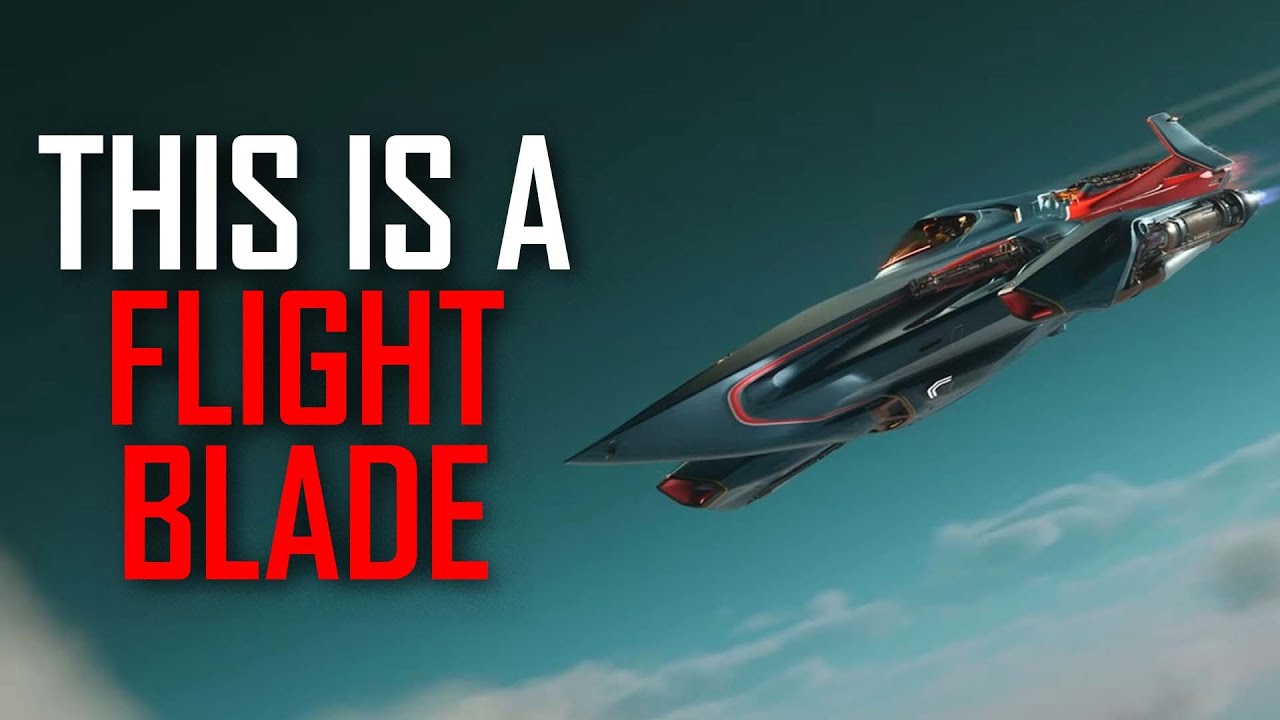
However, the video shifts to criticism regarding the monetization strategy surrounding the L-22 Alpha Wolf. The presenter highlights that the new weapon kits and upgraded components are only available for purchase through the pledge store, meaning players must spend real money to access them initially. This practice echoes previous controversies, such as the “Flight Blades” incident, where essential game components were monetized in a way that frustrated the community. The presenter argues that this approach prioritizes monetization over gameplay balance and player experience, creating a divide between paying and non-paying players and undermining the game’s integrity.
The discussion further critiques the company’s focus on marketing and monetization rather than developing the game itself. The presenter points out that while the company has made record profits, it continues to nickel-and-dime players by locking valuable in-game items behind real-money purchases. This strategy, they argue, detracts from the game’s potential and alienates the player base. The presenter calls for better monetization models that do not interfere with gameplay, such as subscription models or cosmetic-only purchases, and stresses the need for transparent and fair systems like in-game insurance to protect players’ investments.
In conclusion, while the L-22 Alpha Wolf is praised for its design, performance, and customization options, the video expresses strong concerns about the monetization practices tied to it. The presenter hopes for a shift towards more player-friendly monetization that supports both the game’s development and the community’s enjoyment. They emphasize the importance of balancing financial sustainability with delivering a quality gaming experience, warning that continued emphasis on monetization over gameplay could harm Star Citizen’s long-term success.