Star Citizen is introducing experimental support for advanced haptic feedback systems in its upcoming 4.8 patch, aiming to enhance immersion by allowing players to physically feel their ships’ movements and actions through devices like the ButtKicker and D-BOX motion systems. Benoit Beausejour and a team of passionate developers at CIG have integrated the D-BOX SDK to enable these haptic systems, which provide motion telemetry that translates in-game events such as engine rumble, directional hits, weapon recoil, and G-forces into physical feedback. This marks the first step in a broader initiative to make the cockpit experience more visceral and realistic, especially during flight and combat.
The integration focuses on replicating various ship sensations, including the subtle vibrations of smaller ships like the Pisces and the powerful rumbles of larger vessels such as the Hammerhead. Players will feel impacts from weapons and missiles, directional hits that differentiate between shielded and hull damage, and physical feedback from maneuvers like boosting, landing gear deployment, and decoupling. This tactile feedback aims to improve player awareness and immersion, potentially allowing pilots to react physically to their ship’s movements before visual cues register, addressing a common difficulty in understanding spatial movement in the game.
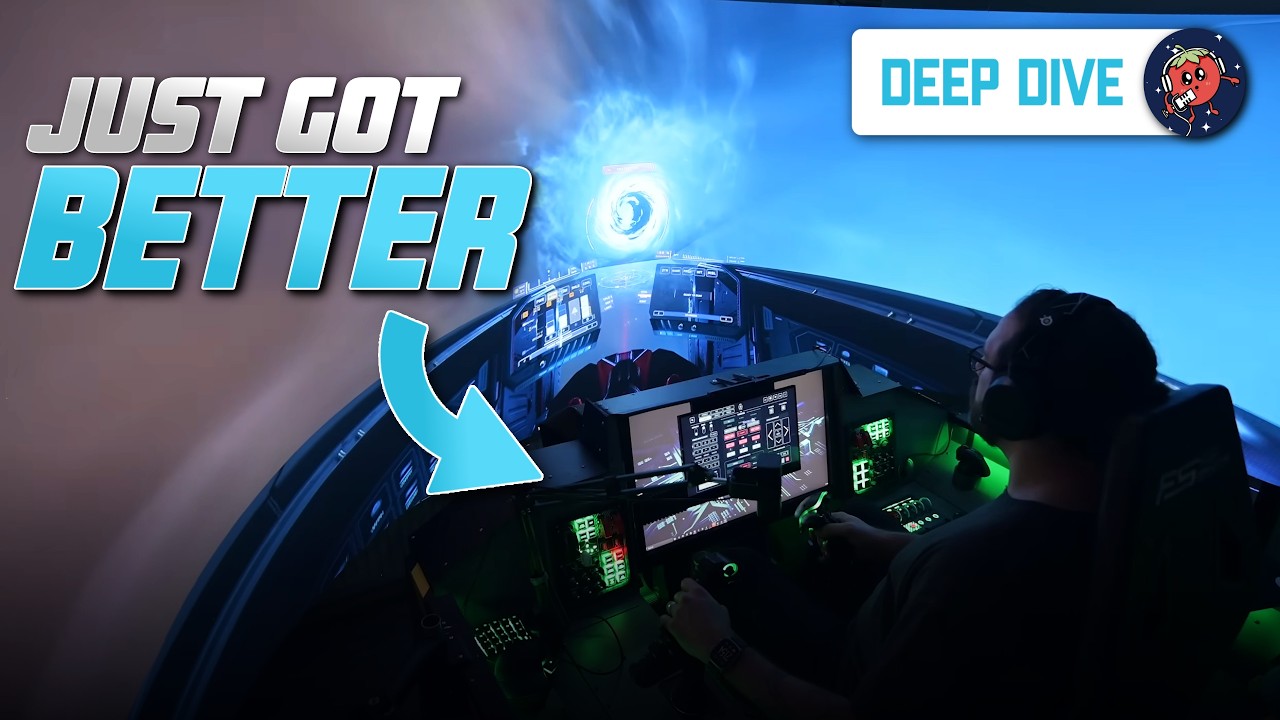
Alongside the technical details, the video highlights the vibrant community of sim pit builders who create custom cockpits and rigs to maximize immersion. These setups range from compact desk rigs to elaborate room-sized cockpits with curved or spherical displays, specialized controls, pedals, and integrated haptic devices. The cost of such equipment can be significant, with some rigs and motion platforms costing thousands of dollars, illustrating the dedication and investment of enthusiasts who seek to elevate their Star Citizen experience beyond traditional gameplay.
Looking ahead, the developers plan to expand haptic feedback beyond flight to cover FPS and EVA actions such as gunfire, grenades, footsteps, sprinting, and zero-gravity boosts. They are also exploring ways to use audio signals as data inputs to automate haptic responses to large sonic impacts, aiming for a seamless and comprehensive feedback system. This ongoing development underscores the team’s commitment to making Star Citizen not just a game but a cutting-edge immersive simulator that leverages hardware innovations to deepen player engagement.
Overall, this new haptic feedback integration represents a significant technological showcase for Star Citizen, blending game design with real-world simulation hardware. While currently experimental and niche due to the specialized equipment required, it exemplifies the game’s ambition to push the boundaries of immersion. The video creator expresses excitement about the potential for these advancements to transform gameplay, acknowledging the challenges of accessibility but hopeful that such innovations will become more widespread, enhancing the experience for pilots and sim enthusiasts alike.