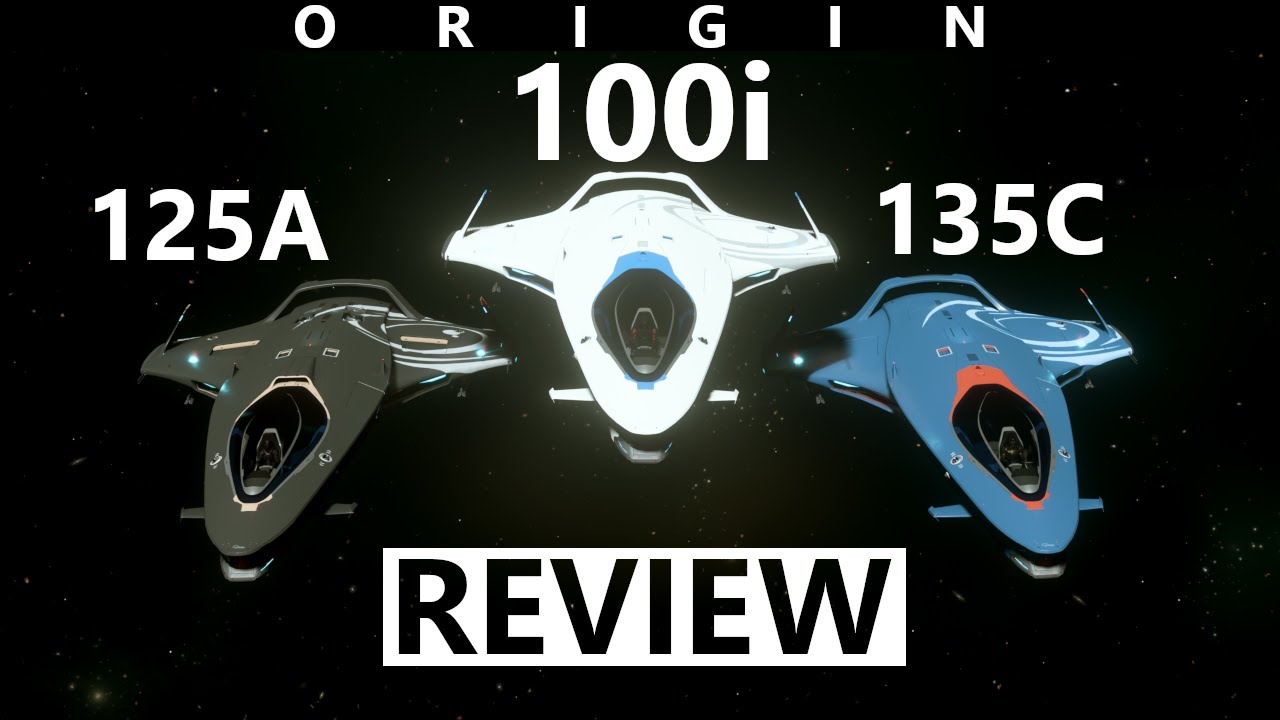
In this video, Even Lee presents a detailed review of three Origin series ships in Star Citizen: the 100i, 125A, and 135C. These ships are starter models with varying focuses on general use, combat, and cargo. Even thanks his Patreon supporters for enabling the review and encourages viewers to enter a giveaway featuring the L21 Wolf ship. He begins by introducing the base model, the Origin 100i, highlighting its price, claim time, armament, shield capacity, and speed. The 100i offers moderate firepower with two size three CF337 Panther guns and limited missile capacity, but its maneuverability is relatively poor compared to its siblings.
Moving on to the Origin 125A, Even points out that it shares many similarities with the 100i but improves on maneuverability and missile capacity, carrying six Strike Force 2 size two missiles. The 125A retains the same speed and health pool but boasts better pitch, yaw, and roll stats, making it the best choice among the trio for combat situations. Despite this, it remains fragile due to its limited shield and health, meaning pilots must be cautious in engagements. The interior of the 125A is almost identical to the 100i, with only subtle cosmetic differences and no significant functional upgrades.
The Origin 135C is the cargo variant of the series and is priced slightly higher. It maintains the same weapons as the 100i but features a stronger shield generator, offering better protection. Its main advantage lies in its cargo capacity, with 6 SCU available—significantly more than the 2 SCU found in the other two ships—thanks to an additional exterior cargo ramp. However, like the other models, the 135C has a modest speed and relatively low health, limiting its effectiveness in combat. The interior remains basic, lacking amenities like a bathroom or coffee maker, and shares the same general layout as the other Origin 100 series ships.
All three ships include an air adaptive intake refinery, allowing them to refuel hydrogen fuel while flying in atmosphere, which is a useful feature for extended travel. Even critiques the ships for their lack of interior functionality and comfort features, mentioning that they would benefit from a “gold standard pass” to improve usability. While the ships perform adequately as starter vessels, Even notes that they struggle to compete with other ships in the same price range, especially the more capable 300 series, which offer better speed, health, and overall versatility.
In conclusion, Even rates these Origin 100 series ships as decent starter options but not particularly outstanding in any specific role. He suggests a score in the 60s to 70s out of 100 for their performance as beginner ships but advises players seeking more specialized capabilities or better combat potential to consider other models like the 85X or the 300 series. Overall, these ships serve as functional entry points into the game but are limited in scope and effectiveness compared to higher-tier alternatives. Even wraps up by reminding viewers about the ongoing giveaway and thanking them for their support.