In devlog 47 for Seabbeams, Levelcap showcases significant progress on modular asteroid bases, enhanced weapon visual and audio effects, and a dynamic star map with immersive sound design, all developed using Unreal Engine 5 to optimize performance and gameplay experience. The update also highlights a new dynamic camera system for combat and ongoing improvements to create a rich, cohesive universe, inviting players to follow development on Discord and Steam.
In devlog number 47 for the spaceship action RPG Seabbeams, Levelcap shares exciting updates about the game’s development after over a year and a half of work with his team. A major focus has been on creating mini asteroid bases that serve as hubs for players to meet agents, accept missions, and repair their ships. These bases are designed with modular interiors featuring detailed floor plans and pipe networks inspired by an Akira anime style, enhancing the visual depth of the top-down gameplay. The team is also updating their large mega asteroid base, Rook Station, which will act as a bustling central hub with extensive services and commerce.
Levelcap discusses the technical workflow improvements made using Unreal Engine 5, particularly with packed level actors that optimize performance by converting meshes into hierarchical instance static meshes. This method streamlines level design and allows for efficient placement of assets like the newly finished loot stash and upgraded airlock models, which now include enhanced lighting and detail to improve immersion and consistency across ship designs. Small but thoughtful touches like these contribute to a cohesive and believable game universe.
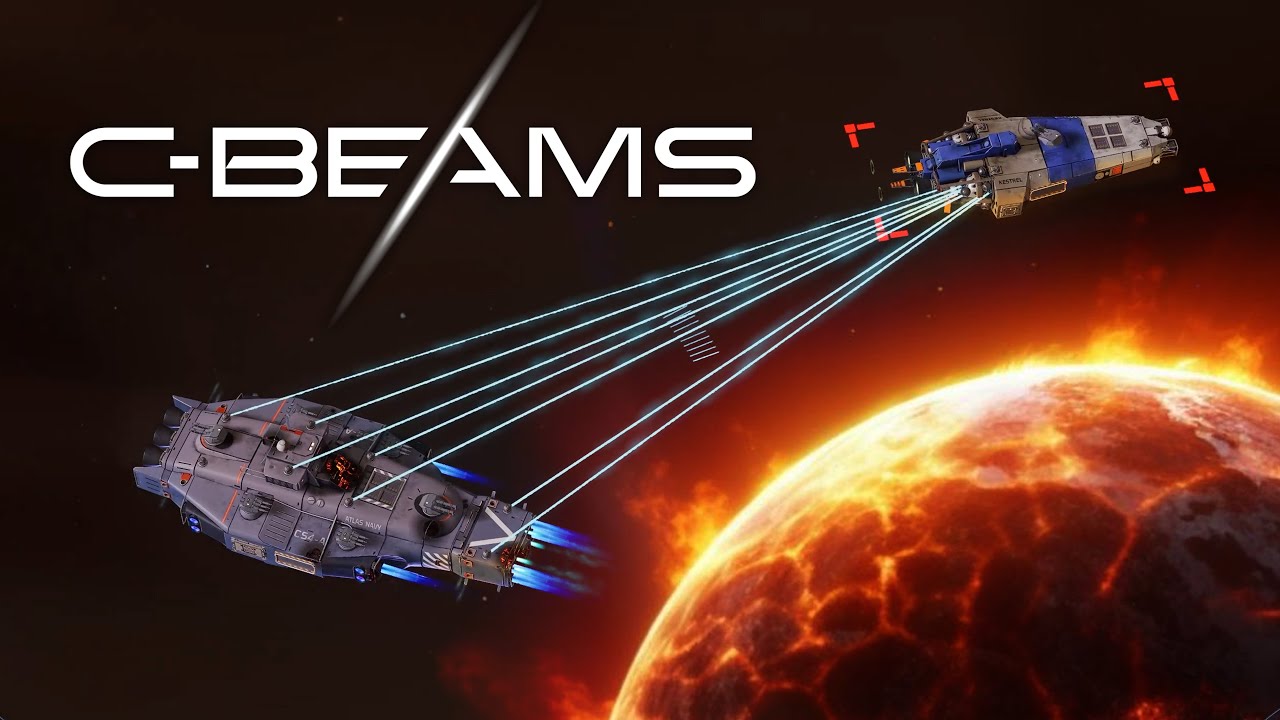
Significant progress has been made on weapon visual effects (VFX) and audio design. The inertial cannons now feature improved bullet trail smoke and distinct bullet visuals, while size one point defense lasers have received their first VFX pass, showcasing impressive beam effects complemented by dynamic sound design. The rail gun effects have been refined to appear powerful yet subtle, including new exit wound particle effects that add realism to combat. The audio system uses meta sound graphs to create varied and layered beam sounds, enhancing the overall sensory experience.
The sound design extends to the space stations, where ambient loops and randomized mechanical and voice-over sounds create unique audio signatures for each station. This system allows for scalable sound complexity that reflects the size and activity level of different stations, adding depth to the game world’s atmosphere. Additionally, the tech lead has been advancing the game’s data assignment system, enabling the first prototype of the star map. This map will let players navigate the universe and jump between systems, with dynamic music that changes based on the current location, featuring compositions by Peter Chambers.
Finally, the team is developing a dynamic camera system to better frame combat scenes by focusing on nearby enemy ships, optimizing screen space usage. Although still being refined, this system will eventually include screen shake effects to heighten immersion. Overall, the devlog highlights a period of rapid progress and world-building for Seabbeams, with multiple systems coming together to create a rich and engaging player experience. Levelcap encourages viewers to follow the development on Discord and Steam, promising more updates in future devlogs.