In this detailed reaction to the August Monthly Report for Star Citizen, SaltEMike dives into various development updates with a critical eye, particularly focusing on AI improvements, animation progress, and ship development. He highlights advancements in AI behavior, such as NPC weapon overheating mechanics and improved group coordination, which are likely tied to the tech preview content. He also notes ongoing work on new voice packs and environmental setups for AI populations, suggesting these will enhance landing zone immersion. However, he remains skeptical about how much of this content will be player-accessible soon, suspecting much is geared towards future showcases like CitizenCon rather than immediate gameplay.
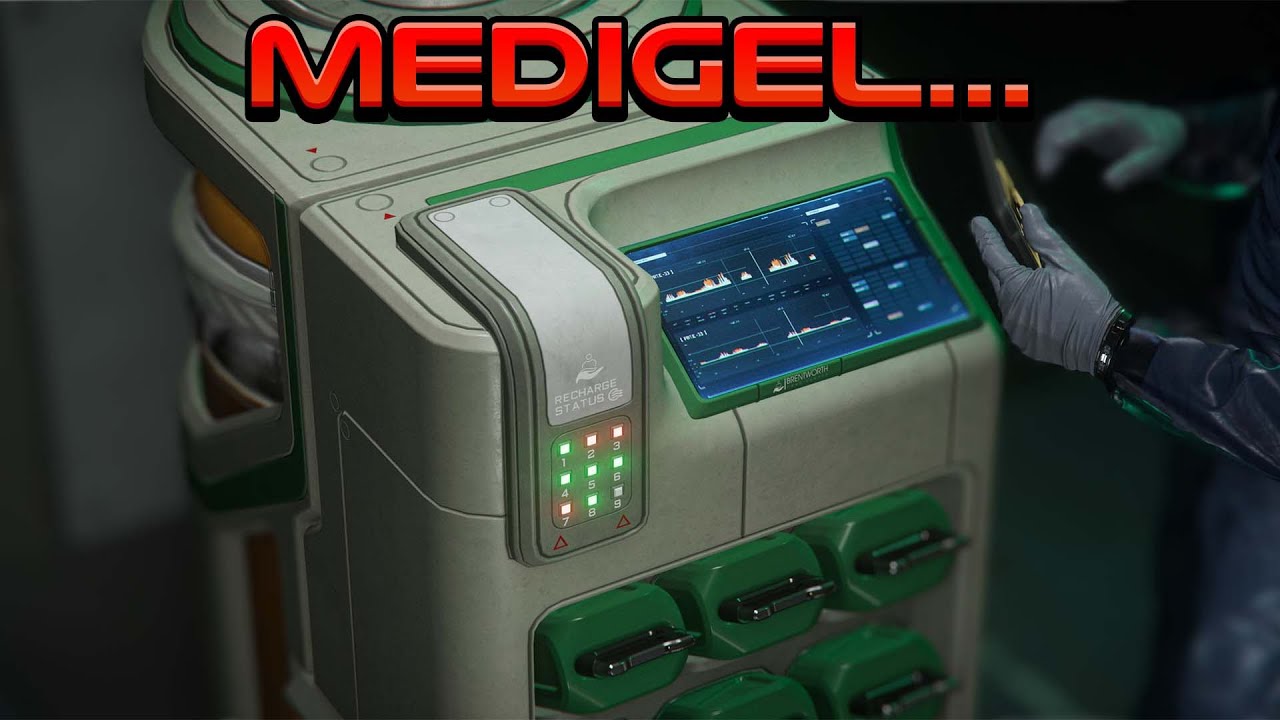
SaltEMike expresses particular interest in the animation team’s work, especially the introduction of a new creature and the med gel dispenser, which ties into upcoming medical gameplay features. The addition of new mission givers, including Amelia Boyd, signals a narrative shift back to the Pyro system after a focus on Stanton and the regen crisis storyline. On the ship front, he notes progress on several models including the Paladin, Wolf, Ironclad, and the RSI Aurora and Hammerhead, with some concern about potential changes to beloved features like the Aurora’s cockpit dashboard. The pre-production phase for the Miss Cole B and Drake Kraken also indicates ongoing expansion of ship variety.
A significant portion of SaltEMike’s critique centers on the economy and crafting systems. He is deeply concerned about the decision to disable components on claimed ships and the introduction of timers that will “brick” items, which he sees as detrimental to meaningful salvage and player-driven economy. He argues that this approach undermines the potential for crafting to be a player-impactful activity, as it discourages looting and salvaging player gear, effectively pushing players towards NPC transactions. He advocates for a system where players can recover and trade components more freely, fostering a vibrant player-driven market rather than one dominated by NPC interactions.
Regarding gameplay mechanics, SaltEMike notes improvements in atmospheric flight controls, IFCS updates to handle ship damage realistically, and quantum travel bug fixes, including better quantum interdiction markers. He also mentions progress towards feature parity in transport systems and inventory rework, including proximity looting. While these technical enhancements are positive, he feels they are largely incremental and not yet transformative for the player experience. The mission system is being refined to ease current frustrations, with older missions being reintroduced to expand available content, although details remain vague.
Overall, SaltEMike’s takeaway is a mix of cautious optimism and growing frustration. While he appreciates the visible progress in AI, animation, ships, and core gameplay systems, he is increasingly disheartened by the direction of crafting and economy design, fearing it will stifle player agency and the emergent gameplay that many fans desire. He suspects much of the reported work is aimed at showcasing at CitizenCon rather than delivering immediate improvements. His critique underscores a tension between the developers’ vision and the expectations of players who want a more dynamic, player-driven universe.