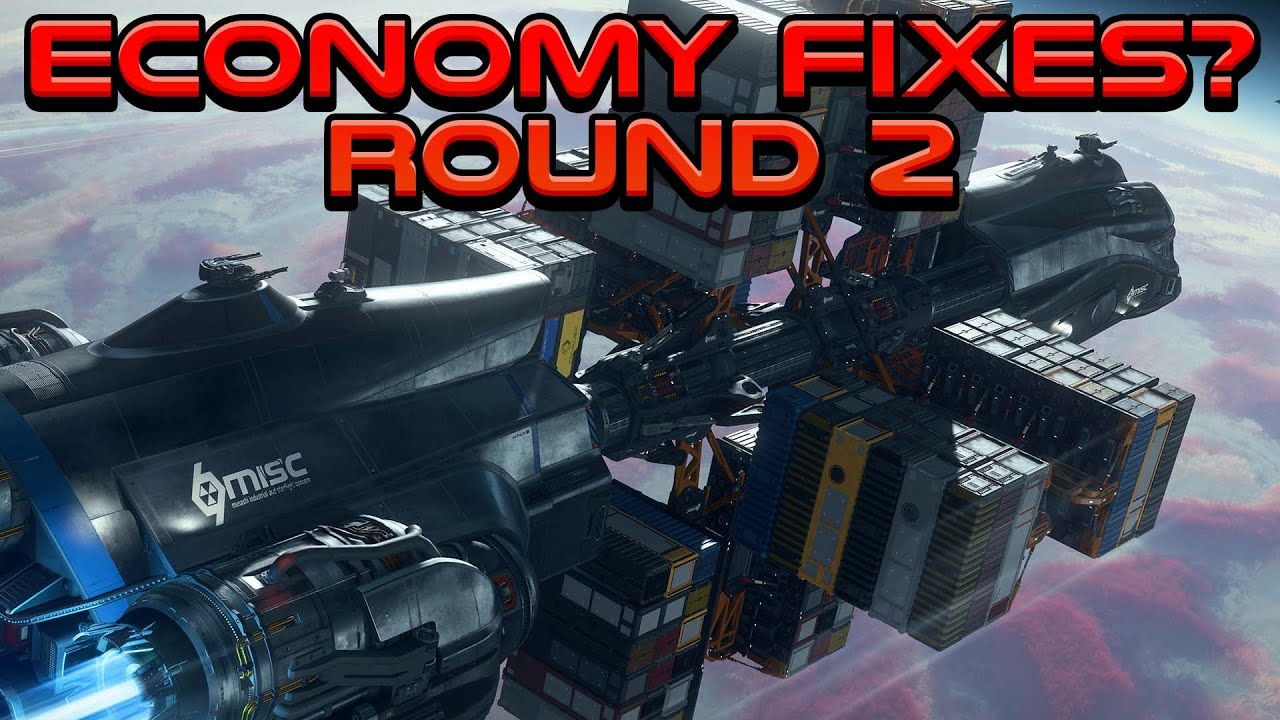
SaltEMike critiques Star Citizen’s current cargo hauling and economy systems for being overly controlled by NPCs and developers, lacking meaningful player-driven dynamics, risk, and differentiation in cargo types, which limits engagement and emergent gameplay. He advocates for a more decentralized, player-influenced economy with crafting, dynamic supply and demand, and genuine risk-reward mechanics to create a vibrant, sandbox-style trading experience akin to games like Eve Online.
In this video, SaltEMike discusses recent updates and ongoing challenges related to the cargo hauling and economy systems in Star Citizen. He highlights clarifications from the engineering economy team, emphasizing that bigger ships are not punished but are designed to make progressively more profit as they scale up in cargo capacity. However, he expresses frustration with the current system’s lack of nuance and the absence of meaningful differentiation between cargo types and ship capabilities, contrasting it with games like Eve Online, which offer diverse cargo hold types and a more dynamic, player-driven market.
SaltEMike critiques the current economy as overly controlled by NPCs and developers, resulting in a single-player style economy that lacks the emergent, player-driven dynamics that would make hauling and trading genuinely engaging. He references the popular “Jumptown” event as an example of emergent gameplay that created real risk and reward, something missing in the current system. The lack of intrinsic value in commodities and the inability for players to meaningfully impact the economy or lose valuable items dampens the potential for piracy and dynamic trade interactions.
The video also delves into the problems with the current cargo system’s physicalization, which leads to exploitative behaviors like stockpiling commodities at zero cost and waiting to move them only when safe. SaltEMike argues that the game’s economy would benefit greatly from crafting and player-driven supply and demand, allowing for more organic market fluctuations and player interaction. He stresses that the current system’s rigid supply limits and developer-set prices feel artificial and limit player agency.
SaltEMike compares Star Citizen’s economy unfavorably to Eve Online’s, noting Eve’s player-driven market with collateral-based hauling contracts and dynamic resource balancing, such as the introduction of prismatic ore to stabilize prices. He believes Star Citizen’s developers are constrained by legacy systems and are making the best of a difficult situation, but he hopes for a future where the economy is more decentralized, responsive, and player-influenced, reducing the need for constant developer micromanagement.
In conclusion, SaltEMike expresses concern that if the current NPC-controlled, spreadsheet-driven economy persists, it will lead to a boring and unengaging experience that could push players away. He advocates for a system where players have meaningful stakes in the economy, including risk and reward, and where crafting and player interactions drive market dynamics. While acknowledging the complexity and challenges, he remains hopeful that future updates will bring a more vibrant, sandbox-style economy to Star Citizen.