In this episode of “Level With Me,” the hosts discuss recent layoffs at Battlefield Studios, highlighting the industry’s cyclical nature where studios often downsize after major game launches due to financial pressures. They compare this to the film industry’s project-based work, noting the challenges studios face in retaining veteran talent during transitions between game phases like pre-production and post-launch. The conversation touches on the conflicting messages from Battlefield Studios about resource allocation for post-launch content, emphasizing the importance of balancing business decisions with talent retention.
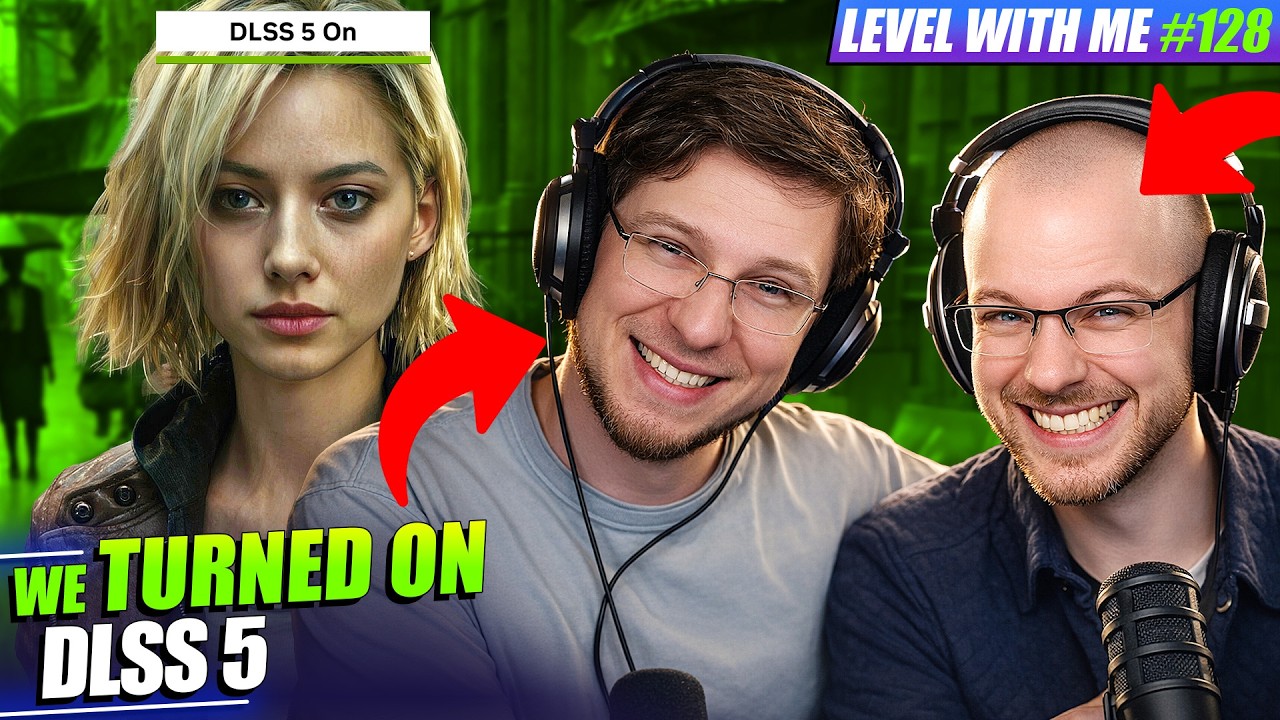
The discussion then shifts to Nvidia’s latest technology reveal at GTC, focusing on DLSS 5. This new AI-driven lighting and upscaling technology has sparked mixed reactions, with some praising its technical achievements while others criticize its impact on artistic control and the uncanny AI-generated character appearances. The hosts speculate that Nvidia will likely refine the technology further to give developers more control over its implementation. They also mention DLSS 4.5, which offers impressive upscaling from 720p to 4K, and other AI-assisted game features showcased at GDC, including AI-driven in-game tutorials and NPC teammates, highlighting the growing integration of AI in gaming.
They share their experiences with recent games, notably the extraction shooter Marathon, praising its intense PvP gameplay, map design, and responsive developer updates. The hosts contrast Marathon’s solo stealth mechanics with its chaotic trio mode, appreciating the game’s audio design and evolving balance. They also discuss the challenges and potential of live service games, noting the saturation of the market and the difficulty mid-tier titles face in standing out, citing Highguard’s shutdown as an example of the harsh realities in this space.
The podcast covers a variety of upcoming and recent game releases, including zombie-themed titles like Toxic Commando and Nan: The Last Paradise, highlighting their gameplay mechanics, aesthetics, and progression systems. They also touch on games like Arc Raiders, which recently replaced AI voice lines with real actors, and Subnautica 2’s ongoing development challenges, including legal disputes over massive bonuses. The hosts express hope that despite industry turmoil, innovative and well-crafted games will continue to emerge.
Finally, they reflect on industry trends and challenges, such as Blizzard’s struggles exemplified by Jeff Kaplan’s candid podcast about corporate pressures and Overwatch 2’s controversial development decisions. They discuss the importance of meaningful content updates in maintaining player engagement, using Battlefield and Space Marine 2 as examples. The episode closes with personal gaming anecdotes and advice, emphasizing the unique intensity of melee combat in games like Marathon, and encouraging listeners to appreciate both technological advancements and the human aspects of game development.