The video critiques Nvidia’s new DLSS 5 technology for using AI-driven filters that, while technically impressive, often distort and degrade the original artistic visuals of games by creating unnatural and unsettling character models. The presenter argues that this approach prioritizes AI spectacle over genuine graphical enhancement and calls on Nvidia to focus on preserving the authentic aesthetic vision of game developers.
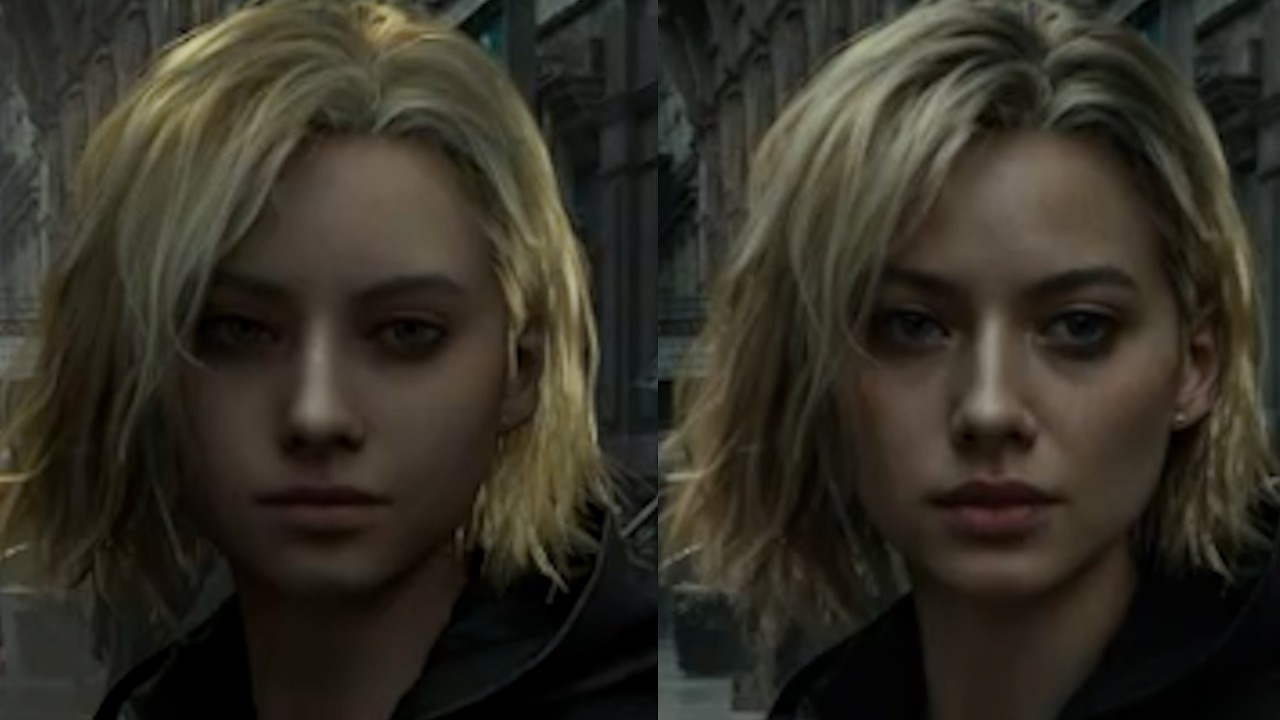
The video discusses Nvidia’s new DLSS 5 technology, which represents a significant shift in real-time video game graphics enhancement by applying AI-driven filters to game visuals. While Nvidia markets this as a breakthrough akin to ray tracing, the presenter expresses strong reservations about its impact on the visual fidelity and artistic intent of games. DLSS 5 uses AI to upscale and alter game graphics in real-time, creating a more “realistic” look by applying AI-generated facial features and lighting effects that often resemble social media filters like Snapchat. However, this results in a jarring and sometimes unsettling change, especially in character models, where the AI-generated faces look unnatural and lose the original art style.
The presenter highlights examples from various games including Resident Evil Requiem, Starfield, Hogwarts Legacy, and Oblivion Remastered, showing side-by-side comparisons of the original graphics versus the DLSS 5-enhanced versions. While environments and backgrounds sometimes gain a more realistic overcast lighting effect, character models frequently suffer from uncanny and distorted facial animations, such as creepy blinking or inconsistent eye movements. This AI “hallucination” effect detracts from the intended visual experience and often makes characters look worse rather than better, undermining the artistry of the original game designs.
Despite the technical achievement of running these AI filters in real-time at high resolutions and frame rates, the presenter questions the value of this approach. They argue that the technology is a misuse of hardware resources, shifting focus away from true optimization and artistic rendering toward an AI-generated aesthetic that is not universally appealing. The toggle feature allows players to turn DLSS 5 on or off, but the presenter suggests many will prefer older DLSS versions that enhance sharpness without drastically altering the game’s look. The underlying concern is that Nvidia is prioritizing AI spectacle over preserving the vision of game developers and artists.
The video also touches on Nvidia’s broader corporate trajectory, noting the company’s increasing focus on artificial intelligence beyond gaming, including partnerships in surveillance and other sectors. This shift is reflected in how Nvidia promotes DLSS 5 as a showcase of its AI capabilities rather than purely as a gaming enhancement. The presenter expresses unease about this direction, emphasizing that video games are a unique art form where human creativity should remain paramount. They caution that relying heavily on AI filters risks undermining the authenticity and artistic integrity of game visuals.
In conclusion, while Nvidia’s DLSS 5 technology is impressive from a technical standpoint, the presenter’s overall assessment is highly critical. They find the AI-driven changes to character faces and lighting to be more disturbing than beneficial, often resulting in visuals that look worse than the original game art. The technology may appeal to some for its novelty, but for many gamers and artists, it represents a step backward in preserving the intended aesthetics of video games. The video ends with a call for Nvidia to reconsider this approach and focus more on genuine graphical improvements that respect the artistry of game developers.