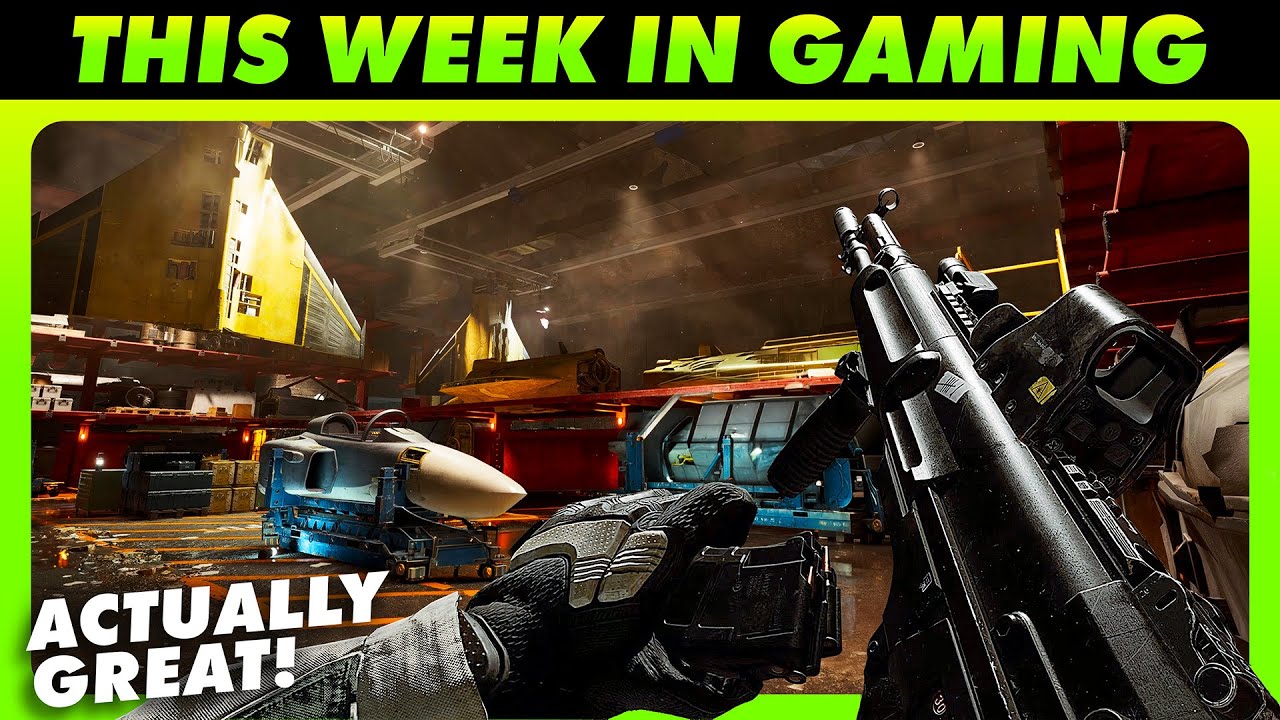
This week in gaming saw a mix of excitement and controversy across several major titles and industry developments. Battlefield 6 released its mid-season update featuring a new, expansive map called Hell Base, which blends classic intense combat with tactical, open-ended gameplay. Despite positive reception for the map and new weapons, player numbers on Steam remained stagnant, with many players frustrated by the slow pace of content delivery. Some balance changes, like disabling rocket fire from scout helicopters, sparked debate among fans who miss the traditional sandbox chaos of Battlefield gameplay.
Nvidia unveiled DLSS 5, a highly advanced AI-driven technology aimed at enhancing game visuals by applying high-resolution textures and improved ray-tracing effects. However, the reveal sparked significant backlash due to concerns over the technology’s heavy-handed visual changes, such as “beautifying” characters in ways reminiscent of social media filters. Nvidia CEO Jensen Huang defended DLSS 5, emphasizing developer control and optional use, but the gaming community remains divided on whether this represents a positive step forward or an unwanted aesthetic manipulation.
In other news, Arc Raiders responded to criticism by replacing AI-generated voice acting with recordings from professional human actors, addressing concerns about quality and thematic consistency. Meanwhile, an indie developer known as Cakes celebrated a major financial milestone when his tower defense game Tangy TD earned $250,000 in its first week, highlighting the potential for solo creators to find success. Early reviews for Crimson Desert were mixed, praising the scale but criticizing shallow world design and poor controls, with additional controversy arising from the game’s lack of support for Intel Arc GPUs.
Significant industry shakeups included Ubisoft laying off 105 developers and downsizing Red Storm Entertainment, the studio behind Rainbow Six and Ghost Recon, following the cancellation of The Division Heartland. Marathon launched a new high-level PvP map, Cryo Archive, with unique alien enemies, while Bungie reverted a contentious audio change after player feedback. Subnautica 2’s early access release was delayed amid legal battles between the publisher Krafton and the original developers, who have now been reinstated by court order.
Finally, Meta announced the shutdown of its ambitious but ultimately failed metaverse platform, marking one of the largest financial losses in tech history after nearly $100 billion in investment. On a more positive note, Bethesda plans major updates for Starfield to improve space travel immersion with a free-flight system launching in April. Additionally, PlayStation 5 players received refunds for the canceled mobile FPS Highguard, which shut down shortly after release. Overall, this week highlighted both innovation and challenges across the gaming landscape.