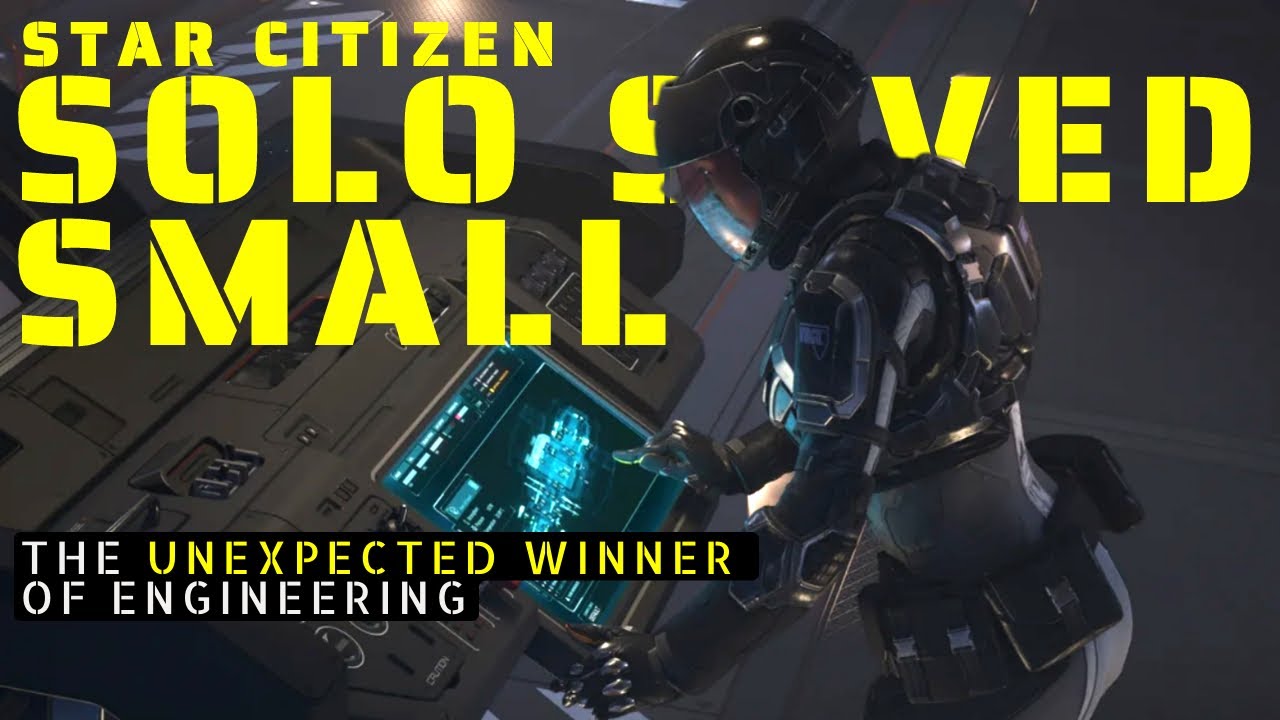
The release of Star Citizen’s alpha 4.5 introduced a complex engineering gameplay system that has ignited heated debates within the community. Many players claim this update has effectively killed solo play, while others argue that it simply demands players find a crew to manage the increased complexity. However, the real issue lies deeper: engineering has fundamentally changed how ships operate, adding layers of power management, component health, thermal regulation, and fire propagation that transform ships from simple hit-point-based vehicles into intricate machines with independent systems that can fail or catch fire, drastically affecting gameplay.
Contrary to popular belief, engineering hasn’t made solo play impossible but has instead exposed which ships were never meant to be flown solo. Single-seat fighters like the Arrow, Gladius, and Hornet have built-in automated repair functions that allow solo pilots to manage damage and continue fighting, making these ships more skill-demanding but not harder. On the other hand, capital ships like the Idris or Polaris require multiple crew members to operate effectively, and solo attempts to pilot them often end in failure. This revelation confirms that large ships were always designed with crew dependency in mind, a fact that engineering gameplay has made undeniable.
The update also highlights the importance of ship design philosophy and age. Newer ships like the Drake Clipper, designed with engineering in mind, offer accessible engineering stations and automated systems that make solo play feasible and enjoyable. In contrast, older ships like the Constellation or Retaliator, designed years ago under different assumptions, require multi-crew operation and become cumbersome or frustrating when flown solo under the new system. This has led many players to reconsider their fleet compositions, favoring ships built for the current game’s complexity rather than legacy vessels.
For solo players, the key takeaway is to rethink fleet choices and mission types. Ships such as the Corsair or smaller combat and industrial vessels benefit from engineering without overwhelming solo pilots. Beginners are advised to start with simple starter ships like the Aurora or Mustang to learn the new systems before moving on to more complex vessels. Additionally, players should practice power management and carry spare components to handle damage effectively. Avoiding high-risk missions in multi-crew ships and focusing on controllable engagements can also improve solo play experiences.
Ultimately, engineering gameplay is not killing solo play but redefining it, clarifying which ships and play styles remain viable for solo pilots and which require a crew. While the community remains divided, with some praising the added depth and others frustrated by the increased complexity, player activity remains high, indicating ongoing engagement. The update challenges players to adapt, learn, and choose their ships and missions wisely to thrive in Star Citizen’s evolving universe.