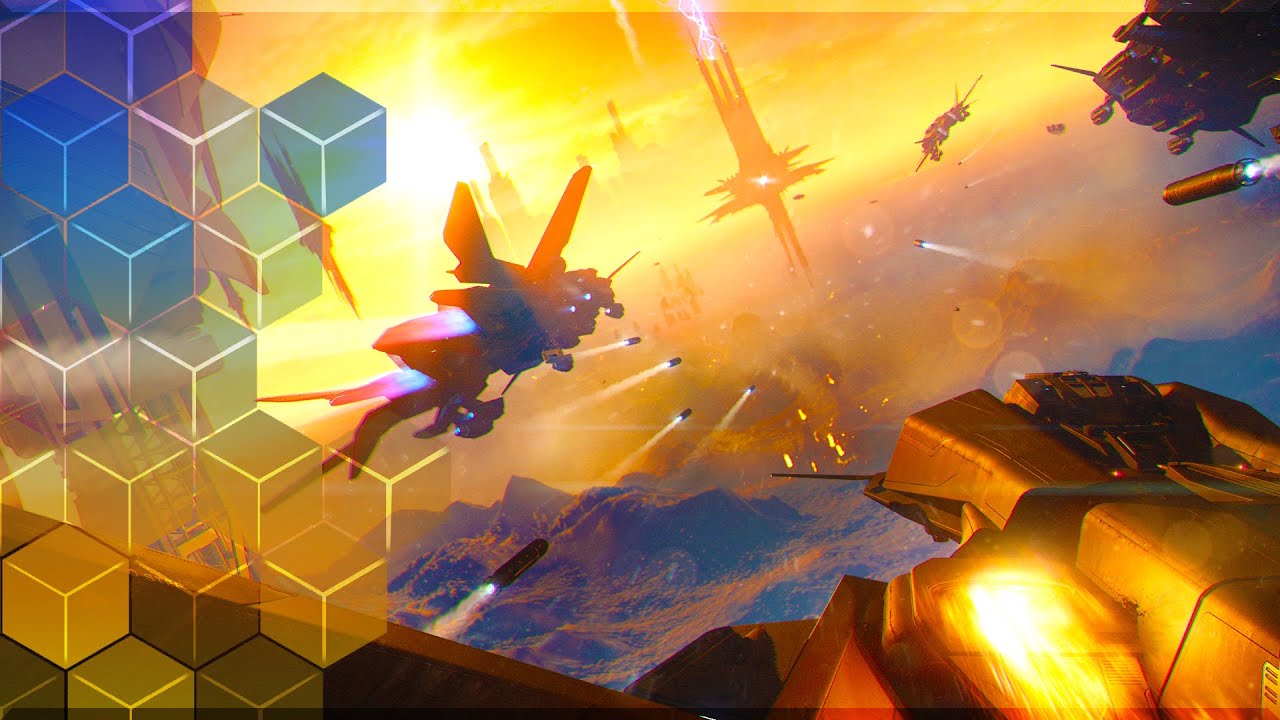
In this video, the hosts discuss the introduction of modules and microtransactions in Star Citizen, specifically focusing on how it will impact gameplay and pricing. They speculate on potential price increases for ship components and weapons, express concerns about pay-to-win scenarios, and emphasize the importance of scaling ship components with size.
In this video, the hosts discuss the concept of modularity and microtransactions in the game Star Citizen. They explore how the introduction of modules will not only change the gameplay, but also affect sales and pricing in the game. They use the example of the Retaliator ship and its modules to illustrate their points. They speculate on the potential increase in prices for ship components and weapons, based on the scaling of ship prices mentioned by Chris Roberts, the game’s creator. They also discuss the potential for modules to be sold as accessories or microtransactions, similar to the aftermarket purchases for the 300 series ships.
The hosts analyze the Idris K aftermarket kit as an example, which includes weapons and components. They consider the possibility of the prices of these items increasing significantly, especially for larger ship sizes. They mention the potential for the prices of ships and their components to increase fourfold or even tenfold, as indicated by previous statements from Chris Roberts. They also discuss the concern of the marketing team influencing the game’s design and potentially leading to pay-to-win scenarios. They express their hope that the game remains focused on delivering a high-quality experience rather than prioritizing financial gains.
The hosts emphasize the importance of scaling ship components and weapons with the size of the ship. They suggest that players should consider buying larger ships and earning smaller components in-game, as the value of larger ships and their modules is expected to increase significantly. They mention the Privateer kit for the Kraken and modules for the Endeavor as potential items to watch for in terms of price increases. However, they also note that most modules, especially those priced around $30, are likely to be obtainable through in-game progression. They encourage players to share their thoughts on these topics and express their hopes for the game’s future.
In conclusion, the hosts discuss the potential impact of modularity and microtransactions on the game. They highlight the need for careful consideration of pricing and the balance between convenience and fairness for players. They anticipate changes in gameplay dynamics, such as longer fights and increased importance of ship engineering. The hosts express their overall satisfaction with the game’s progress and hope that it continues to prioritize player experience over financial gains. They encourage viewers to engage in the conversation and stay updated on future developments.